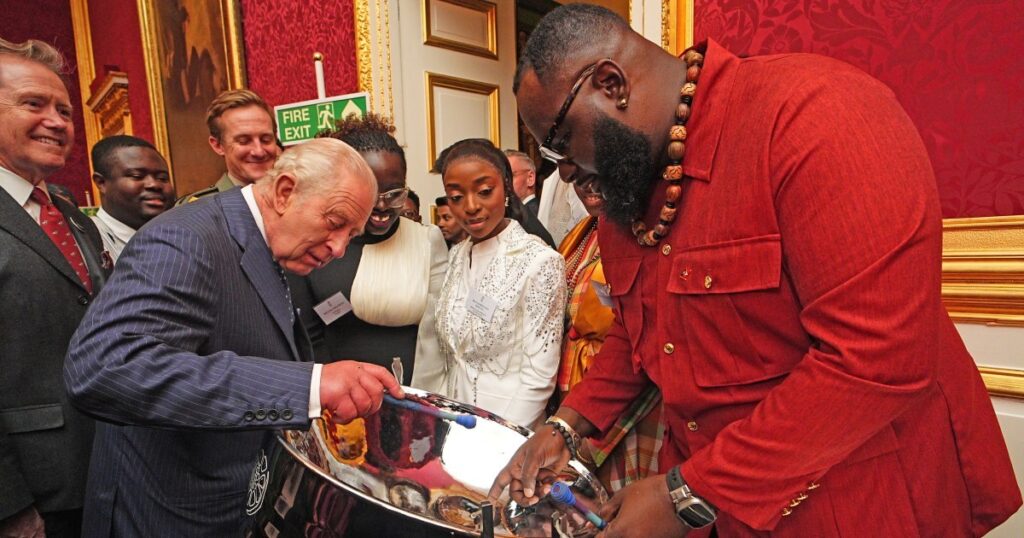
The United Kingdom’s King Charles III has embarked on a significant nine-day tour across the Caribbean, a region with deep historical ties to British colonialism and the transatlantic slave trade. This visit comes at a time when the legacy of the British monarchy and its colonial past faces increasing scrutiny, alongside growing demands for reparations for slavery from Caribbean nations.
King Charles’s tour includes stops in several Caribbean countries, including Jamaica, the Bahamas, Belize, and Antigua and Barbuda. These nations were once British colonies and have vibrant cultures shaped by centuries of colonial history, including the impact of slavery.
The issue of slavery reparations has gained momentum in recent years, with Caribbean leaders and activists calling on the British government and the monarchy to acknowledge and compensate for the harms caused by slavery. This push has intensified following global movements for racial justice and historical reckoning.
During the tour, King Charles is expected to engage in a range of diplomatic activities, from ceremonial events to discussions with local leaders. While the primary focus is on strengthening diplomatic and cultural ties, the question of addressing historical injustices looms large.
Caribbean nations have formally requested reparations for slavery and the enduring socio-economic impacts it has caused. These demands often include formal apologies, developmental aid, debt relief, and financial compensation for descendants of enslaved people.
Historically, the British monarchy has maintained a cautious stance on reparations, emphasizing a forward-looking approach to relations and development partnerships. However, activists and politicians argue that genuine reconciliation requires confronting the past and making concrete commitments.
King Charles, who has expressed interest in supporting sustainable development and addressing social inequalities, faces a delicate balancing act. His visit is closely watched for signs of acknowledgment or willingness to engage in reparatory dialogue.
Public opinion in both the UK and the Caribbean varies, with some seeing reparations as a moral imperative and others concerned about the practical implications and political ramifications.
The tour also highlights ongoing debates about the relevance of the monarchy in post-colonial societies and questions about the future of these nations’ ties to Britain.
As King Charles’s Caribbean tour continues, observers keenly await whether discussions around slavery reparations will be prominently addressed or remain a background issue. The visit symbolizes a moment for reflection on shared history and the evolving relationship between the UK and its former colonies.
Ultimately, King Charles’s tour is more than a diplomatic gesture; it is a pivotal occasion that could influence the discourse on historical justice and the future role of the monarchy in a changing global context.