As the Israeli and US elections approach, tensions in the Middle East, particularly between Iran and its adversaries, are escalating. Both the United States and Israel have signaled the potential for renewed military strikes, focusing heavily on targeting Iranian civilian infrastructure. This development has led to heightened alertness among Iranians, who are bracing themselves for possible attacks.
The timing of the threatened strikes appears closely linked to the electoral cycles in Israel and the United States. Political leaders in both countries seem to be leveraging strategic military actions as part of broader geopolitical maneuvers, possibly to influence voter perceptions or regional stability narratives.
Iran, already subject to various international sanctions and diplomatic pressures, faces a compounded threat with the prospect of direct military actions. The focus on civilian infrastructure signals a potentially severe impact on daily life, potentially affecting water supplies, power grids, and transportation networks in Iran. Such strikes could cripple essential services, intensify humanitarian concerns, and destabilize the region further.
Experts warn that these developments could trigger a dangerous cycle of retaliation and escalation, impacting not only Iran but also neighboring countries and global allies. The anticipation of attacks amid election cycles highlights how international conflicts can intertwine with domestic political agendas, raising questions about the prioritization of national security and civilian safety.
International observers are calling for de-escalation and caution, emphasizing diplomatic channels over military interventions. They stress the importance of dialogue to avoid catastrophic consequences that would go beyond immediate political gains. The global community watches closely, aware that the unfolding situation could reshape geopolitical alliances and influence future election outcomes in the region.
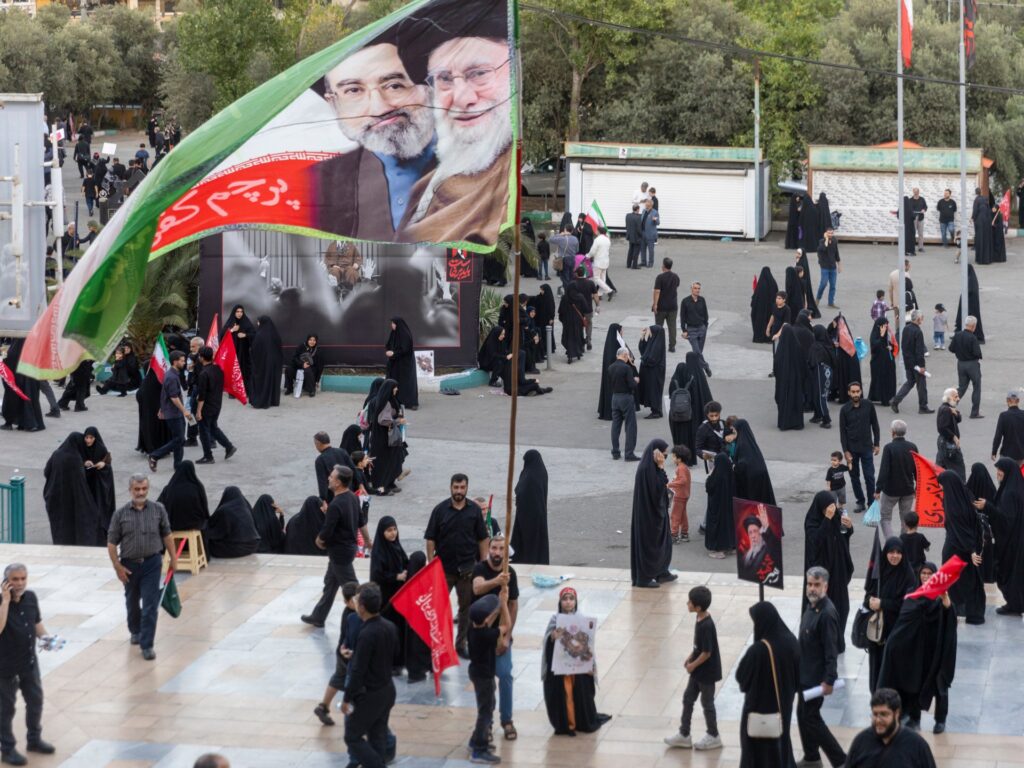
Meanwhile, Iranian authorities have been preparing defensive measures and public awareness campaigns to mitigate the impact and maintain order if attacks occur. Civilian populations are urged to remain vigilant and comply with safety protocols as tensions remain high.
In summary, the intersection of electoral politics in Israel and the US with military strategy against Iran’s civilian infrastructure underscores a volatile period ahead. The threat of attacks during election seasons puts immense pressure on Iran to navigate complex geopolitical challenges while safeguarding its populace from potential harm.