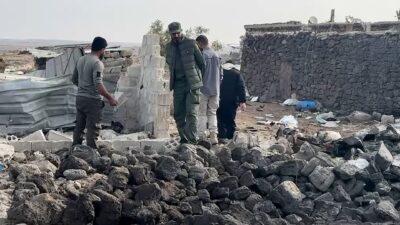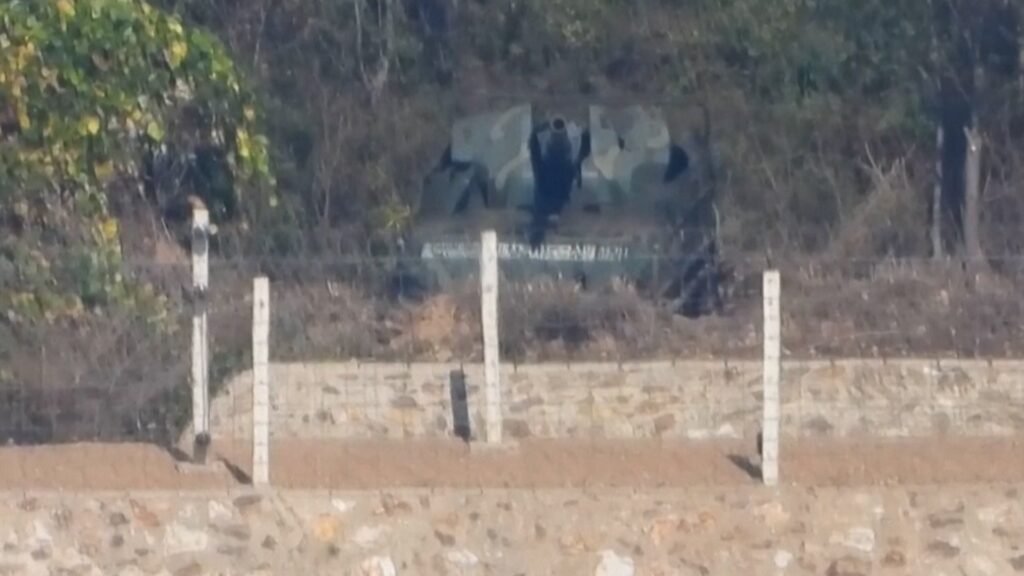
In a recent development that has escalated tensions on the Korean Peninsula, North Korean howitzer guns have been spotted close to the border with South Korea. This military movement comes in the wake of a mine blast in September that wounded three South Korean soldiers, raising concerns about the stability and security of the region.
The presence of North Korean artillery near the Demilitarized Zone (DMZ) is a significant indicator of heightened military alertness and potential preparedness for conflict. Howitzers, known for their long-range artillery capabilities, could represent a strategic positioning by North Korea to assert its military strength or to respond to perceived threats.
South Korean defense officials are closely monitoring the situation, with intelligence agencies keeping a vigilant watch on North Korea’s activities near the border. This deployment has triggered a series of reactions within South Korea, including heightened military readiness and calls for international attention to the precarious security environment.
This incident follows a tense period marked by the September mine blast, which injured three South Korean soldiers, amplifying the sense of vulnerability and sparking concerns over possible escalations. The South Korean government has condemned such acts and urged for measures to prevent further provocations.
International observers and regional powers have also been drawn into the unfolding situation. The United States, a key ally of South Korea, has expressed concern over the increased militarization near the border and reiterated its commitment to regional stability and the defense of South Korea.
Analysts suggest that this development could be part of North Korea’s broader strategy to leverage its military capabilities for diplomatic bargaining or to signal its discontent with current geopolitical dynamics. The deployment of heavy artillery close to the border serves as a stark reminder of the ongoing conflict legacy and the fragile peace that prevails in the region.
Efforts to de-escalate tensions remain crucial. Diplomatic channels involving South Korea, North Korea, and international stakeholders aim to prevent further military provocations and to seek peaceful solutions through dialogue and negotiation.
The North Korean howitzer sightings underscore the volatility of the Korean Peninsula and the urgent need for continued vigilance, preparedness, and diplomatic engagement to maintain peace and security in this divided region. The coming weeks will be critical in determining whether these heightened military postures lead to confrontation or if they can be resolved through measured diplomatic efforts.