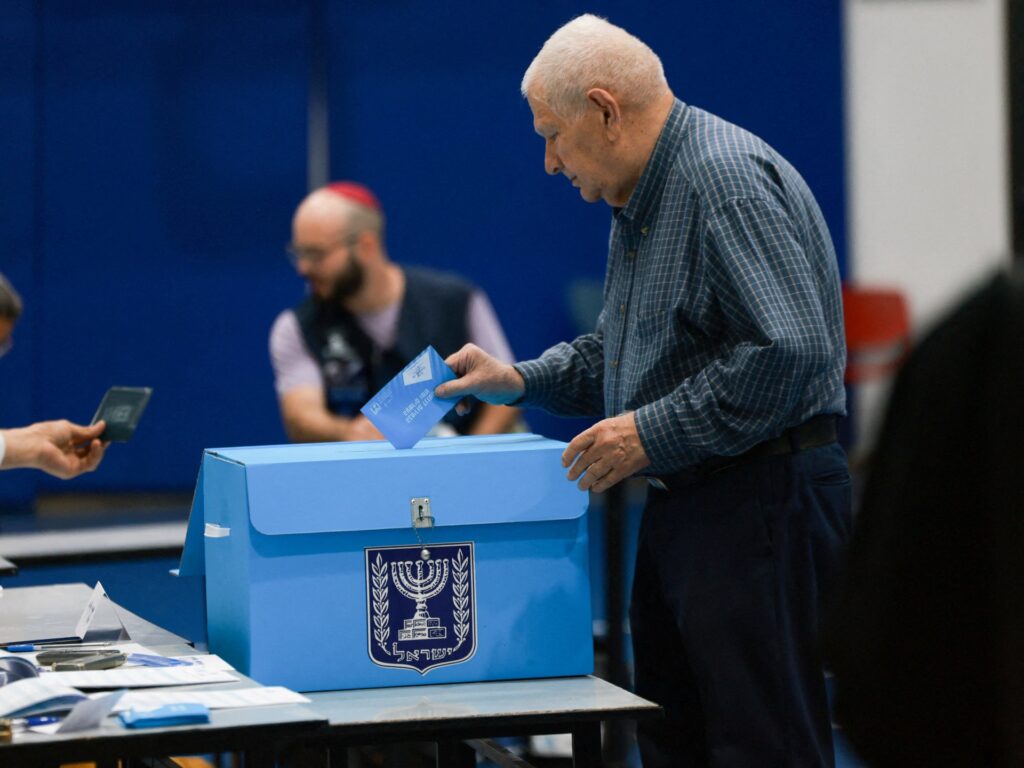
Israel’s 2026 general election has officially commenced with millions of citizens heading to the polls in what many experts are calling the most consequential election in the nation’s history. As the sun rose, polling stations across the country opened early, signaling the start of a tense and pivotal day that could reshape the political landscape of Israel for years to come.
Prime Minister Benjamin Netanyahu, a towering figure in Israeli politics, is at the center of this historic vote, facing a challenging test that could determine his political future and the direction of the country. His leadership and policies have polarized public opinion, igniting fervent debates among voters and pundits alike.
The 2026 election comes at a time of heightened domestic and international challenges, including ongoing security concerns, economic pressures, and social divisions. With a crowded field of parties vying for power, the results are expected to have a profound impact on Israel’s policy priorities, coalition-building, and regional relations.
Netanyahu, who has served multiple terms as Prime Minister, has crafted a campaign focused on security, economic resilience, and combating what he describes as threats from hostile neighbors. However, his tenure has also been marked by controversies and legal battles, which his opponents argue undermine his credibility.
Opposition parties have mobilized vigorously, aiming to unseat Netanyahu by appealing to voters tired of his longstanding rule and eager for political change. They emphasize social justice, transparency, and a renewed commitment to peace efforts as cornerstones of their platforms.
Voter turnout is anticipated to be high, reflecting the stakes as citizens deliberate not only on leadership but on the very identity and future trajectory of their nation. Polling organizations have been conducting frequent surveys, but the volatile political environment means predictions remain uncertain.
International observers are closely watching the election, recognizing its implications for regional stability and international alliances. Diplomatic relations and peace initiatives may hinge on the election’s outcome, further underscoring its global significance.
As the day progresses and preliminary results start to emerge, the world waits to see whether Netanyahu will secure another term or whether a new coalition will take the reins, signaling a potential shift in Israeli politics.
This election will undoubtedly be a defining moment in Israel’s vibrant democracy, testing its resilience and the will of its people to navigate complex challenges through the ballot box. The outcome will shape the nation’s path forward amid a region marked by uncertainty and change.