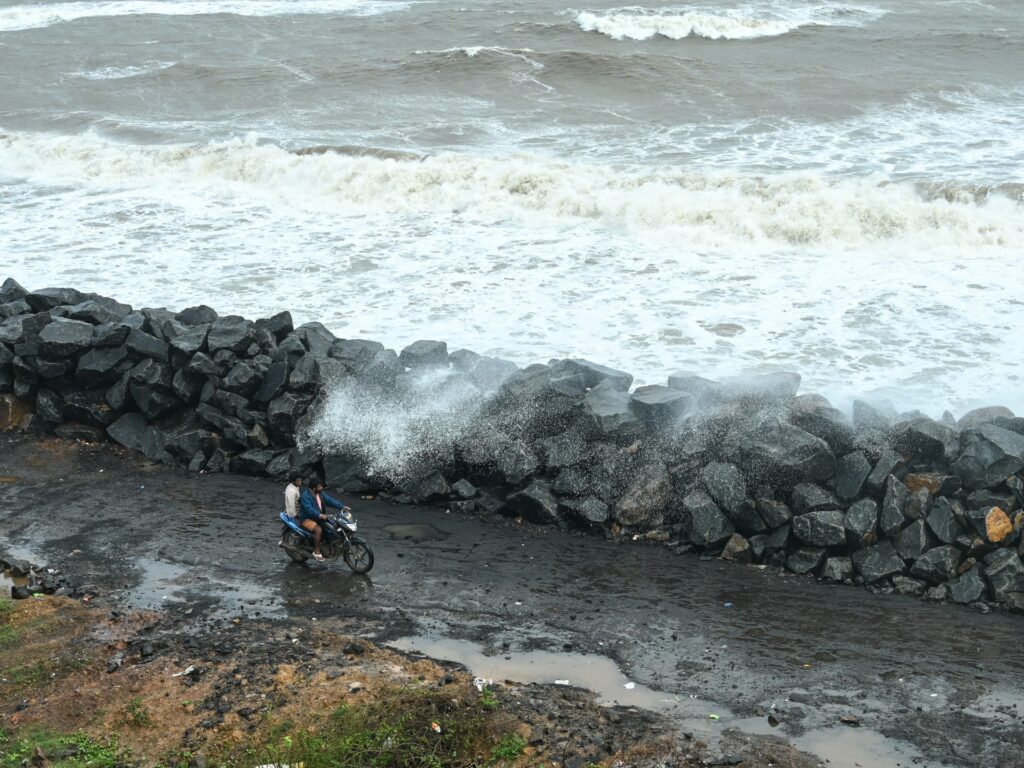
India is bracing for the imminent landfall of ‘Very Severe’ Cyclone Arnab, which is expected to hit the eastern coast on Wednesday. Authorities have accelerated evacuation efforts, with approximately 400,000 people identified as at risk and in urgent need of relocation to safer areas. The cyclone has been intensifying rapidly over the Bay of Bengal, prompting extensive disaster preparedness measures.
Cyclone Arnab’s trajectory indicates it will affect several coastal districts, causing heavy rainfall, strong winds, and a significant risk of flooding and storm surges. The government has issued warnings and mobilized resources including rescue teams, medical aid, and emergency shelters to minimize casualties and damage.
The evacuation process is a massive undertaking involving coordination between local authorities, the military, and disaster management agencies to ensure swift and efficient movement of vulnerable populations. Early warning systems have been activated, and residents are urged to follow official advisories closely.
This cyclone comes at a time when the region is still recovering from earlier natural disasters, making the preparation and response even more critical. Authorities have emphasized the importance of preparedness, urging communities to secure their homes and evacuate promptly if instructed.
In light of the storm’s severity, flights and trains in the affected regions have been canceled or rescheduled, and schools and offices have been closed as a precaution. The Indian Meteorological Department (IMD) continues to monitor the cyclone’s progress and will provide updates as conditions evolve.
The intense cyclone season in the Bay of Bengal highlights the increasing vulnerability of coastal populations to climate-related hazards. With Cyclone Arnab anticipated to cause widespread disruption, emergency services remain on high alert to respond swiftly to any incidents.
Overall, the government’s proactive measures and community cooperation are crucial in mitigating the storm’s impact, aiming to protect lives and property during this challenging natural event.