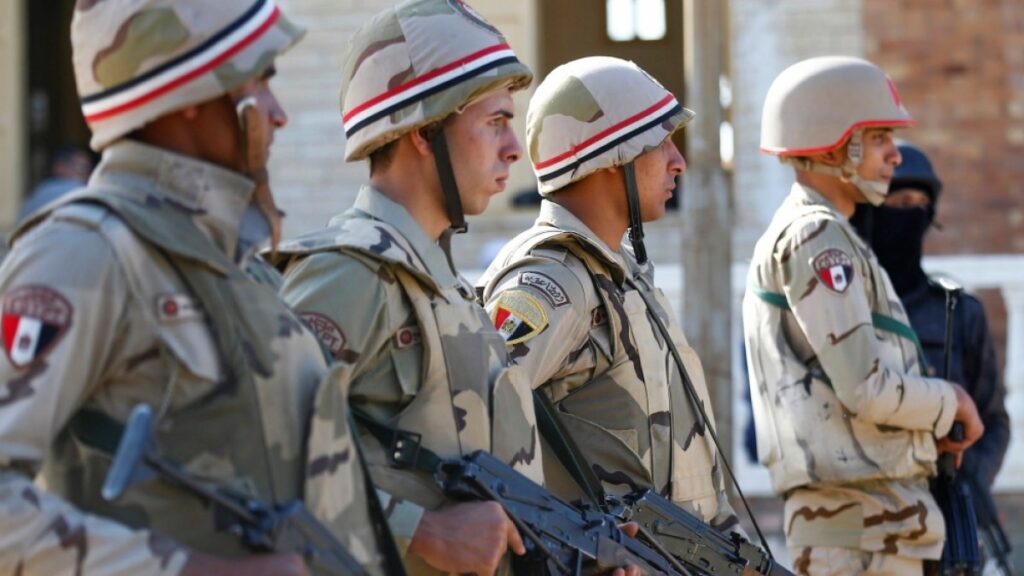
The Egyptian parliament has recently authorized military aid to Saudi Arabia as the kingdom faces ongoing attacks from Houthi forces in Yemen. This move marks a significant development in regional security cooperation, with Cairo stepping up to support its Gulf ally amidst escalating tensions in the Arabian Peninsula.
The decision was met with considerable attention, as lawmakers debated the implications of providing military assistance. Despite the authorization of aid, Egyptian officials have made it clear that Cairo does not intend to engage in strikes within Yemen, highlighting a limited scope of involvement focused on support rather than direct combat operations.
The authorization includes logistical and material assistance, aiming to bolster Saudi Arabia’s defensive capabilities against Houthi missile and drone attacks that have targeted civilian and strategic sites across the kingdom. This aligns with Egypt’s broader strategic interests in maintaining stability within the Gulf and countering Iranian-backed insurgent groups in the region.
Saudi Arabia has been under fire from Houthi rebels based in Yemen, who have intensified their offensive since the ongoing conflict escalated. The Houthis, aligned with Iran, have employed widespread missile strikes and drone attacks targeting key infrastructure and cities in Saudi Arabia, aiming to disrupt the kingdom’s security and economic stability.
Egypt’s parliamentary approval reflects a regional consensus among Gulf Cooperation Council (GCC) members to collaborate more closely on security matters amid rising threats. Egypt’s military support is seen as a significant backing for Saudi efforts to safeguard its borders and civilian population.
While the decision avoids direct Egyptian military engagement in Yemen’s complex civil war, it symbolizes Cairo’s strategic alignment with Saudi Arabia and contributes to a broader coalition effort to counter Houthi advances.
Experts suggest that Egypt’s stance may also influence other Arab nations to provide similar support, underscoring a unified Arab response to Iranian influence via proxy factions like the Houthis.
This development comes at a time when diplomatic efforts to resolve the Yemen conflict have struggled to make headway, leaving military support as a critical tool for allies like Saudi Arabia.
In conclusion, Egypt’s parliamentary authorization to provide military aid to Saudi Arabia represents a notable step in regional defense collaboration. It emphasizes Cairo’s commitment to supporting its Gulf ally while carefully managing the scope of its involvement to avoid direct military confrontation within Yemen itself. This balanced approach seeks to strengthen regional security, uphold the sovereignty of member states, and deter continuing Houthi aggression.