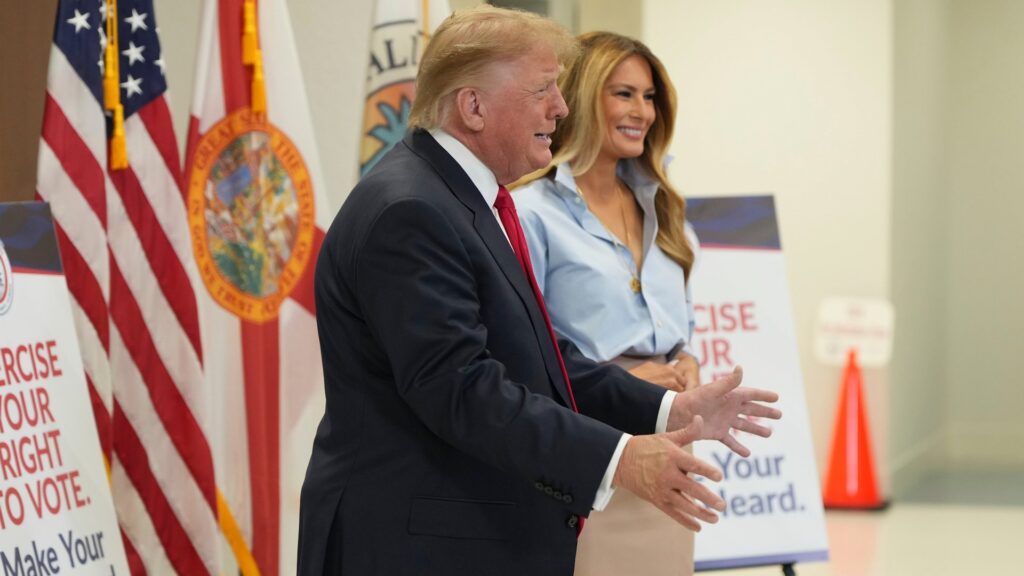
In a recent exchange highlighting the escalating tensions between the United States and Iran, US President Donald Trump sarcastically addressed a reporter’s question regarding potential renewed military strikes on Iran. The interaction took place during a press event where the atmosphere was charged with global concerns over Iran’s regional activities and the US response.
President Trump’s mocking reply underscored his dismissive approach toward immediate discussions about military actions, signaling a complex blend of diplomacy and deterrence. His remarks came at a time when Iran has accused the US of derailing diplomatic efforts, adding layers of complexity to an already fragile situation.
Tehran’s statement condemned what it described as US interference and aggressive posturing, which it claims undermine peace and stability in the Middle East. Iranian officials have emphasized their commitment to defending their sovereignty and regional interests, while also calling for international mediation.
The US administration, meanwhile, has maintained a position of readiness to respond to any threats but has also expressed willingness to engage in dialogue under certain conditions. President Trump’s tone during the press encounter, however, suggested a preference for projecting strength and unpredictability.
Analysts suggest that such exchanges are part of broader psychological and strategic maneuvering designed to influence both domestic and international audiences. The US aims to keep Iran uncertain about the timing and nature of any potential military actions, while Iran seeks to rally national and regional support against perceived external threats.
This dynamic continues to be a focal point for international diplomacy, with key global players monitoring the situation closely. The incident where Trump mocked the reporter’s question illustrates the tension and high stakes involved in the discourse surrounding US-Iran relations.
As the world watches, the balance between confrontation and diplomacy remains precarious, and both sides appear entrenched in their positions. The media plays a crucial role in conveying the nuances of this standoff to the public, shaping perceptions and, potentially, influencing policy decisions.
The ongoing dialogue, both public and behind the scenes, will be critical in determining the future trajectory of US-Iran relations and the stability of the broader Middle East region.