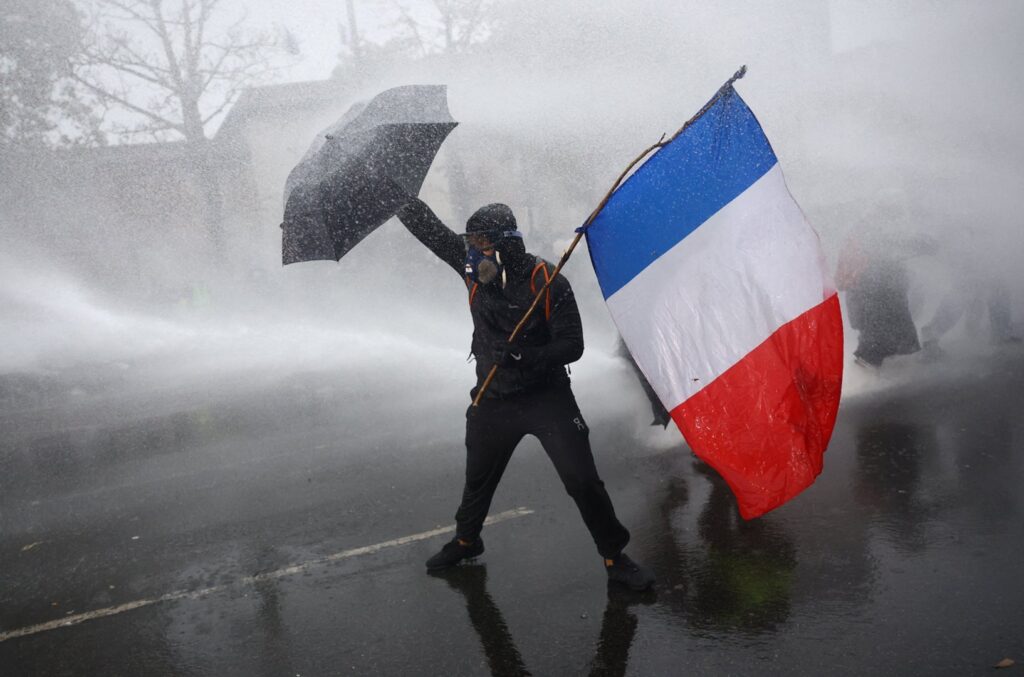
Europe witnessed a surge of violence as protests spread across several countries, including France, Italy, and Spain. Demonstrations initially sparked by concerns over rising living costs and governmental cuts to public services escalated into violent clashes between protesters and police forces.
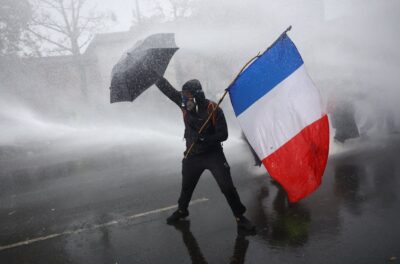
In France, the situation took a tense turn as police deployed tear gas and water cannons to disperse crowds in major cities such as Paris and Marseille. Protestors expressed their frustration over inflation and a growing gap in income equality, demanding government intervention to alleviate economic hardships.
Similarly, Italy experienced widespread unrest with protestors rallying in cities like Rome and Milan. The demonstrations highlighted not only economic pressures from inflation but also opposition to recent austerity measures that have reduced public spending on healthcare and education.
Spain was not spared from turmoil either. Protesters in Madrid and Barcelona voiced strong dissent against cuts to social welfare programs, including pensions and unemployment benefits, which many feel have put vulnerable communities at risk.
Authorities in all three countries struggled to maintain order amid the chaos. Reports indicate numerous injuries on both sides, with several arrests made during the confrontations. The violence underscores the growing tensions within European societies as citizens grapple with the compounded effects of economic instability and policy decisions.
Experts suggest the protests reflect deeper systemic issues, including wage stagnation, job insecurity, and dissatisfaction with political leadership. Many fear these developments could fuel further unrest unless comprehensive measures are taken to address socioeconomic disparities.
Governments have acknowledged the public’s concerns but emphasize the challenges posed by global economic conditions. While promising dialogue with community leaders and opposition groups, officials have warned against continued violence, stating that law enforcement will take necessary action to protect citizens and public property.
The European Union has also commented on the situation, urging member states to collaboratively seek solutions that can stabilize economies while safeguarding social protections. The unfolding unrest is seen as a critical test of European solidarity and governance amid rising populism and economic uncertainty.
As protests continue, the focus remains on finding a balance between fiscal responsibility and social welfare to prevent further deterioration of public trust and national stability. The coming weeks will be crucial in determining whether dialogue and reforms can deescalate the situation or if the continent faces prolonged periods of unrest.