Kenya’s Ministry of Health has confirmed a second case of Ebola virus disease within its borders, heightening concerns about the potential for cross-border transmission in the East African region. The newly identified case involves a relative of the initial patient, who was a 39-year-old man, indicating that the outbreak may be spreading locally and beyond national boundaries.
The announcement came after rigorous contact tracing and testing following the initial detection of the virus in Kenya. Health officials have been working tirelessly to contain the spread, but the emergence of a second case confirms the ongoing risk and potential for escalation.
Ebola, a severe and often fatal illness in humans, is caused by the Ebola virus, which spreads through direct contact with bodily fluids of infected individuals or contaminated materials. The disease has been responsible for multiple outbreaks in Africa, with recent history recording outbreaks in neighboring countries such as Uganda and the Democratic Republic of Congo.
The Kenyan Ministry of Health quickly mobilized resources for diagnostic testing and deployed rapid response teams to affected areas. Both cases are currently isolated and receive medical care in specialized facilities equipped to handle highly infectious diseases. Authorities emphasize the importance of community cooperation and adherence to public health advisories, including avoiding physical contact with suspected patients and reporting any symptoms promptly.
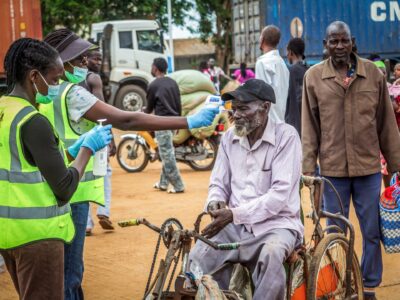
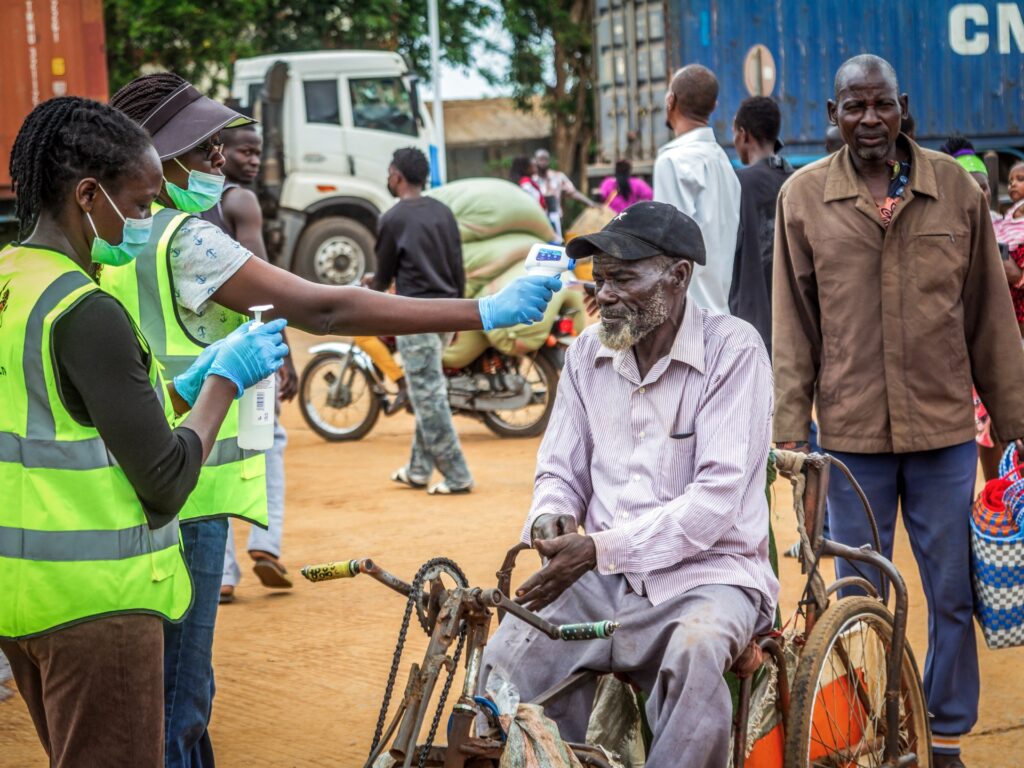
Cross-border movement between Kenya and its neighbors, including Uganda and Tanzania, where previous Ebola outbreaks have been reported, adds complexity for containment efforts. Vigilance at border points has been increased, with health screenings and awareness campaigns implemented to detect and prevent further cross-border spread.
Experts warn that close family contacts, such as those seen in this instance, are particularly vulnerable to infection, underscoring the need for extensive contact tracing and monitoring to break transmission chains. The World Health Organization and regional health bodies are coordinating support to Kenya, offering technical assistance, resources, and expertise.
Public health campaigns are ongoing to educate communities about Ebola symptoms, transmission modes, and prevention measures. Efforts also aim to combat misinformation and reduce stigmatization of affected families and health workers.
The confirmation of a second Ebola case highlights the persistent threat of infectious diseases in regions with porous borders and emphasizes the importance of robust surveillance systems, preparedness, and international cooperation. Kenya’s government continues to prioritize the health and safety of its citizens while working with partners to prevent further spread of this deadly virus.