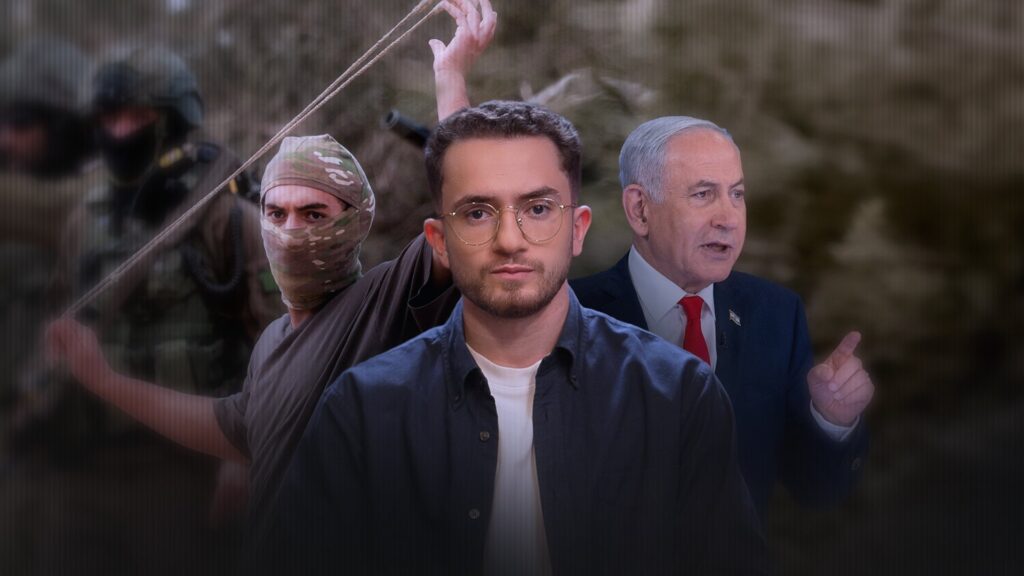
The United Nations has called on Israel to take stronger measures to curb violence perpetrated by settlers in the West Bank, underscoring the escalating tensions in the region. This demand follows a series of violent incidents attributed to Israeli settlers against Palestinian communities. The UN’s statement emphasizes the need for Israel to uphold international law and protect the rights and safety of all civilians regardless of nationality or ethnicity.
In parallel, Israeli Prime Minister Benjamin Netanyahu has issued a stark warning regarding threats from what he described as Israel’s ‘enemies’ who are allegedly planning attacks in the lead-up to the forthcoming elections. Netanyahu’s message highlights the security challenges facing Israel amid volatile regional dynamics and domestic political uncertainty. The Prime Minister did not specify the nature or sources of the supposed threats but stressed that Israel remains vigilant and prepared to respond.
The backdrop to these developments is a series of conflicts and clashes in the occupied territories, where settler violence has intensified, leading to condemnation from various international actors. The UN’s demand signals mounting international concern about the impact of these events on the peace process and stability in the region.
Netanyahu’s warnings also resonate with the broader political landscape in Israel, where security issues frequently influence public opinion and electoral outcomes. His statements come at a critical moment as the country prepares for elections, and tensions on multiple fronts threaten to complicate efforts toward peace and coexistence.
The UN’s call for Israel to do more against settler violence reflects a growing impatience with the situation on the ground. Recommendations include enhanced law enforcement, accountability for perpetrators, and stronger protection measures for Palestinian communities. Analysts note that the situation poses not just a security threat but also undermines prospects for a negotiated peace agreement.
Meanwhile, Netanyahu’s reaffirmation of threats underscores the persistent atmosphere of insecurity that Israelis face. The Prime Minister’s rhetoric aims to rally domestic support by highlighting external dangers while reinforcing the government’s commitment to national security.
The international community remains watchful as these developments unfold, with many urging dialogue and restraint from all parties. The converging issues of settler violence and security threats exemplify the complex challenges Israel faces, balancing internal political dynamics, international pressure, and ongoing conflict.
As the elections approach, the political discourse is expected to be heavily influenced by concerns over safety and the future of Israel’s relations with its neighbors and the global community. Both the UN’s demands and Netanyahu’s remarks underscore the urgency of addressing these multifaceted issues to avoid further escalation.