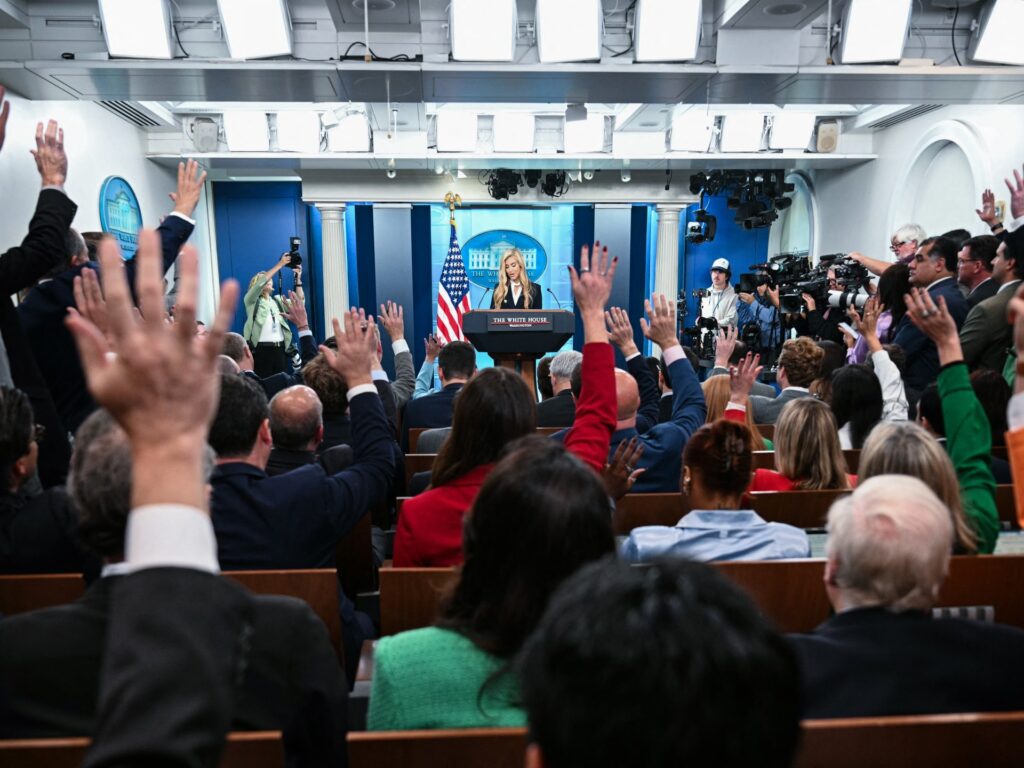
In a significant ruling that upholds press freedom, a judge has extended White House access for major US media outlets including CNN, MSNBC, and Politico. This decision comes amid ongoing legal disputes stemming from the Trump administration’s attempts to restrict these and other media organizations from press briefings and White House events.
The judge’s ruling maintains that the ban imposed by former President Donald Trump’s administration on certain media outlets was likely illegal, emphasizing the importance of an unfettered press in a democratic society. By allowing these key news organizations to continue their coverage from inside the White House, the court has reinforced protections against media censorship.
CNN, MSNBC, and Politico had challenged the restrictions after they were barred from attending White House press events. The case highlighted tensions between the Trump administration and the press, which frequently criticized the president’s handling of information and communications.
The judge’s decision underscores the role of the judiciary in safeguarding the First Amendment rights of journalists, ensuring that government does not interfere unduly with the press’s ability to report on events crucial to public knowledge. This extension of access provides certainty for media outlets that rely on direct White House reporting to inform the public and hold power to account.
The White House has not yet commented on the ruling, but the decision marks a notable moment in the evolving relationship between the media and the executive branch. It sends a clear message that attempts to silence or exclude news organizations from coverage face serious legal challenges.
Media experts have praised the ruling as a victory for free speech and transparency in government. They note that open access to the White House press corps is essential for a healthy democracy, where the public can receive unbiased and timely information about national policies and leadership.
This legal victory sets a precedent that could influence future interactions between the press and political administrations. It highlights the ongoing need to balance security and operational concerns of the White House with the public’s right to information through independent journalism.
The ruling may also prompt reassessment of how administrations manage press access, potentially encouraging more consistent and fair practices that respect journalists’ rights. It reinforces the principle that no media outlet should be arbitrarily excluded from coverage because of critical reporting or editorial views.
As the media landscape evolves with new platforms and changing political dynamics, this case illustrates the enduring importance of the courts in protecting journalistic freedoms and fostering government accountability. Access to reliable information remains a cornerstone of democracy, ensuring citizens can make informed decisions about their leaders and policies.
In summary, the judge’s extension of White House access for CNN, MSNBC, Politico, and likely other media organizations represents a pivotal reaffirmation of press freedoms amid political contention. It highlights the judiciary’s role in checking executive power and promoting transparency, vital elements for an informed and engaged public.