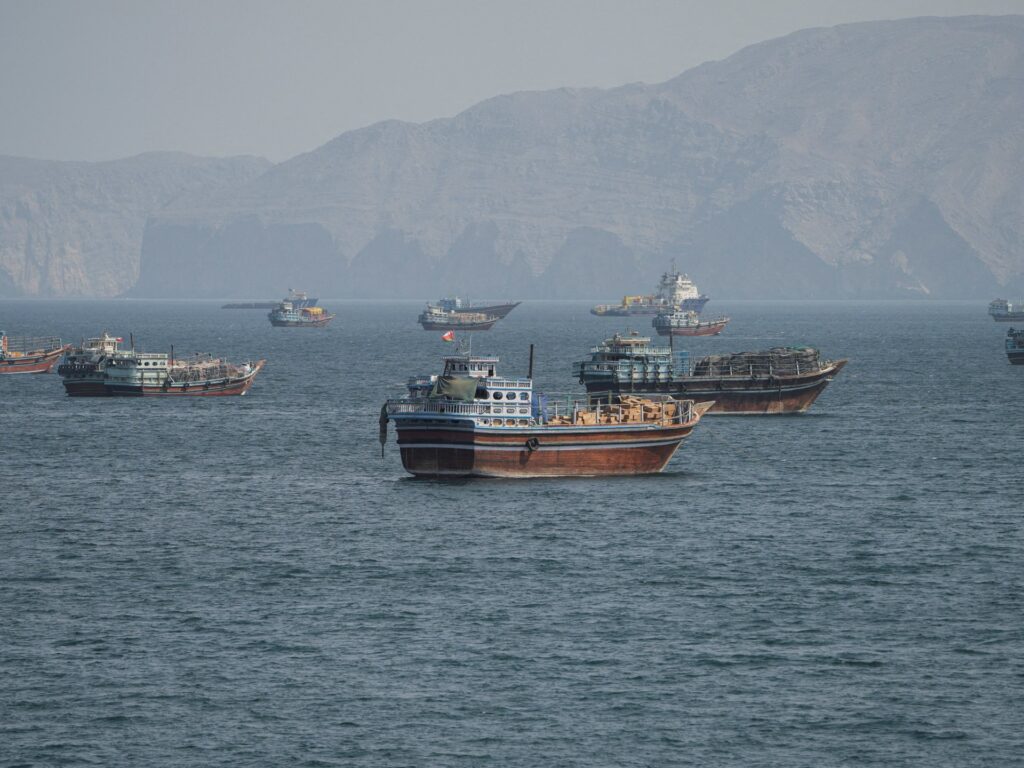
The Strait of Hormuz, a critical maritime passage for global oil shipments, has witnessed a significant spike in hostile activities recently, marking the worst series of attacks since the onset of ongoing regional conflicts. This escalation has prompted Iran to intensify surveillance measures in the area, aiming to secure its strategic interests and maintain control over this vital chokepoint.
Situated between the Persian Gulf and the Gulf of Oman, the Strait of Hormuz serves as the transit route for roughly 20% of the world’s oil supply. Its importance to the global energy market cannot be overstated, as any disruption here sends ripples across international oil prices and energy security concerns worldwide.
In the past weeks, the frequency and severity of attacks on shipping vessels have surged sharply. These incidents have involved a range of weaponry and tactics, including drone strikes, explosions, and targeted assaults on both commercial and military ships navigating the strait. Several vessels have reported damage or complete shutdowns, exacerbating an already fragile maritime security environment.
Iran’s response has been robust, stepping up its surveillance capabilities to monitor and counteract these threats more effectively. By deploying advanced radar systems, increased naval patrols, and aerial reconnaissance, Iranian forces aim to assert dominance and deter further aggression in these waters.
The immediate consequence of these attacks and heightened tensions has been a significant reduction in oil flow through the strait. Several oil tankers have been forced to reroute or delay their passage, creating bottlenecks and contributing to volatility in global oil markets. Industry analysts warn that continued disruption could escalate oil prices further and impair supply stability for importing nations.
International reactions to the situation in the Strait of Hormuz have been cautious, with calls for restraint and diplomatic engagement to de-escalate tensions. Key global powers emphasize the need to safeguard freedom of navigation and ensure uninterrupted flow of commerce through this strategic waterway.
Historically, the Strait of Hormuz has been a flashpoint for geopolitical rivalries given its strategic importance. Recent clashes underscore the broader regional power struggles and underscore the fragility of maritime security in the Gulf region.
Shipping companies and insurers are now reassessing risk and modifying routes in response to this evolving threat landscape, which in turn impacts the cost and speed of maritime trade. The economic implications extend beyond the energy sector, potentially affecting global supply chains and commodity markets.
Efforts to mediate tensions and establish maritime security frameworks are underway but face challenges amid the complex political dynamics of the region. Stakeholders hope that diplomatic channels can be leveraged to de-escalate hostilities and restore stability.
In conclusion, the surge in attacks in the Strait of Hormuz has triggered a significant security and economic crisis, prompting Iran to enhance surveillance and control measures. The international community watches closely as the situation develops, aware of the potential consequences for global oil markets and geopolitical balance.