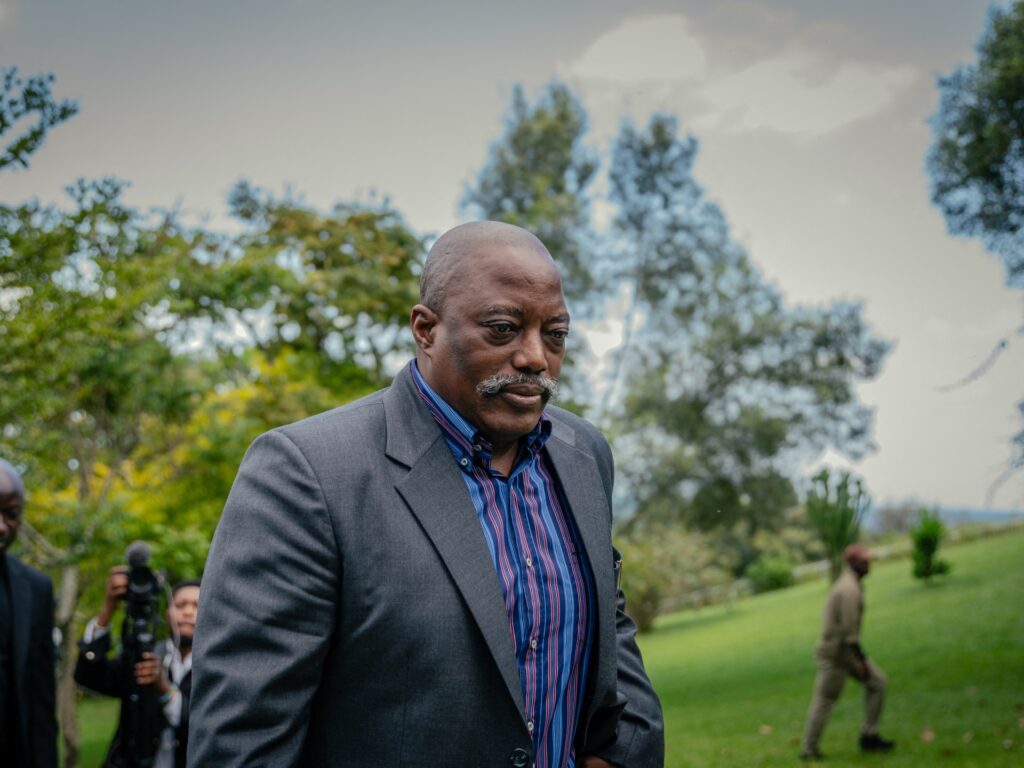
The recent revelation of former Democratic Republic of Congo (DRC) President Joseph Kabila’s alliance with the M23 rebels has sent shockwaves through both national and international political spheres. This alliance confirms long-standing accusations made by the government in Kinshasa, which has repeatedly claimed that Kabila maintains covert ties with armed rebel factions destabilizing the country.
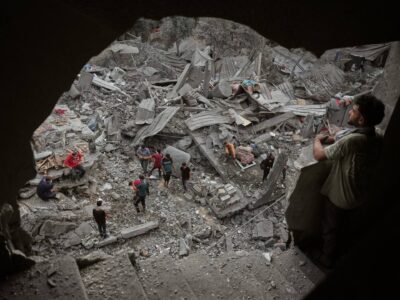
M23, a rebel group primarily active in the eastern regions of the DRC, has been responsible for persistent violence, human rights abuses, and displacement of thousands of civilians. The group opposes the current government, leading to conflicts that undermine peace and stability in the region. Kabila’s alleged support of M23 therefore raises critical questions about his role in perpetuating conflict and whether his political ambitions come at the expense of national cohesion.
Kabila served as the president of DRC for nearly two decades before stepping down in 2019. During his tenure, critics accused him of corruption and authoritarian practices. The accusations of collaboration with M23 rebels suggest that he continues to exert influence over destabilizing forces despite no longer holding office.
The government in Kinshasa has long sought to depict Kabila as a puppet master behind the ongoing unrest. The new confirmation of his alliance with M23 validates these claims and strengthens the government’s position on addressing insurgencies. It also isolates Kabila politically and signals a potentially significant shift in the dynamics of power in the DRC.
This development has several implications. Firstly, it intensifies distrust among various political actors within the DRC, complicating efforts towards national reconciliation and inclusive governance. Secondly, it worsens security challenges not only in the DRC but in the broader Great Lakes region, as rebel groups like M23 frequently cross borders, spreading instability.
International actors, including the United Nations and African Union, have expressed concern over the situation. They have called for transparent investigations and urged Kabila and all parties to support peace initiatives. The international community’s involvement remains crucial to mediating the conflict and promoting sustainable peace.
Experts suggest that Kabila’s connection with M23 may stem from attempts to retain political leverage and protect vested interests, especially concerning resource-rich territories in eastern DRC. These areas have historically been hotspots for conflict due to their mineral wealth, which rebel groups often exploit to finance their operations.
The confirmation of Kabila’s alliance also serves as a cautionary tale about the dangers of former leaders wielding influence over armed groups. It demonstrates how unresolved political rivalries can perpetuate cycles of violence long after politicians leave office.
For the people of the DRC, this alliance signals a continued struggle against the backdrop of peace efforts. The government’s challenge will be to dismantle rebel networks while fostering an environment where political competition does not translate into armed conflict.
In conclusion, ex-President Joseph Kabila’s alliance with the M23 rebels is a pivotal development in the Democratic Republic of Congo’s ongoing conflict. It not only confirms long-held suspicions by the Kinshasa government but also underlines the complexities of political power, rebellion, and peace-building in the region. Moving forward, addressing the root causes of this alliance and holding accountable those who perpetuate violence will be essential for the country’s path to stability and prosperity.