The United Nations Human Rights Council recently concluded its election process for 15 of its member seats through an uncontested vote. This development has drawn significant attention and criticism from human rights groups worldwide, who argue that the lack of contestation undermines the council’s credibility and accountability. The UN Human Rights Council, responsible for promoting and protecting human rights globally, faces scrutiny as several countries with questionable human rights records secured membership without opposition.
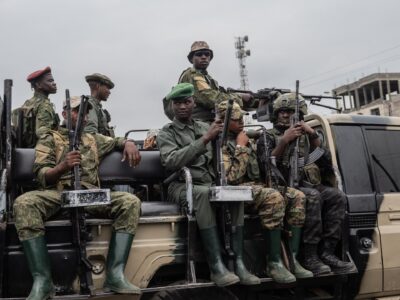
The election process traditionally aims to ensure that member states are committed to upholding and advancing human rights. However, the uncontested nature of the vote raises concerns about the effectiveness of this mechanism. Critics highlight that it allows nations with poor human rights practices to gain influential positions within the council, potentially compromising its integrity.
Human rights organizations emphasize that the inclusion of such countries in the council can dilute its purpose of holding violators accountable and promoting justice. They warn that these members might avoid scrutiny or manipulate council proceedings to shield themselves from criticism.
This election cycle’s outcomes reflect broader geopolitical dynamics, where strategic alliances and diplomatic negotiations often influence council memberships. The process lacks rigorous competition or stringent evaluation of candidates’ human rights records, granting controversial governments easier access to the body.
Experts suggest reforms to enhance transparency and competitiveness in future elections. Proposals include introducing stricter eligibility criteria based on demonstrated human rights commitments, limiting membership for countries with ongoing human rights violations, and increasing civil society involvement in the selection process.
Additionally, observers call for greater oversight and accountability measures within the council’s framework to prevent the erosion of its standards. Strengthening these mechanisms is seen as essential to restore confidence among the international community and human rights defenders.
The UN Human Rights Council plays a crucial role in addressing abuses, supporting victims, and setting international human rights norms. The presence of members with questionable records challenges the legitimacy and effectiveness of its mandate.
As the newly elected members begin their terms, the international community watches closely to assess their contributions toward advancing human rights or potentially hindering progress. The call for reform reflects a broader demand for a more credible, accountable, and effective human rights governance structure at the United Nations.