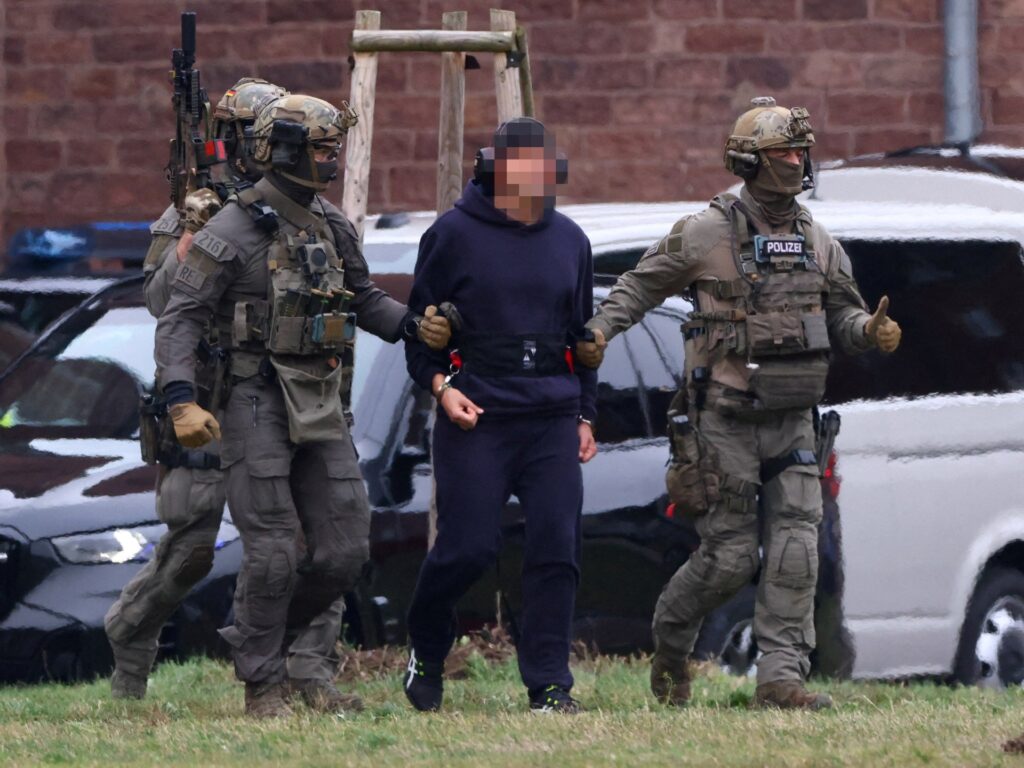
A former Ukrainian military officer has been put on trial in Germany concerning the Nord Stream pipeline explosions. The case, which is expected to extend into February, holds significant political implications, potentially challenging Germany’s current stance on Ukraine. The Nord Stream pipeline, a critical infrastructure linking Russia and Europe, suffered blasts that raised international tensions and suspicions regarding responsibility. The trial marks a pivotal moment, as it not only addresses allegations relating to the sabotage of the pipeline but also tests diplomatic relations between Germany and Ukraine amid ongoing geopolitical conflicts. Observers anticipate the proceedings will delve into intricate details surrounding the attacks, motives, and broader geopolitical strategies involved. Germany’s political environment is poised for scrutiny, as differing opinions emerge on how the government has handled Ukraine-related policies and the investigation into the blasts. The trial outcome could influence future security measures for European energy infrastructure and redefine Germany’s foreign policy approach toward the Ukrainian conflict. Legal experts and international relations analysts are closely monitoring the case, recognizing its potential to reshape the discourse on accountability and alliance-building in the region. The case underscores the complexities of energy security, political alliances, and the fragile balance of power in Europe amidst ongoing tensions between Russia, Ukraine, and Western nations.