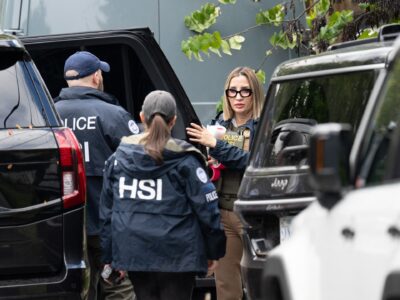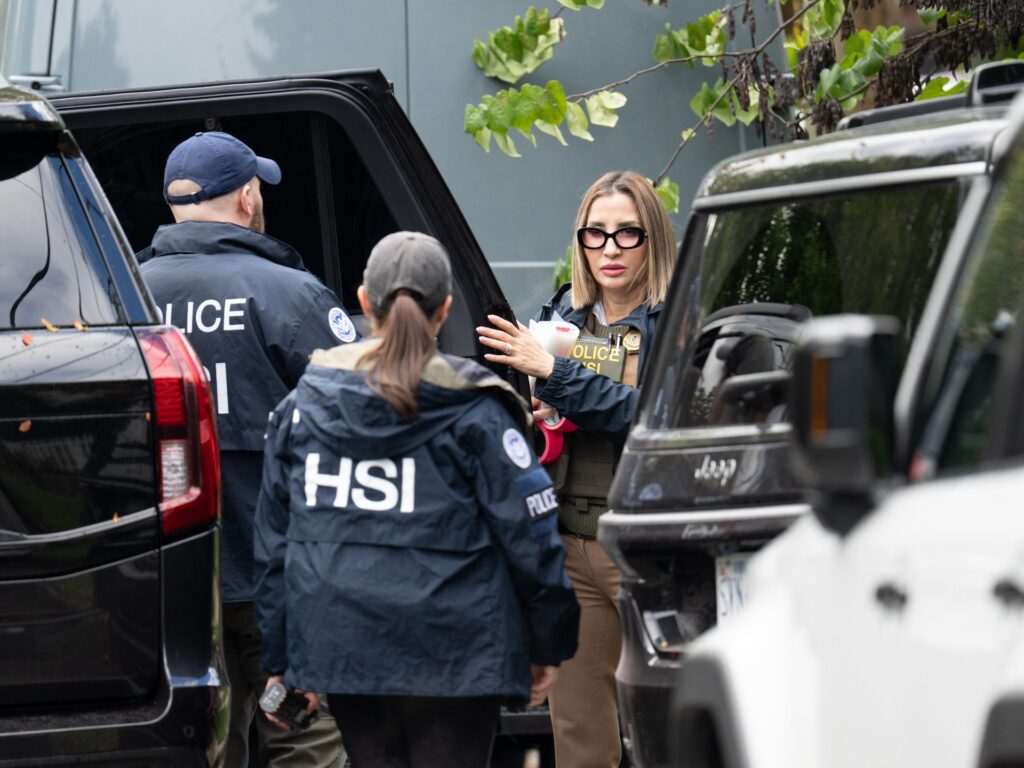
In the lead-up to the highly anticipated US midterm elections, a significant controversy has erupted following the federal search of Representative Ilhan Omar’s home. The incident has drawn widespread attention and debates about the motivations and implications of the search.
Ilhan Omar, a prominent Democratic Congresswoman, characterized the search as an attempt to “weaponize federal law enforcement.” She alleges that the timing and nature of the operation are politically motivated, designed to undermine her political standing and influence the electoral process.
The search has sparked intense criticism from Omar’s supporters and various civil rights advocates, who argue that such actions could be part of a broader strategy to intimidate and suppress progressive voices within the political landscape. Critics suggest that the federal agents’ involvement raises concerns about the use of government power to target elected officials based on political affiliations.
On the other hand, federal authorities have not fully disclosed the details of the investigation that prompted the search, citing the sensitivity of the matter. This lack of transparency has fueled speculation and mistrust among the public and political commentators.
The controversy taps into long-standing debates about the role of federal law enforcement agencies and the potential for their actions to be influenced by partisan interests. It raises questions about the balance between legitimate investigative procedures and the protection of democratic processes from possible abuses of power.
As the US midterm elections approach, the incident has become a focal point for discussions on political fairness, civil liberties, and the integrity of democratic institutions. Observers are closely watching how the situation will unfold and what repercussions it might have on both the immediate electoral outcomes and the broader political climate.
In summary, the federal search of Ilhan Omar’s home has ignited a contentious debate about the intersection of law enforcement, politics, and civil rights amid a critical election period. The event underscores the fragile nature of trust between government agencies and the public, highlighting the need for transparency and accountability in upholding democratic values.