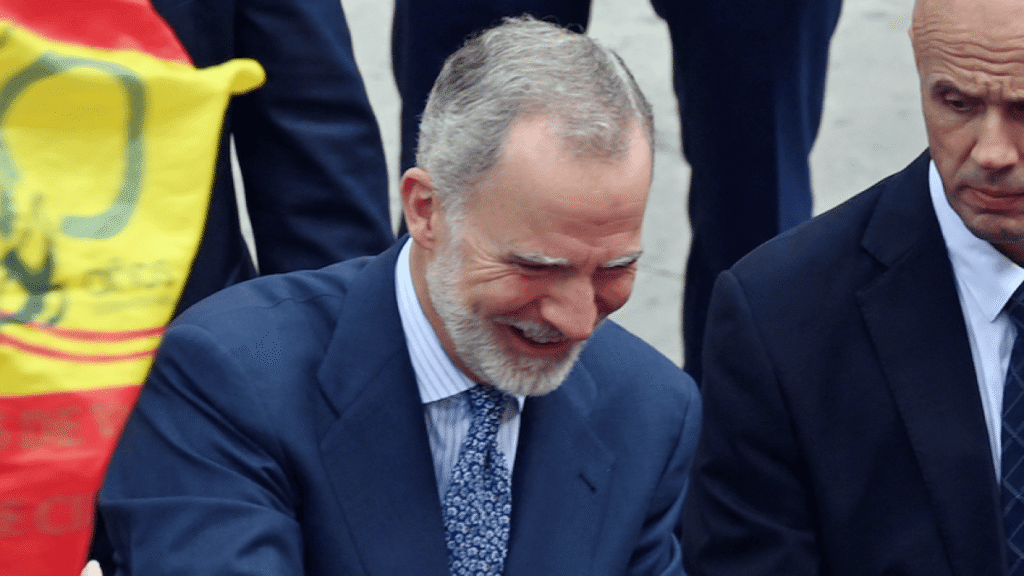
Spain’s King Felipe VI has made his first official visit to the autonomous Spanish city of Ceuta, stepping into the spotlight amid a tense and ongoing migrant crisis that has gripped the region. Ceuta, located on the northern coast of Africa, borders Morocco and has become a focal point of increased migration attempts into European Union territory. This visit by the monarch, who ascended the throne in 2014, underscores the significance of the ongoing humanitarian and border challenges faced by Spain.
The city of Ceuta has witnessed a surge in migrant crossings, with thousands of people attempting to scale fences or enter by sea in search of safety and better opportunities. This influx places considerable pressure on local authorities and the humanitarian system, leading to urgent calls for coordinated responses both within Spain and at the broader EU level.
King Felipe’s presence in Ceuta is seen as both a symbolic and practical gesture. Symbolically, it represents the Spanish government’s commitment to protecting its borders and supporting the residents of this strategic enclave. Practically, the visit provides an opportunity to assess the on-ground situation, engage with local officials, and endorse the efforts being made to manage migration flows humanely and securely.
During his visit, King Felipe toured border facilities and met with security personnel, frontline workers, and representatives from humanitarian organizations aiding migrants. His discussions highlighted the complexities of balancing border security with respect for migrant rights and international asylum laws.
The migrant crisis in Ceuta is part of a broader pattern affecting Spain and the EU, where political debates around migration often provoke strong public reactions and policy challenges. Neighboring Morocco’s role as a transit point adds layers of diplomatic and operational complexity to managing this issue.
Spain has intensified border controls and increased cooperation with Morocco, aiming to deter unauthorized crossings while also accelerating the processing of asylum claims. However, the situation remains fluid, with occasional spikes in attempted crossings linked to political or social developments both in Morocco and migrants’ countries of origin.
The King’s visit also seeks to raise awareness within Spain and abroad about the human stories behind the migration crisis in Ceuta. Many migrants risk their lives escaping hardship, conflict, and poverty, and the city becomes a frontline for European efforts to manage these humanitarian flows responsibly.
Local Ceuta residents have expressed a mixture of solidarity and frustration, as the city’s small size means it feels the disproportionate impact of migration pressures. Economic and social tensions occasionally rise, making dialogue and inclusive policies critical for long-term stability.
Looking ahead, the Spanish government plans to enhance support services for migrants and bolster local infrastructure in Ceuta. King Felipe’s visit thus serves not only as a moment to acknowledge current challenges but also signals a commitment to addressing them collaboratively with regional partners and international organizations.
In summary, King Felipe VI’s historic first visit to Ceuta amidst the ongoing migrant crisis highlights Spain’s dedication to managing this complex humanitarian issue. The event brings focus to the delicate balance of border security, human rights, and international cooperation required to navigate migration challenges in the 21st century.