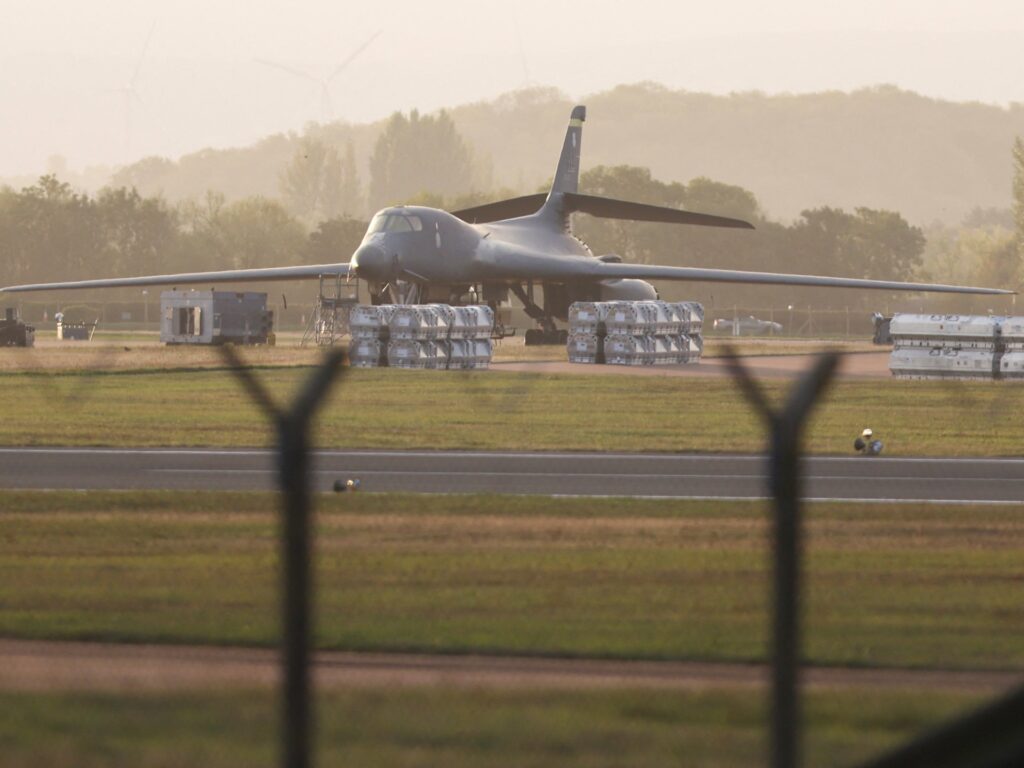
Tensions have escalated between Iran and the United Kingdom following recent allegations made by the UK government accusing Iran’s Islamic Revolutionary Guard Corps (IRGC) of orchestrating a plot against a military airbase on British soil. This development has further strained diplomatic relations between the two nations.
The UK authorities publicly blamed the IRGC for an incident targeting one of its airbases, claiming that intelligence gathered indicated Iranian involvement. The exact nature of the alleged plot has not been fully disclosed, but the UK has described it as a serious security threat that could undermine regional and international stability.
In response, Iranian officials vehemently denied the accusations and characterized them as politically motivated “false flag” operations designed to tarnish Iran’s international reputation. Tehran insists that it had no involvement in any hostile actions directed at the UK and condemned the allegations as baseless and inflammatory.
Experts note that the term “false flag” is often used to describe covert operations intended to deceive by appearing as if conducted by another entity, and Iran’s assertion suggests it believes that another party may be attempting to provoke conflict or justify tougher measures against Tehran.
This incident is unfolding amid ongoing tensions related to Iran’s nuclear program, regional influence, and historical grievances with Western powers, notably the United States and its allies. The accusations and counter-accusations add layers of complexity to the fragile geopolitical landscape.
Diplomatic sources report that both sides are currently engaged in backchannel communications aimed at preventing further escalation, although the atmosphere remains tense. The UK is said to be consulting with its international partners to coordinate a measured response, balancing security concerns with the desire to avoid open conflict.
International observers have expressed concern about the potential for miscalculation and unintended consequences arising from such high-stakes accusations. Analysts warn that rhetoric alone could inflame nationalist sentiments or embolden hardliners within either government, complicating efforts toward dialogue and resolution.
Meanwhile, the UK government has announced heightened security measures at its military installations and urged vigilance among allied nations. Iran, on its part, has reiterated its commitment to defending its sovereignty but also expressed willingness to engage in diplomatic dialogue if approached with sincerity.
This episode underscores the fragile and often contentious nature of Iran-UK relations, which have seen moments of cooperation but are frequently overshadowed by mistrust and conflicting interests. The global community watches cautiously, acknowledging that the repercussions of such incidents extend beyond bilateral ties, influencing broader Middle Eastern and international security dynamics.
As investigations continue and diplomatic efforts persist, the situation remains fluid. Both sides face international pressure to de-escalate tensions and seek pathways to peace amid a backdrop of complex global challenges and shifting alliances.