In a significant diplomatic effort to address the escalating violence in Eastern Democratic Republic of Congo (DRC), the African Union convened high-level talks in Kigali. The meeting gathered three former African presidents who focused on key issues such as regional security, refugee protection, and deeper cooperation among neighboring nations.
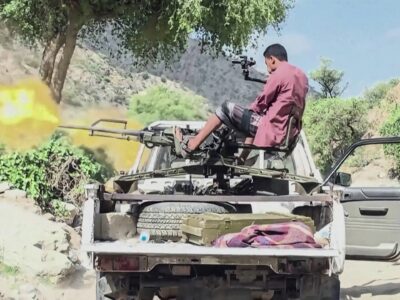
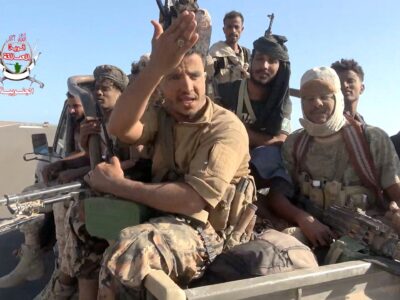
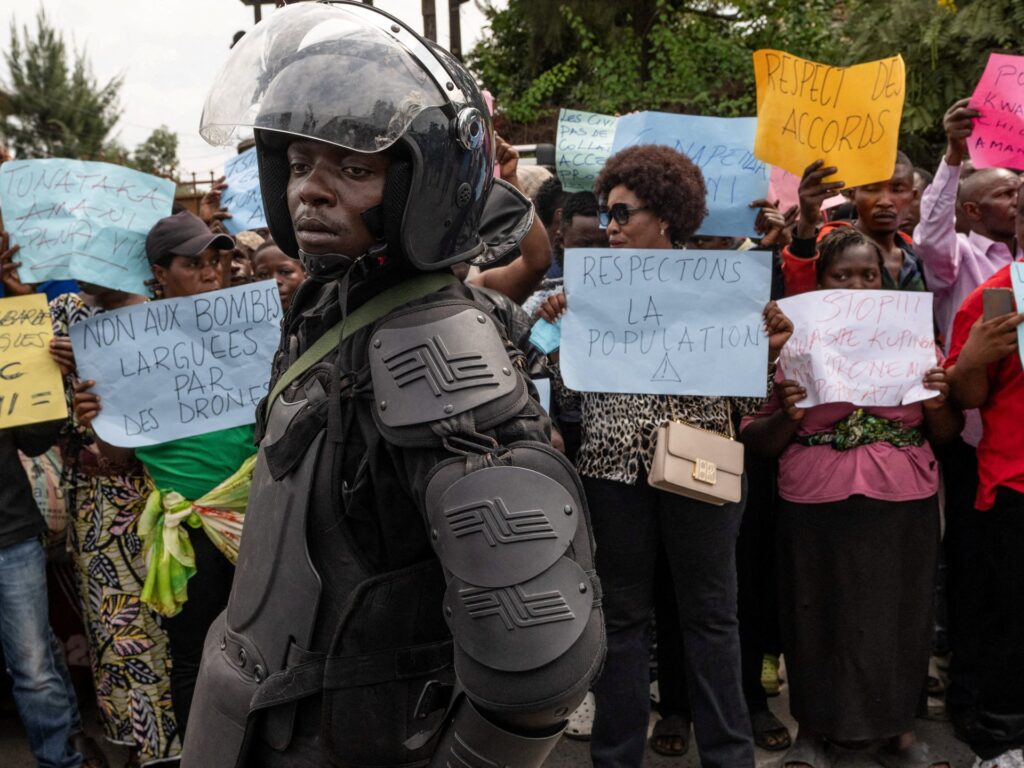
The conflict in Eastern DRC has been a persistent source of instability, marked by armed clashes involving various militia groups and government forces, leading to widespread humanitarian crises including large-scale displacement and significant civilian casualties. The severity of the situation has drawn international attention, with neighboring countries and regional organizations seeking ways to foster peace and security.
During the Kigali meeting, the former presidents underscored the urgent need for a coordinated and comprehensive approach to security. They discussed reinforcing commitments among regional players to curb the violence and stabilize the affected areas. Emphasis was placed on improving intelligence sharing, joint military operations, and diplomatic engagements to effectively dismantle armed groups.
Another critical topic was the protection and humanitarian assistance for refugees fleeing violence in Eastern DRC. The talks highlighted the importance of safeguarding the rights and well-being of displaced populations while ensuring their access to essential services. Regional collaboration was deemed essential to manage the refugee flow and prevent the strain on host communities.
Cooperation was also extended to broader regional development strategies. The former leaders proposed initiatives aimed at fostering economic resilience and social cohesion, which are seen as fundamental to long-term peace. Efforts to promote cross-border trade, infrastructure development, and conflict-sensitive governance were discussed as modalities to address the root causes of violence.
The African Union’s involvement in these talks demonstrated its commitment to peace and security in Africa by rallying experienced statesmen to lead dialogue and action. The engagement of former presidents reflects a strategic utilization of diplomatic goodwill and historical insight into the continent’s political landscape.
The outcomes of the Kigali talks are expected to influence future policy decisions and operational plans by both the African Union and the governments of countries bordering the DRC. Stakeholders expressed cautious optimism that sustained dialogue and regional solidarity could pave the way for a durable resolution to the conflict.
While the challenges in Eastern DRC remain complex and deeply entrenched, the African Union’s proactive stance through such high-level consultations signifies a hopeful step toward peace, stability, and improved humanitarian conditions in the region. The continuation of these discussions and the implementation of agreed measures will be critical in shaping the trajectory of peace efforts in Eastern DRC and the broader Great Lakes region.