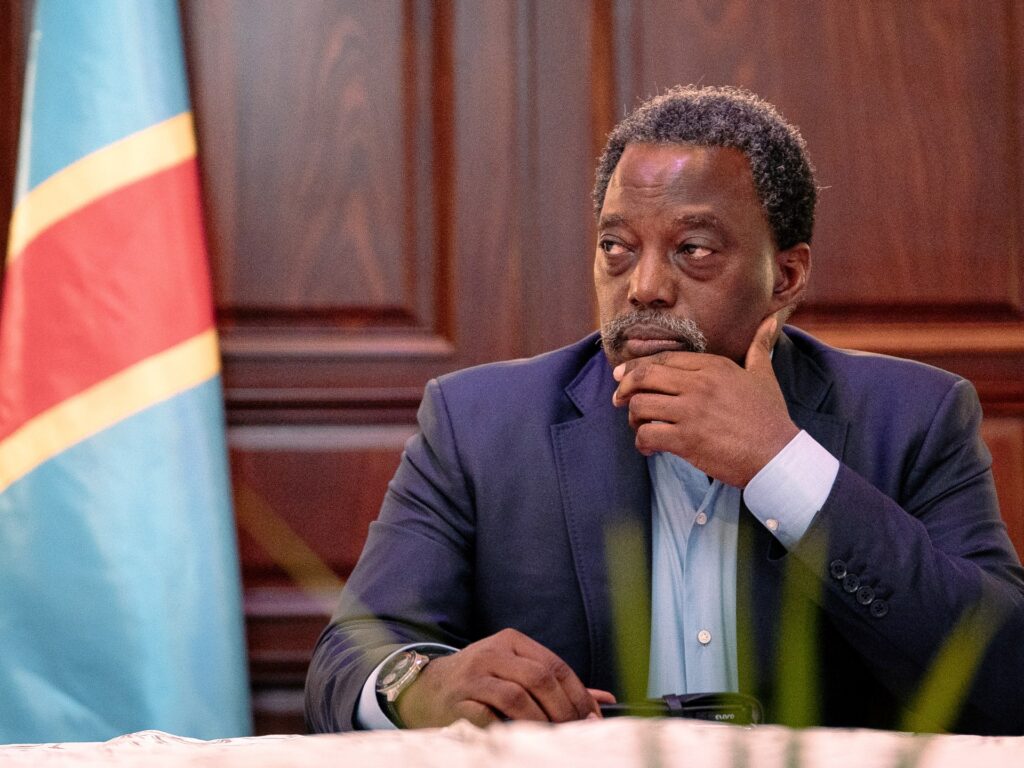
A significant political and military development has unfolded in the Democratic Republic of Congo (DRC) as former President Joseph Kabila has reportedly aligned with the M23 rebel group to form a new coalition. This alliance has raised alarms both within the country and internationally due to the potential for increased violence and instability.
Joseph Kabila, who served as the president of the DRC from 2001 to 2019, has maintained a degree of political influence even after stepping down. His joining forces with the M23 rebels marks a striking turn in the nation’s complex conflict landscape. The M23 rebel group, primarily active in eastern DRC, has long been a contentious and destabilizing force, implicated in violent confrontations and humanitarian crises.
The emergence of this coalition threatens to exacerbate tensions with the current government led by President Félix Tshisekedi. Since taking office, Tshisekedi has been striving to establish peace and foster development, but factions such as the M23 present formidable challenges. The coalition’s formation has sparked fears of renewed fighting that could undermine these efforts and plunge parts of the country back into violent turmoil.
Eastern DRC has been a hotspot of conflict for many years, involving various rebel factions, national forces, and international peacekeeping missions. The region’s abundant natural resources and strategic significance have historically made it a focal point for armed conflict. The alliance between Kabila and M23 adds a new dimension to the conflict, potentially complicating diplomatic and military responses.
Observers worry that the coalition could unify disaffected groups, consolidating power and resources in a manner that could lead to escalated confrontations. Moreover, this move might embolden other insurgent groups, fostering an environment ripe for conflict and undermining peace initiatives.
Humanitarian implications are also dire. Increased fighting often results in displacement, civilian casualties, and a worsening of living conditions. Already, millions in the DRC face challenges such as food insecurity, lack of healthcare, and disrupted education. The new coalition threatens to intensify these hardships.
The international community has reacted with concern. Regional organizations and foreign governments have urged restraint and dialogue to prevent further bloodshed. Calls for renewed peace talks and conflict resolution measures have been emphasized as urgent priorities.
President Tshisekedi’s administration faces a critical test in managing this threat. Balancing military efforts to contain the coalition while pursuing political solutions will require careful strategy and considerable resources. The risk of regional spillover also adds pressure to collaborate with neighboring countries to maintain stability.
This coalition underscores the fragility of peace in the DRC and the challenges of governance in a landscape marked by deep-seated grievances and competing interests. The coming weeks will be crucial in determining whether this alliance leads to further conflict or if it can be countered through concerted national and international efforts.
In sum, the alliance between former President Kabila and the M23 rebel group signals a worrisome development in the Democratic Republic of Congo’s ongoing struggle for peace and stability. The potential for increased fighting, humanitarian crises, and political destabilization looms large, demanding immediate attention and action from all stakeholders involved.