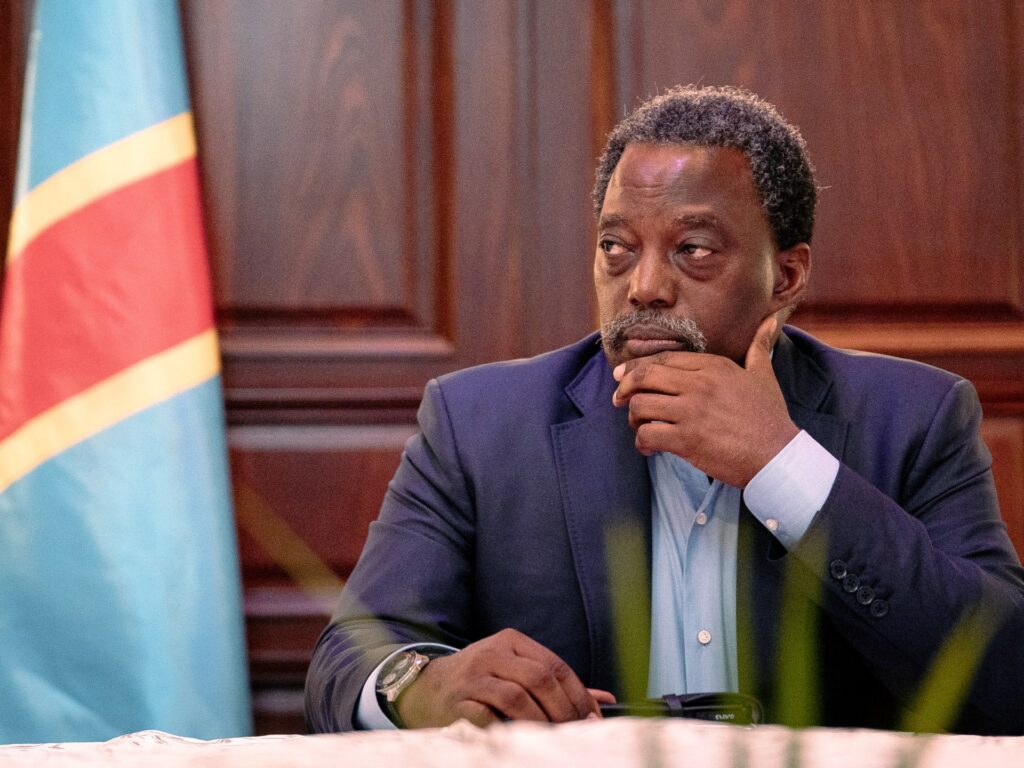
In a dramatic twist to the ongoing conflict landscape in the Democratic Republic of Congo (DR Congo), former President Joseph Kabila has reportedly joined forces with the M23 rebel group, forming a new coalition that threatens to intensify regional instability. This unprecedented alliance has raised significant concerns among observers and the current government led by President Félix Tshisekedi, with fears that it could lead to escalated fighting and deepen political and military confrontations.
Joseph Kabila, who served as the president of DR Congo from 2001 until 2019, has been a central figure in the country’s political affairs even after stepping down. His tenure was marked by periods of conflict and efforts to maintain control over the vast and resource-rich nation. The decision of Kabila to align with the M23 rebels—a group known for its insurrectionist activities primarily in the eastern provinces—signals a new chapter in the volatile Congolese political and security situation.
The M23 rebel movement, originally formed in 2012 by Tutsi fighters claiming to defend their rights, has been responsible for numerous clashes in the eastern DR Congo, a region plagued by ethnic tensions and resource-driven conflict. The group had previously been defeated and disbanded but resurfaced in recent years, leading to renewed violence and displacement of civilians.
The alliance between Kabila and the M23 rebels appears to be motivated by a combination of strategic political interests and shared dissatisfaction with President Tshisekedi’s administration. Tshisekedi, who took office in 2019, has struggled to assert control over the rebel-infested regions and to implement reforms promised during his campaign. His government’s weakened grip on power and the ongoing instability have made room for alternative power centers, including insurgent movements.
Analysts suggest that Kabila’s involvement could provide the M23 rebels with greater political legitimacy, resources, and strategic direction, potentially emboldening them to expand their operations. This alliance could also reflect broader regional dynamics, with various internal and external actors influencing the conflict for political and economic gain.
The creation of this new coalition raises alarms over the potential for a resurgence of widespread violence. International organizations, human rights groups, and neighboring countries have voiced concern about the humanitarian consequences of escalating conflict in DR Congo, which already suffers from one of the world’s largest crises of displacement and human rights abuses.
President Tshisekedi’s government is now faced with the complex challenge of responding to this new threat. It requires navigating a delicate political landscape to restore peace while avoiding further alienation of different ethnic groups and political factions. Efforts to engage in dialogue, mobilize international support, and strengthen security forces are expected but the path forward remains uncertain.
The alliance between former President Joseph Kabila and the M23 rebels marks a significant development in DR Congo’s ongoing struggles with conflict and governance. Regional stability hangs in the balance as the country confronts these renewed challenges, calling for urgent attention from both national leaders and the international community to prevent further deterioration of peace and security.