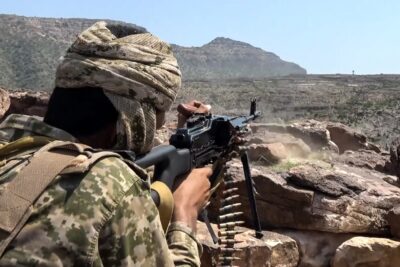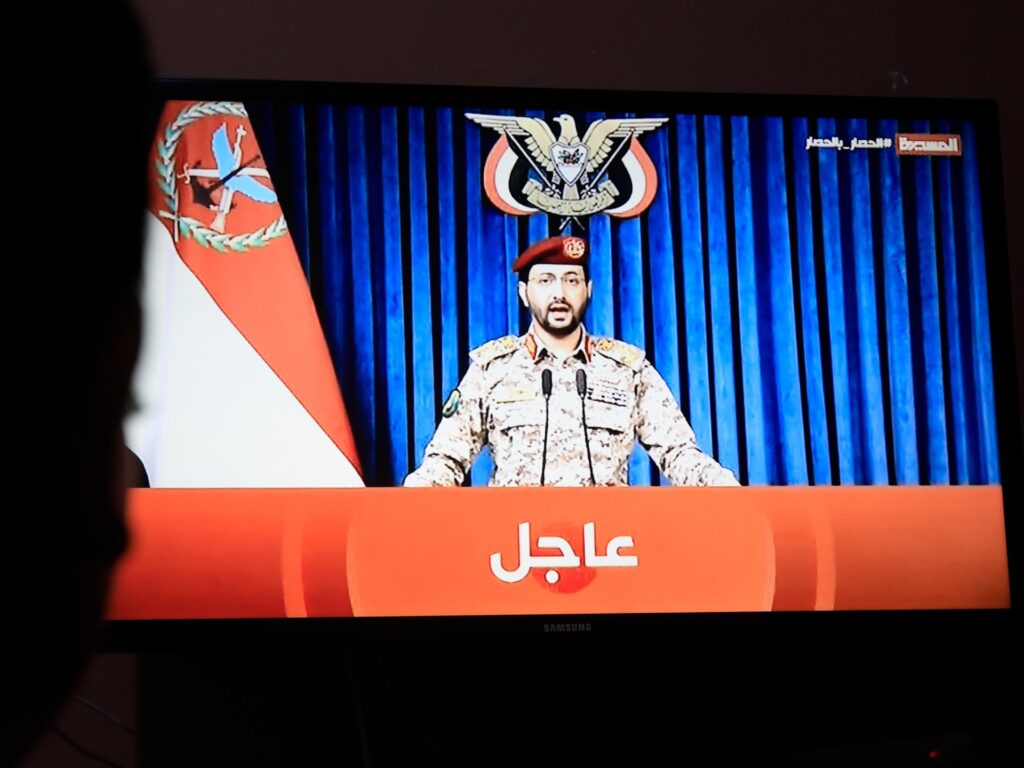
For the third consecutive day, the Saudi capital Riyadh has been targeted by missile attacks launched by the Houthi movement. Saudi Arabian defense authorities reported that a ballistic missile fired towards Riyadh was successfully intercepted, preventing possible casualties and damage. The ongoing missile assault highlights heightened tensions in the region and underscores the Houthis’ continued capability and intent to strike deep into Saudi territory.
According to statements from the Houthi group, their recent missile strike targeted Riyadh’s airport, an attempt to disrupt critical infrastructure and international connectivity. The claims come amidst a backdrop of escalating conflict and retaliatory actions between the Houthi forces based in Yemen and the Saudi-led coalition.
Saudi Arabia’s defense systems have been on high alert as they respond to these repeated attacks. The country’s ballistic missile defense system has demonstrated effectiveness by intercepting threats before they reach populated areas, showcasing advances in military technology and preparedness.
The attacks have raised concerns internationally about the safety of civilians in Riyadh and the potential for escalation in the ongoing Yemen conflict, which has already caused significant humanitarian challenges. Neighboring countries and global powers have urged restraint and called for renewed diplomatic efforts to de-escalate tensions.
The Houthi movement, which has been fighting a protracted war with the Saudi coalition, has increasingly used ballistic missiles and drones to extend its reach into Saudi Arabia. This latest series of attacks marks a sharp uptick in hostilities, signaling a volatile phase in the conflict that risks further destabilizing the region.
Authorities in Riyadh have urged civilians to remain vigilant and follow safety protocols, reassuring the population that security forces are actively working to protect the city. Emergency response teams remain on standby to address any aftermath of missile impacts.
International reactions have underscored the need for a peaceful resolution. The United Nations and various countries have condemned the missile fire targeting civilian infrastructure and called for immediate cessation of hostilities to prevent further civilian harm and regional destabilization.
The situation remains fluid, with Saudi Arabia continuing its defensive operations and surveillance to anticipate and neutralize further missile threats. Diplomatic channels are reportedly active behind the scenes, attempting to negotiate terms that might reduce the frequency and intensity of such attacks.
As Riyadh deals with these ongoing attacks, attention remains focused on the broader Yemen conflict and the complex geopolitical dynamics involving Iran, Saudi Arabia, and other regional actors. Continued missile attacks against key Saudi cities may trigger wider responses and reshape strategic calculations across the Middle East.
This third day of missile targeting highlights the challenges Saudi Arabia faces in securing its capital against non-state actors wielding increasingly sophisticated weaponry. It also signals the persistent volatility of the Yemeni conflict and the urgent need for sustained international engagement to achieve lasting peace and regional stability.