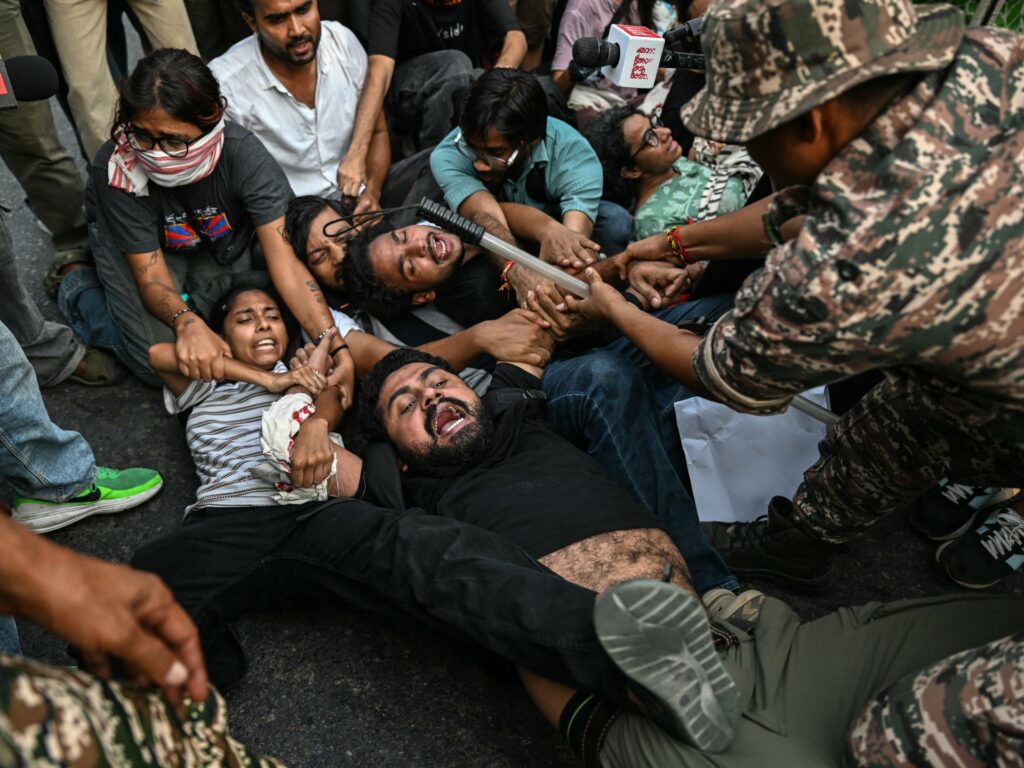
Thousands of opposition protesters have gathered in New Delhi, India, to call for the resignation of the country’s election chief. This significant demonstration reflects growing unrest and dissatisfaction among segments of the population regarding the election process. The protests have been ongoing for three consecutive days, highlighting the intensity of public sentiment.
In response to the unrest, authorities have deployed thousands of police officers and security personnel throughout central New Delhi. The deployment aims to maintain order and prevent any escalation of violence during the large-scale demonstrations.
The protesters accuse the election chief of mishandling the electoral process, raising concerns about fairness and transparency. They believe that these issues undermine the democratic process and threaten the integrity of India’s elections.
The Indian Election Commission, headed by the election chief, is responsible for overseeing the conduct of elections across the country. It ensures that elections are free, fair, and transparent, which are fundamental to India’s democratic framework.
The situation in New Delhi is tense as the police presence is highly visible, with checkpoints and barricades set up to manage the flow of protesters and to secure key government buildings. Authorities have emphasized the importance of peace and have urged protesters to express their views respectfully.
This episode is part of a broader political debate occurring in India, where opposition groups have voiced frustrations over various electoral and governance issues. The calls for the election chief to step down are part of these larger political struggles.
Analysts suggest that these protests may influence upcoming political developments, potentially prompting reforms within the electoral body. Public scrutiny on election practices is high, and the government faces pressure to reassure citizens about its commitment to democratic principles.
The government has not yet responded officially to the demands made by the opposition regarding the election chief’s resignation. However, it has reiterated its commitment to upholding the rule of law and the integrity of the election process.
As India prepares for future elections, the role of the election commission and its leadership will continue to be a focal point of political discourse. The ongoing protests underscore the vibrant and often contentious nature of democracy in the world’s largest democracy.
The coming days are critical as stakeholders from all sides watch closely to see how the situation develops and whether the demands for change will be met. The Indian public, political parties, and international observers are all paying close attention to these events in the national capital.