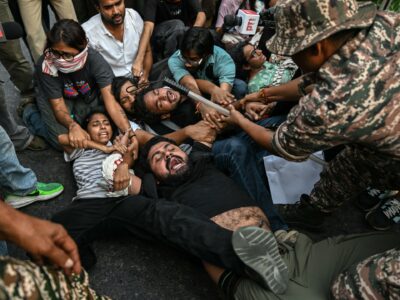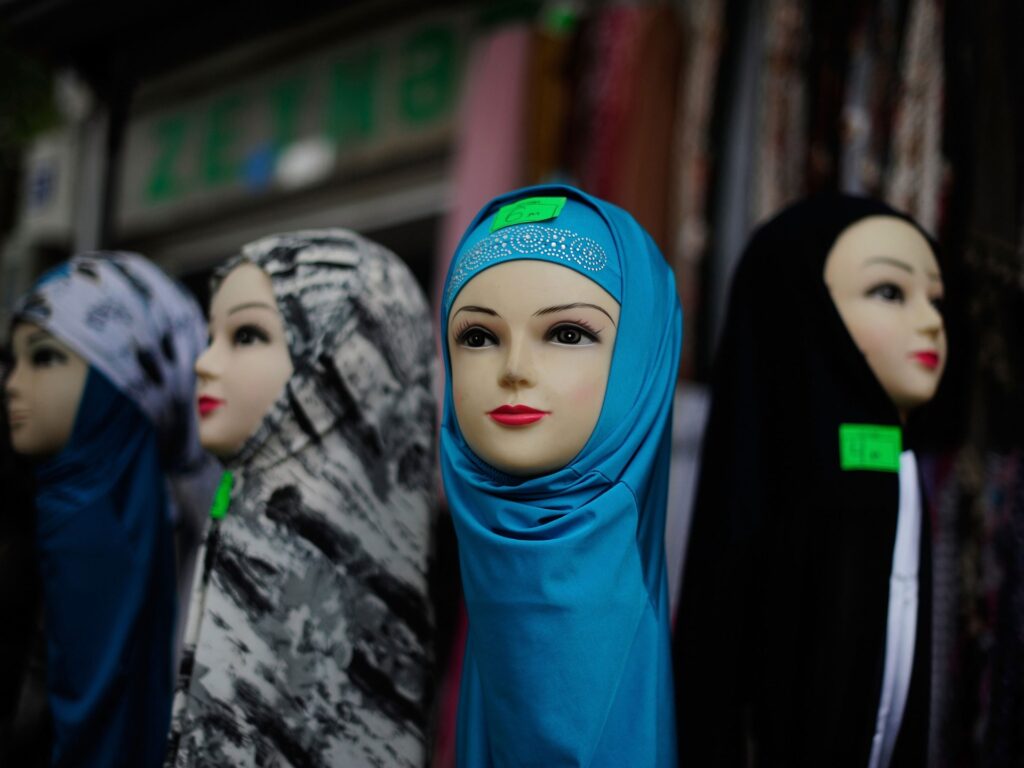
Recent developments in Azerbaijan have sparked significant national and international attention following the introduction of a ban on wearing hijabs in certain schools. This new policy has ignited protests and debates, reflecting deep social and political undercurrents within the country.
The ban on the hijab in schools is a government response aimed at enforcing secular principles in public institutions, an issue that has historically been sensitive in many post-Soviet states. Azerbaijan, which secularized rapidly after gaining independence, sees this step as a means to maintain secularism in educational spaces. The government argues that banning religious symbols like the hijab in schools is necessary to prevent any form of religious influence or division among students and teachers.
However, the policy has not been uniformly welcomed. The immediate effect has involved protests by students, parents, and educators who view the ban as a violation of personal freedoms and religious rights. Some schools have witnessed confrontations when students and teachers attempted to attend classes wearing the hijab, only to be turned away or instructed to remove them. These incidents have led to heightened tensions and raised questions about the balance between religious rights and secular governance.
Azerbaijan is home to a predominantly Muslim population, and for many, the hijab is not only a religious symbol but also a matter of personal identity and cultural expression. The ban has therefore provoked a broader discussion about minority rights, freedom of expression, and the role of religion in public life. Critics argue that the policy could alienate religious communities and exacerbate social divisions.
On the other hand, supporters of the ban emphasize the importance of a clear secular framework in education, arguing that schools should be neutral grounds free from any religious or political symbolism. They contend that this approach helps preserve national unity and prevents potential conflicts fueled by sectarian differences.
International human rights organizations have called on the Azerbaijani government to reconsider the ban and ensure that any restrictions on religious expression comply with global human rights standards. They highlight the need for dialogue and inclusive policymaking that respects the diverse nature of Azerbaijani society.
Looking ahead, the situation remains fluid. The Azerbaijani government faces pressure both domestically and internationally to address the concerns raised by the hijab ban. Finding a balanced approach that respects secular principles while safeguarding individual freedoms will be key to resolving this controversy.
Potential next steps might include policy revisions, stakeholder consultations, and perhaps legal challenges. The ongoing protests reflect broader societal debates about identity, freedom, and the state’s role in regulating religious expression.
In summary, Azerbaijan’s school hijab ban is more than a simple dress code issue; it touches on complex themes of religion, secularism, human rights, and national identity. How the country navigates this challenge will have important implications for its social cohesion and international reputation.