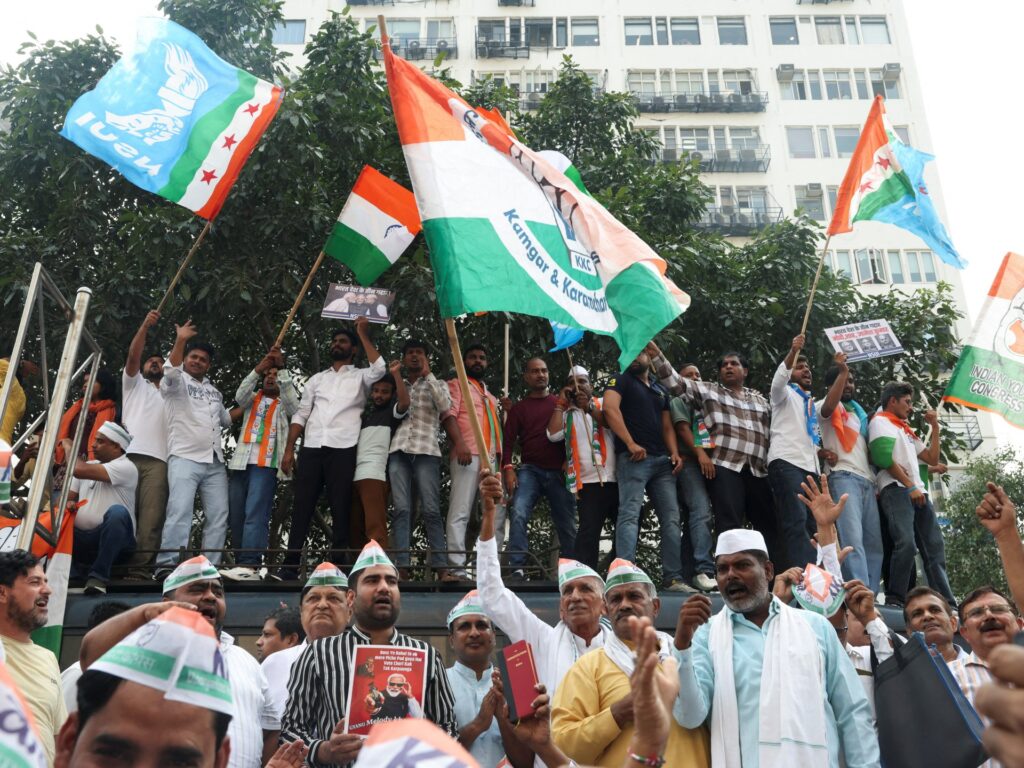
In a significant political development, the main opposition party in India, the Congress, has organized a march to the Supreme Court demanding the removal of the Chief Election Commissioner. This rally marks a critical moment in Indian politics as the opposition raises concerns about the impartiality and conduct of the election authority.
The Congress party, along with other opposition groups, has alleged that the Chief Election Commissioner has compromised the fairness of the election process. They accuse him of bias and a lack of transparency that potentially undermines democracy in one of the world’s largest and most vibrant electoral systems.
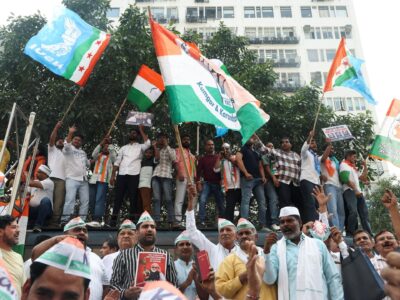
The rally saw a massive turnout as protesters gathered, highlighting widespread dissatisfaction with the current electoral oversight. The opposition leaders argued that the election commission’s decisions have been increasingly skewed, impacting the free and fair conduct of elections.
This protest is taking place during a period of heightened political tension, with upcoming national and state elections adding urgency to the demands for reform. The opposition insists that the Supreme Court intervene by ordering the removal of the Chief Election Commissioner or by taking other corrective measures to ensure the integrity of the election process.
Supporters of the opposition argue that such action is necessary to preserve democratic norms and maintain public confidence in the electoral system. They maintain that an independent and impartial election commission is crucial for the health of Indian democracy.
Meanwhile, the ruling party has dismissed the allegations as politically motivated, defending the Chief Election Commissioner’s record and the overall election process. The government emphasizes that the Election Commission operates independently and in accordance with the law.
Legal experts suggest that the Supreme Court’s decision on this matter could set a significant precedent regarding the checks and balances on electoral authorities in India. The judiciary is expected to carefully examine the allegations and the evidence presented by the opposition.
Public opinion appears divided, with some citizens expressing concern over the election commission’s actions, while others trust the institution to remain unbiased. The ongoing debate reflects broader anxieties about governance, transparency, and the role of institutions in safeguarding democracy.
The protest in front of the Supreme Court has been peaceful so far, with demonstrators calling for justice and greater accountability. Security arrangements around the court have been heightened to manage the large crowds and ensure order.
This rally is just one part of a larger pattern of political activism in India, where civil society and political groups frequently mobilize to address grievances and influence public policy.
Observers will be closely monitoring the Supreme Court’s response to this unprecedented appeal. The ruling could influence future electoral reforms and the structure of election oversight in India.
As the situation develops, all eyes remain on the highest court in the land, whose verdict will likely shape the political landscape significantly in the months to come.