The cities of Ceuta and Melilla, Spanish enclaves on the northern coast of Africa, have long been focal points of territorial dispute between Spain and Morocco. The debate over these cities not only encompasses issues of sovereignty but also cultural and historical identity, as reflected in the differing names used by Spain and Morocco.
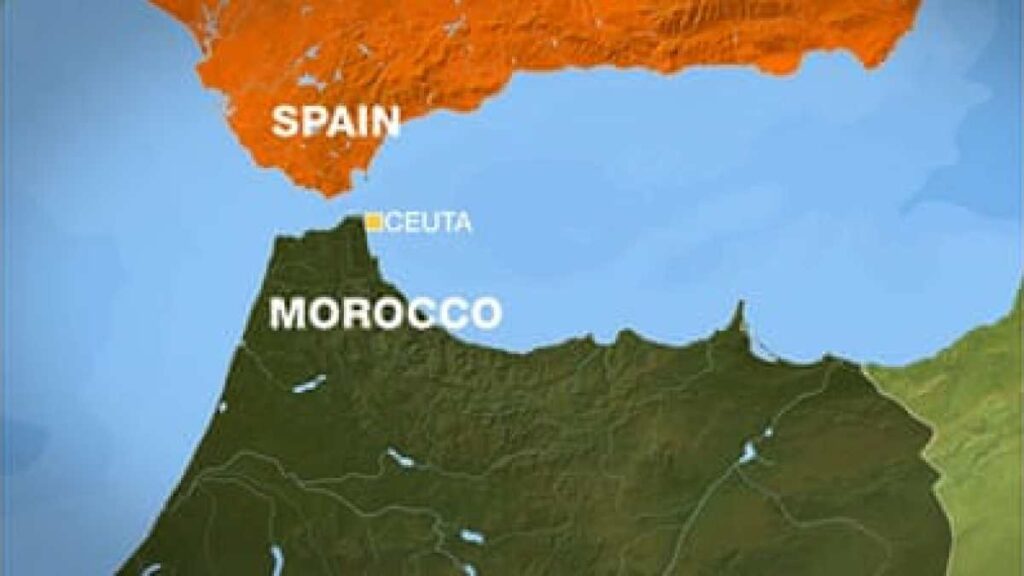
Ceuta, known as Sebta in Arabic, is a Spanish city situated on the North African Mediterranean coast, directly across the Strait of Gibraltar. Its strategic location has made it a critical military and trading post throughout history. Spain has controlled Ceuta since the 15th century, and it is officially recognized as part of Spanish territory, functioning as an autonomous city.
Morocco, however, claims sovereignty over Ceuta (Sebta), viewing the Spanish presence as a colonial holdover that should be integrated into the Moroccan state. The Moroccan government refers to the city as Sebta, emphasizing their claim and cultural ties to the region. This disagreement has persisted for decades, simmering under diplomatic exchanges and occasionally flaring up in public discourse.
The dual naming of the city symbolizes this contested identity. The name Ceuta is derived from the Spanish tradition and historical records, while Sebta is rooted in Moroccan Arabic, reflecting the city’s indigenous and geographic context. This duality is more than linguistic; it embodies a deeper struggle over national identity, sovereignty, and regional power dynamics.
In recent years, the issue has gained renewed attention. King Felipe VI’s first official visit to Ceuta and Melilla as king brought the dispute into sharp focus. The visit underscored Spain’s intent to affirm its sovereignty over these enclaves, a move met with a cold response from Rabat, Morocco’s capital.
The dispute involves not only national pride but practical concerns over border control, immigration, and security. Ceuta and Melilla serve as entry points into Europe from Africa, making them critical in discussions about migration policies. Both Spain and Morocco navigate these complex issues while maintaining their claims to the territory.
Despite tensions, the cities maintain vibrant, multicultural communities where Spanish and Moroccan influences intermingle in daily life. This cultural blend persists amid geopolitical conflicts and adds another layer to the cities’ unique identities.
The ongoing dispute over Ceuta/Sebta exemplifies the challenges inherited from colonial histories and the complexities of modern statehood. The future status of these cities depends on diplomatic negotiations, regional cooperation, and perhaps the evolving political landscapes within Spain and Morocco.
Understanding why one city has two names and the disputed status requires acknowledging centuries of history, cultural intersections, and competing national narratives. Ceuta or Sebta is more than a geographic location—it is a symbol of broader historical and political currents shaping the Mediterranean region.