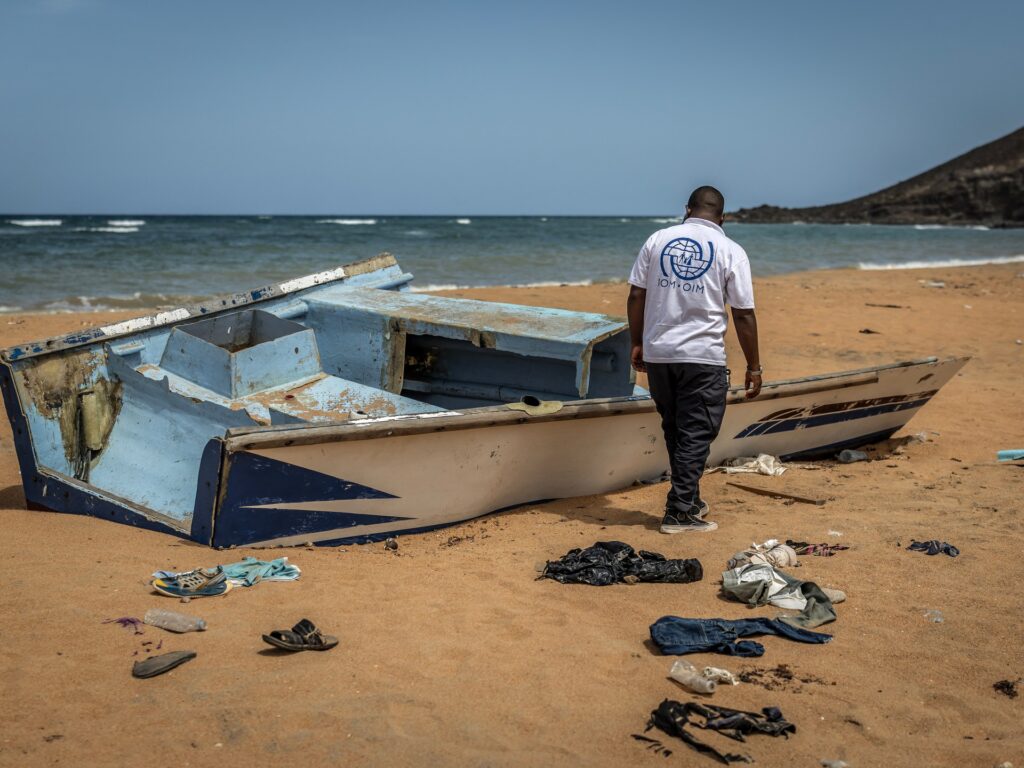
A devastating maritime disaster struck off the coast of Djibouti when a migrant boat carrying more than 300 people capsized near the Guhere area, leading to a significant loss of life and prompting extensive search and rescue operations.
According to authorities, at least 139 individuals are confirmed dead, with 84 still reported missing following the incident. The boat was reportedly overcrowded, carrying migrants who were attempting a perilous journey by sea, likely seeking refuge or better opportunities.
Rescue teams swiftly mobilized in the aftermath of the capsizing, launching a comprehensive search to locate survivors and recover bodies. The challenging conditions at sea and the large number of passengers complicated rescue efforts, but responders worked tirelessly to manage the crisis.
The tragedy highlights the ongoing risks faced by migrants undertaking dangerous maritime routes. Overcrowded vessels, rough seas, and insufficient safety measures often lead to such catastrophic events in this region, underscoring the urgent need for improved maritime safety protocols and international cooperation to address migration issues.
Local authorities and humanitarian organizations are coordinating efforts to provide assistance to survivors and support the families of those affected. Calls for enhanced monitoring of migrant vessels and strengthened rescue capacities have been echoed by experts and activists alike.
This incident is a grim reminder of the human cost associated with migration routes passing through the Horn of Africa. It emphasizes the necessity for comprehensive strategies to ensure the safety and dignity of migrants, alongside efforts to tackle the root causes of migration.
As investigations continue, more information is expected to emerge about the circumstances leading to the boat’s capsizing. Meanwhile, the region mourns the heavy toll and looks towards measures that could prevent such tragedies in the future.