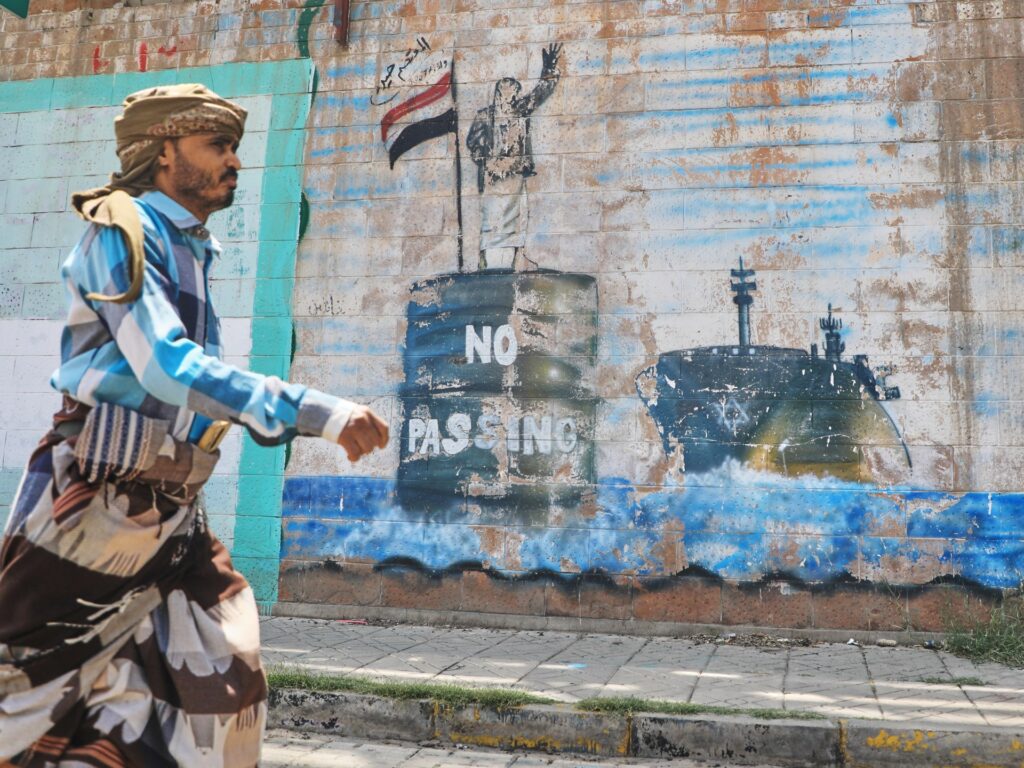
Sanaa, the capital of Yemen, is currently engulfed in fear and uncertainty as it faces intense and relentless bombing. This escalation follows a recent announcement by the Yemeni government, which declared the launch of a campaign aimed at reclaiming the capital from Houthi control. The conflict has drastically intensified, putting the lives of countless civilians at grave risk and exacerbating an already dire humanitarian crisis.
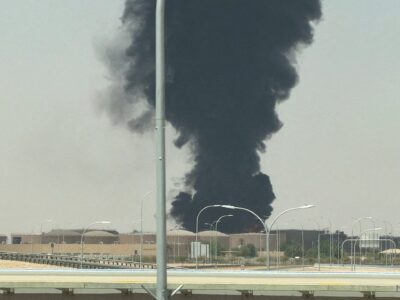
The city, home to millions, has endured a series of devastating airstrikes and shelling since the start of the campaign. Residential neighborhoods, markets, and critical infrastructure have been severely affected, with reports of widespread destruction becoming common. Civilians, caught in the crossfire, are struggling to find safety, with many forced to flee their homes amidst the chaos.
Humanitarian agencies have expressed grave concerns about the deteriorating situation. Access to essential services such as healthcare, clean water, and food has been severely disrupted. Many hospitals are overwhelmed and under-resourced, unable to cope with the rising number of casualties. The ongoing hostilities make it increasingly difficult for aid organizations to deliver emergency relief.
The conflict’s roots are deeply entrenched in Yemen’s complex political landscape. The Yemeni government, supported by an international coalition, is attempting to wrest control from the Houthi movement, which has held sway over the capital for several years. This campaign represents a significant shift in the dynamics of the conflict, raising fears of prolonged fighting and further civilian suffering.
Local residents have shared harrowing accounts of life under attack. Many describe nights spent in fear, unable to sleep as bombs fall and buildings shake. Schools have closed, and many people are unable to work or access necessary supplies, compounding the daily struggle for survival.
International reactions have varied, with calls for ceasefires and negotiations becoming more urgent. Several countries and organizations have urged all parties to adhere to international humanitarian law and protect civilian lives. Diplomatic efforts are ongoing, but a clear resolution remains elusive.
The worsening conflict in Sanaa highlights the broader humanitarian disaster facing Yemen, a country already plagued by years of war, famine, and disease. As violence escalates in the capital, the prospects for peace appear increasingly distant. The immediate priority for the international community is to secure humanitarian corridors and deliver aid to those most in need.
In summary, the attack on Yemen’s capital marks a dangerous chapter in the country’s ongoing conflict. With civilians bearing the brunt of the violence, the urgent need for a peaceful solution and enhanced humanitarian assistance has never been clearer. Until stability can be restored, Sanaa’s inhabitants will continue to live under the shadow of fear and uncertainty.