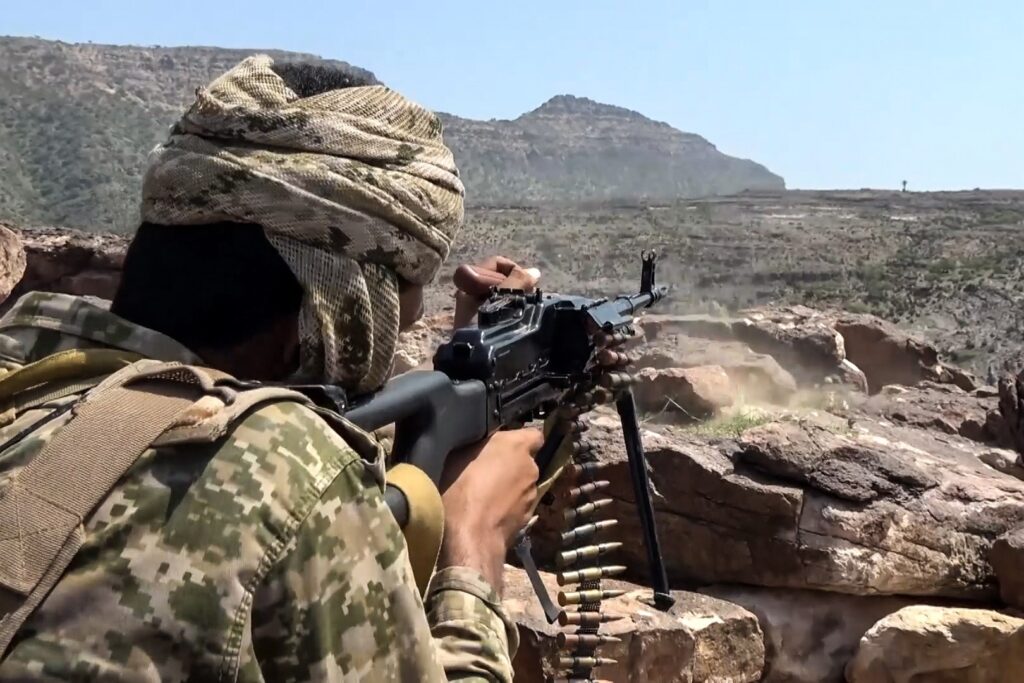
In a significant escalation of conflict in the Middle East, a deadly strike in Riyadh, Saudi Arabia, has resulted in the deaths of 12 people. The incident has further intensified the already volatile situation in the region, involving Saudi Arabia, Iran, and Houthi forces. Following the attack, the Saudi-led coalition has vowed to respond decisively, signaling the potential for further military engagements.
The strike targeted key infrastructure, specifically airports in Saudi Arabia, causing not only tragic loss of life but also disrupting vital transportation and logistics networks. This has raised concerns about the safety and security of civilian populations in the conflict zones.
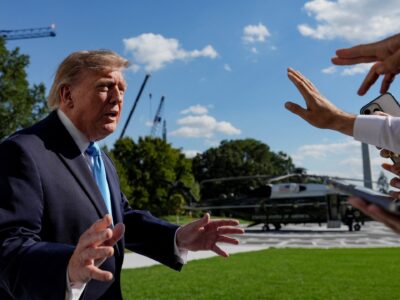
The United States, a key ally of Saudi Arabia, finds itself at a crossroads. Washington is currently debating whether to escalate its military involvement by launching strikes against the Houthi rebels, who are believed to be supported by Iran. Furthermore, discussions include the possibility of restarting direct strikes on Iranian targets as a deterrent and punitive measure.
This situation underscores the complex geopolitical dynamics in the region, where proxy conflicts and direct confrontations coexist. Iran’s influence over the Houthis presents a challenge to Saudi Arabia’s security and regional dominance, making the conflict a focal point of international diplomatic and military strategies.
The international community is watching closely as these developments unfold. The potential for a broader conflict that could engulf the Gulf region raises fears of destabilizing global oil markets and exacerbating humanitarian crises.
Efforts for diplomatic resolutions continue, with calls for ceasefires and negotiations from various global actors. However, the recent deadly attack highlights the fragility of peace efforts and the urgency for effective conflict management to prevent further loss of life.
As Riyadh mourns the victims of the latest strike, the response from the Saudi-led coalition will be critical in shaping the future trajectory of this conflict. The coming days are expected to be pivotal, with the possibility of heightened military activities and intensified diplomatic efforts to restore stability in the region.