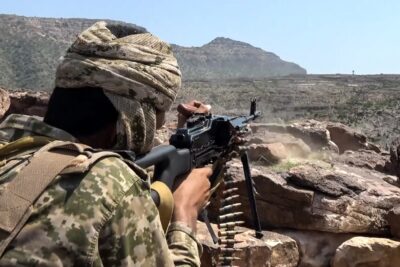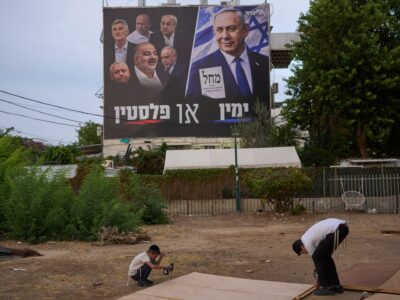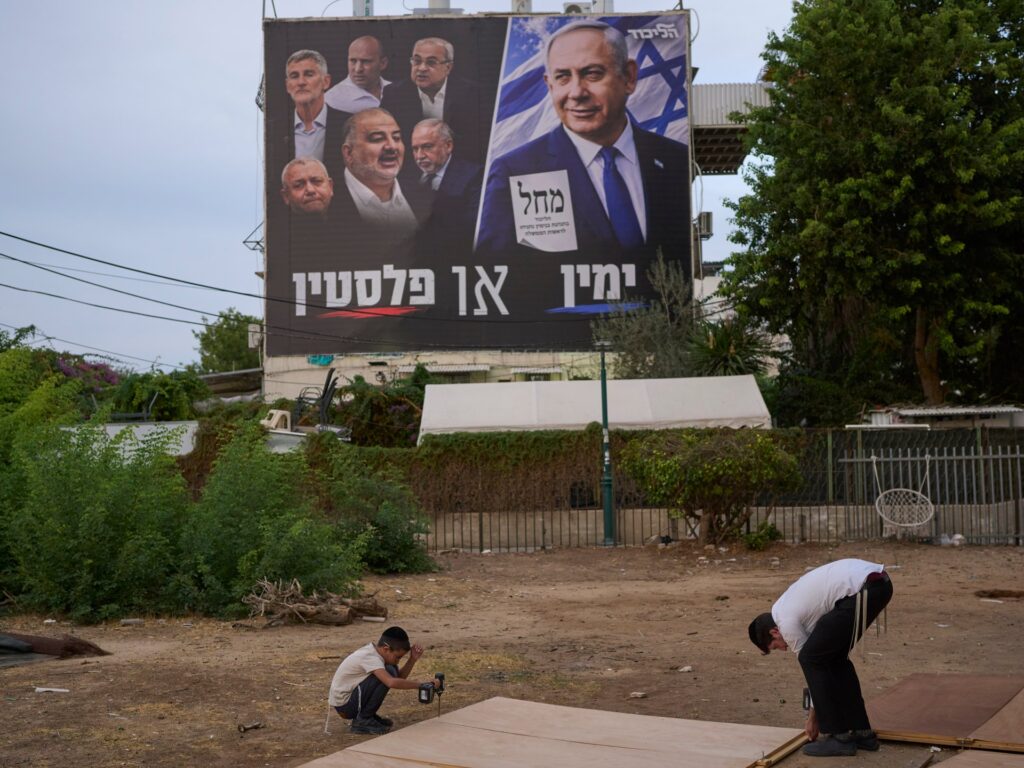
The ongoing genocidal war on Gaza is having a profound impact on Israel’s political landscape, particularly shaping the dynamics of the upcoming election. Far from signaling a call for change, the election reflects a deeper entrenchment of jingoistic sentiments that have surged since the deadly events of October 7.
On October 7, a brutal attack set off a chain reaction that unleashed widespread fears and nationalist fervor across Israel. This moment has since been used by many political factions to justify aggressive military measures and a hardline stance towards Gaza. The election campaign has become less about policy reform or peace initiatives and more about rallying support through appeals to patriotism and security.
Political parties are leveraging the war narrative to consolidate their voter base, emphasizing strength and resilience against perceived threats. This has sidelined moderate voices and diminished discussions on diplomatic solutions or humanitarian concerns for Palestinians.
Furthermore, the perpetual state of conflict has created an environment where dissent is often equated with disloyalty, pressuring voters to support candidates promising robust military responses. As a result, the election is shaping up as a contest to prove who can be the fiercest defender of Israel rather than who can offer progressive governance.
This atmosphere diminishes prospects for peace and exacerbates divisions within Israeli society and between Israelis and Palestinians. The hardening of attitudes has also strained Israel’s international relations, with global responses ranging from support to condemnation.
In summary, Israel’s election is not a harbinger of change but a reflection of an entrenched political climate dominated by jingoism and militarism, fueled by the tragic and violent aftermath of the events of October 7, with dire implications for the region’s future.