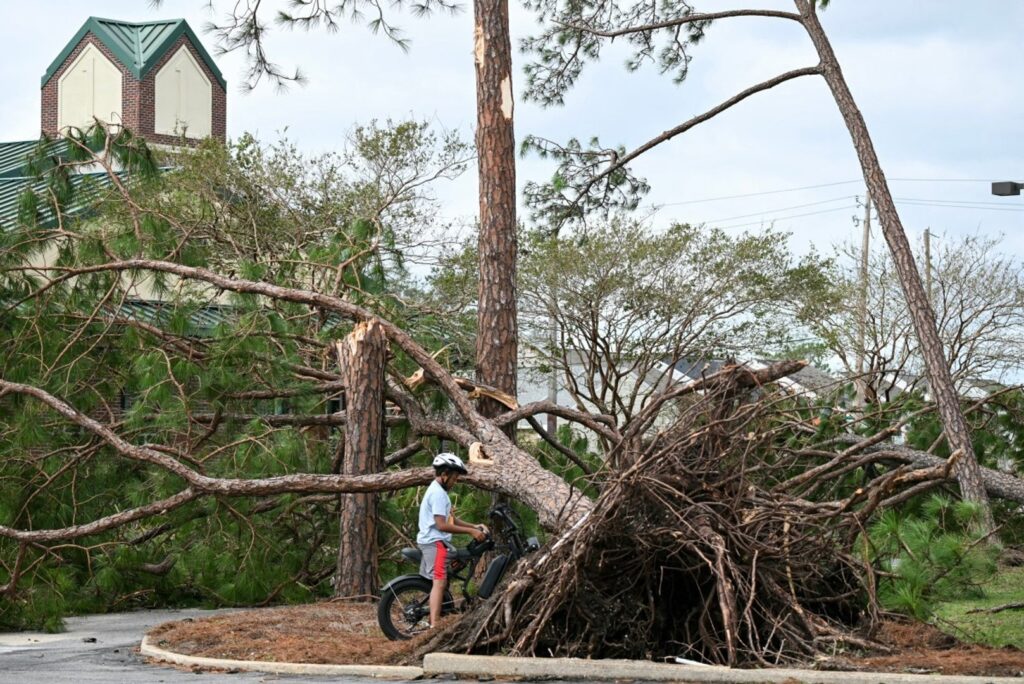
Hurricane Isaias has wrought significant devastation as it swept through Florida, leaving a grim toll in its wake. The storm has tragically claimed the lives of four individuals, underscoring the severe impact of this natural disaster. In addition to the loss of life, Isaias has disrupted the lives of hundreds of thousands more, causing widespread power outages that have affected over 650,000 residents across the state.
As Hurricane Isaias moved through Florida, its powerful winds and heavy rains caused tremendous damage to infrastructure, including power lines and utility poles. Utility companies have been scrambling to restore electricity, but the scale of the outages presents a massive challenge. Many homes and businesses remain dark, leading to significant disruptions in daily life and economic activities.
Emergency services have been mobilized to respond to the crisis, focusing on clearing debris, restoring power, and providing assistance to those affected. Authorities have urged residents to stay vigilant and adhere to safety guidelines as after-effects of the hurricane continue, including potential flooding and falling trees.
The storm’s impact extends beyond Florida, with other states preparing for possible adverse weather conditions. Meteorologists continue to monitor Isaias’ trajectory and intensity, providing updates to ensure readiness and safety.
This hurricane serves as a stark reminder of the power of natural disasters and the importance of preparedness and resilience. Communities across Florida and the impacted areas are rallying together to recover and rebuild, even as they mourn the loss of life and face the ongoing challenge of restoring normalcy.
Officials have also emphasized the need for continued support and resources to adequately handle the recovery efforts. Assistance from federal and state governments, alongside community organizations, will be crucial in addressing the immediate needs and long-term recovery plans.
As efforts to restore power and services continue, residents are encouraged to check on neighbors, especially the vulnerable and elderly, and to follow local advisories closely. The road to recovery may be long, but the collective spirit of affected communities provides hope for rebuilding stronger and more resilient than before.