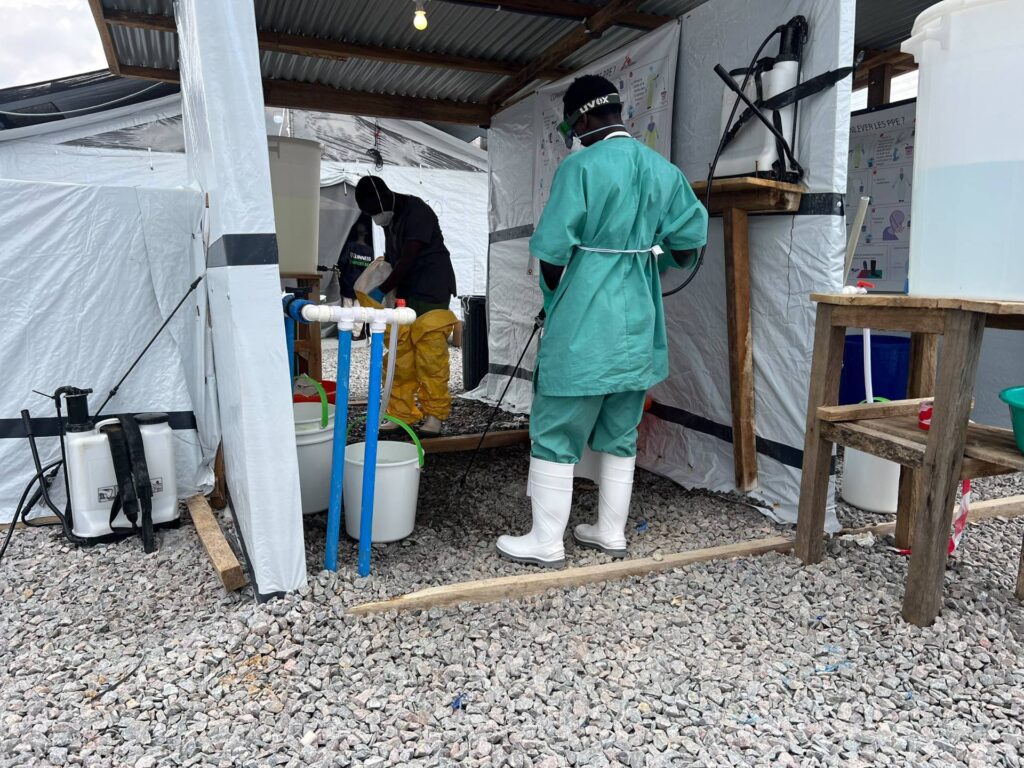
The resurgence of Ebola virus disease (EVD) in eastern Democratic Republic of Congo (DRC) has raised alarms among health authorities and global health organizations. Recent reports indicate new cases in the conflict-prone and densely populated provinces of eastern DRC, a region that has periodically battled outbreaks of this deadly virus over the past decade.
In a concerning development, Kenya has confirmed its first imported case of Ebola, underscoring the challenges of containing the virus within a limited geographic area. This case was identified in a traveler from eastern DRC, highlighting the risks posed by cross-border movements in the region.
Ebola virus is a severe and often fatal illness in humans, transmitted through direct contact with bodily fluids of infected people or contaminated objects. Early symptoms include fever, fatigue, muscle pain, and headaches, progressing to vomiting, diarrhea, and in severe cases, internal and external bleeding. Without prompt and effective intervention, Ebola outbreaks can overwhelm local health infrastructures.
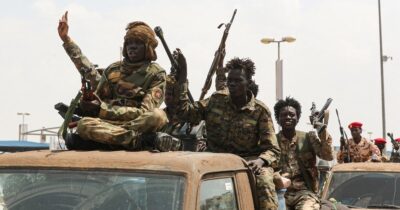
The recent emergence of new Ebola cases in eastern DRC is particularly alarming due to the area’s ongoing socio-political instability and the presence of armed groups, which complicate vaccination and containment efforts. Health workers face significant security challenges that hinder their ability to conduct contact tracing, isolation of patients, and safe burials.
Kenya’s confirmed imported case, which has resulted in a fatality, represents the first instance of Ebola in the country linked directly to the current outbreak in DRC. Kenyan health authorities acted swiftly to isolate the patient and initiate contact tracing, but the event exposes vulnerabilities in regional disease surveillance and the risks posed by international travel amid outbreaks.
The World Health Organization (WHO) and other international partners have mobilized resources to support DRC’s response efforts, including vaccination campaigns, community awareness, and strengthened surveillance at borders. Vaccines have proven effective in curbing transmission when deployed rapidly and extensively.
However, the evolving nature of the outbreak, combined with challenges like misinformation and community resistance in affected areas, continues to hamper efforts. Misinformation about Ebola fuels fear and distrust, leading some populations to avoid health services or reject vaccination.
Additionally, the health systems in DRC and neighboring countries like Kenya are often under-resourced and overwhelmed by the dual burdens of endemic diseases and emerging outbreaks. This underscores the importance of international solidarity and sustained investment in global health security.
Experts warn that without prompt containment, the virus could spread to other countries in the region, exacerbating economic and social disruptions. Cross-border coordination and unified public health messaging are essential in mitigating the spread.
The imported case in Kenya serves as a stark reminder that infectious diseases do not respect borders. It highlights the interconnectedness of regional health and the need for vigilant surveillance, rapid response, and preparedness plans.
Public health authorities urge travelers to affected regions to take precautions, seek medical attention if symptoms develop, and adhere strictly to public health guidelines.
Community engagement and culturally sensitive communication are pivotal in building trust and ensuring compliance with preventive measures.
In conclusion, the spread of Ebola in eastern DRC and the imported case in Kenya emphasize the complexity of controlling outbreaks in regions with fragile health systems and security challenges. Global and regional collaboration remains crucial to halt transmission, save lives, and prevent further spread of this deadly disease.