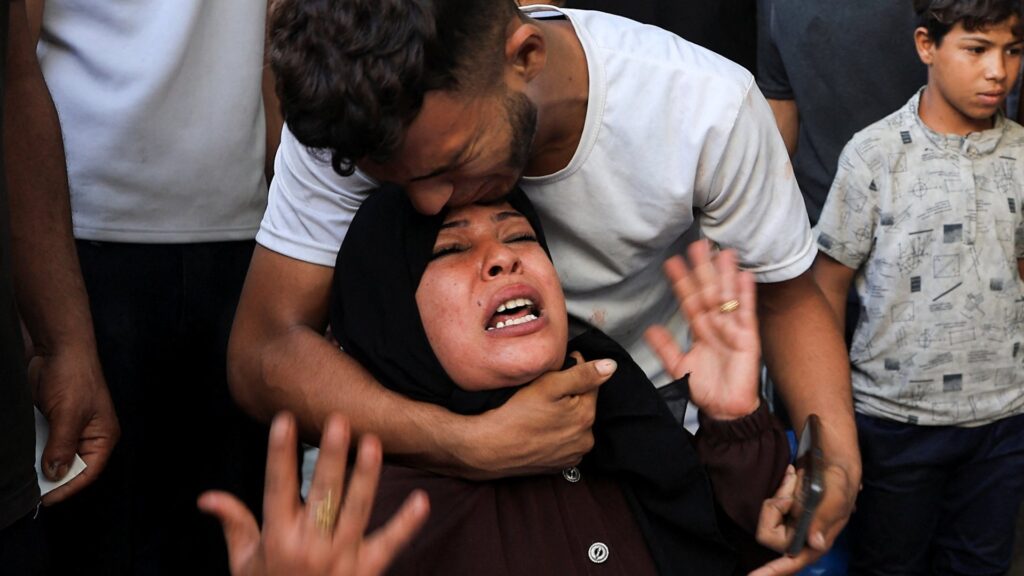
One year to the day after a ceasefire agreement was brokered by the United States to halt hostilities between Israel and Palestinians in Gaza, violence has tragically continued, with more Palestinians being killed in recent Israeli attacks. The ceasefire, intended to bring lasting peace to the region following a period of intense conflict, has failed to fully stop the bloodshed, highlighting the fragile and volatile nature of the situation.
Since the ceasefire was announced, numerous clashes, airstrikes, and confrontations have persisted, disproportionately impacting Palestinian civilians in Gaza. This ongoing violence indicates that despite diplomatic efforts, the conflict’s underlying issues remain unresolved. The death toll on Palestinian side continues to rise, reminding the world of the urgent need for sustained peace efforts and humanitarian assistance.
The one-year mark of the ceasefire serves as a stark reminder of the challenges faced in achieving a comprehensive and lasting peace agreement. Analysts point out that the ceasefire merely paused active hostilities without addressing critical grievances, such as border controls, blockades, political recognition, and mutual security concerns. These unresolved issues have contributed to recurrent flare-ups of violence.
In the past year, international organizations and human rights groups have repeatedly called for renewed negotiations and an end to aggressive military actions. However, both parties have yet to reach a consensus that guarantees the safety and dignity of Palestinians living in Gaza.
Meanwhile, Palestinian families remain in a state of fear and uncertainty, grappling with the loss of loved ones and the destruction of homes and infrastructure. The humanitarian situation in Gaza remains dire, with limited access to essential resources such as clean water, medical supplies, and electricity.
The cycle of violence and retaliation underscores the urgent need for international actors to intensify peacebuilding measures. Advocates stress that without addressing the root causes of the conflict, including economic hardships and political disenfranchisement, ceasefires will continue to be temporary and fragile.
At the same time, Israeli security concerns persist, with repeated rocket fire and border breaches prompting defensive measures. The complex and deeply entrenched nature of the conflict means that both sides have significant obstacles to overcome to achieve lasting peace.
Experts suggest a multilayered approach involving diplomatic engagement, economic support, and grassroots reconciliation initiatives could pave the way toward sustainable peace. These efforts must prioritize human rights, mutual recognition, and economic development to create an environment where ceasefires evolve into permanent peace agreements.
The international community remains hopeful that the anniversary of this ceasefire will catalyze renewed commitment to ending the cycle of violence and fostering dialogue. Until then, the people of Gaza face ongoing hardship, as the promise of peace remains incomplete and the cost in human lives continues to mount.