In the midst of this year’s olive harvest season, tensions have escalated as Israeli settlers reportedly attacked Palestinian olive farmers and stole their olives. These incidents, described by local sources, highlight the ongoing conflict and challenges faced by Palestinian farmers in the region.
The olive harvest, a critical period for families relying on agriculture for their livelihood, has been marred by violence and theft. According to eyewitness accounts, settlers have entered Palestinian farmlands, forcibly taking olives and intimidating farmers as they work.
Such attacks have been reported repeatedly during the annual harvest season, underscoring a pattern of harassment against Palestinian communities. The olive tree, symbolic of Palestinian heritage and livelihood, has become a focal point of these tensions.
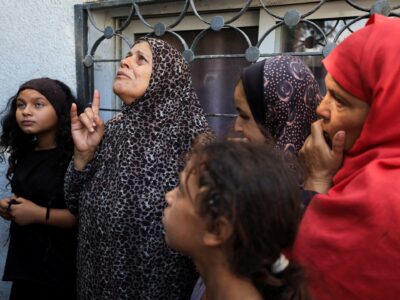
Farmers express deep distress over the attacks, noting not only the loss of valuable crops but also the psychological impact of the violence. Many rely heavily on the olive harvest for income and sustenance, making the economic damage substantial.
Local and international human rights organizations have condemned the attacks, calling for increased protection for Palestinian farmers and their properties. The incidents also draw attention to broader issues of land disputes and settler violence in the region.
The Israeli authorities have been urged to take effective measures to prevent such hostile acts and ensure the safety of Palestinian agricultural workers.
The olive harvest season, traditionally a time of community and celebration, thus becomes overshadowed by conflict, reflecting the enduring challenges in achieving peace and stability in the region.
As this year’s harvest continues, many hope for a resolution that allows farmers to tend their lands without fear, preserving both their heritage and livelihood.