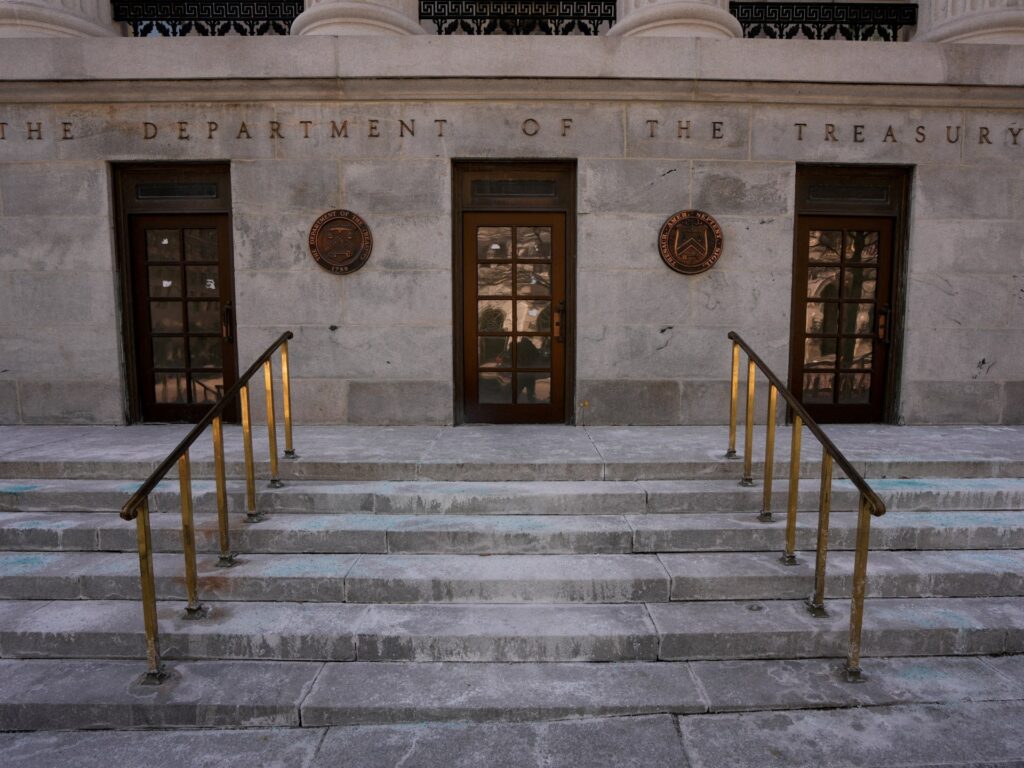
In a significant development marking a shift in the United States’ approach to Myanmar, the US government has officially lifted sanctions on the daughter of a prominent businessman with strong ties to Myanmar’s military. This move comes shortly after reports surfaced that the Trump administration has reopened diplomatic talks with the Myanmar government, signaling a potential thaw in relations.
The sanctions, originally imposed due to the businessman’s close association with the military—a key player in Myanmar’s political and economic landscape amid ongoing human rights concerns—had targeted his immediate family to curb their influence and limit resources that could support military operations.
The recent delisting of the daughter suggests a recalibration of US policy, possibly aimed at fostering engagement rather than heightened confrontation. By lifting these sanctions, the US might be seeking to encourage cooperation from influential individuals within Myanmar’s elite, aiming for progress in political dialogue and promoting stability in the region.
Experts note that such changes often come after extensive behind-the-scenes negotiations and a reassessment of strategic priorities. The timing also coincides with broader international efforts to address Myanmar’s complex political situation, including dialogue surrounding democratic reforms and human rights protections.
The lifting of sanctions is expected to have mixed reactions. Supporters argue it could open doors for more constructive engagement and economic activities that empower local actors committed to positive change. Critics, however, remain wary that removing these restrictions might inadvertently bolster the military’s financial networks, potentially undermining efforts to hold them accountable for alleged abuses.
This development underscores the delicate balancing act faced by foreign policymakers dealing with Myanmar. The US administration’s decision highlights the nuanced approach required to navigate the interplay between encouraging reforms and maintaining pressure on forces linked to past and ongoing abuses.
As the situation evolves, stakeholders within Myanmar and the international community will be watching closely. The success of this recalibrated approach depends on whether it leads to tangible improvements in governance and human rights, or if it inadvertently strengthens entrenched interests resistant to change.
Overall, the lifting of sanctions on the daughter of this military-linked businessman represents a critical moment in the US-Myanmar relationship, reflecting a strategic pivot and the complexities inherent in engaging with Myanmar’s political and economic elites. It remains to be seen how this will influence broader diplomatic efforts and the path ahead for Myanmar’s fragile transition.