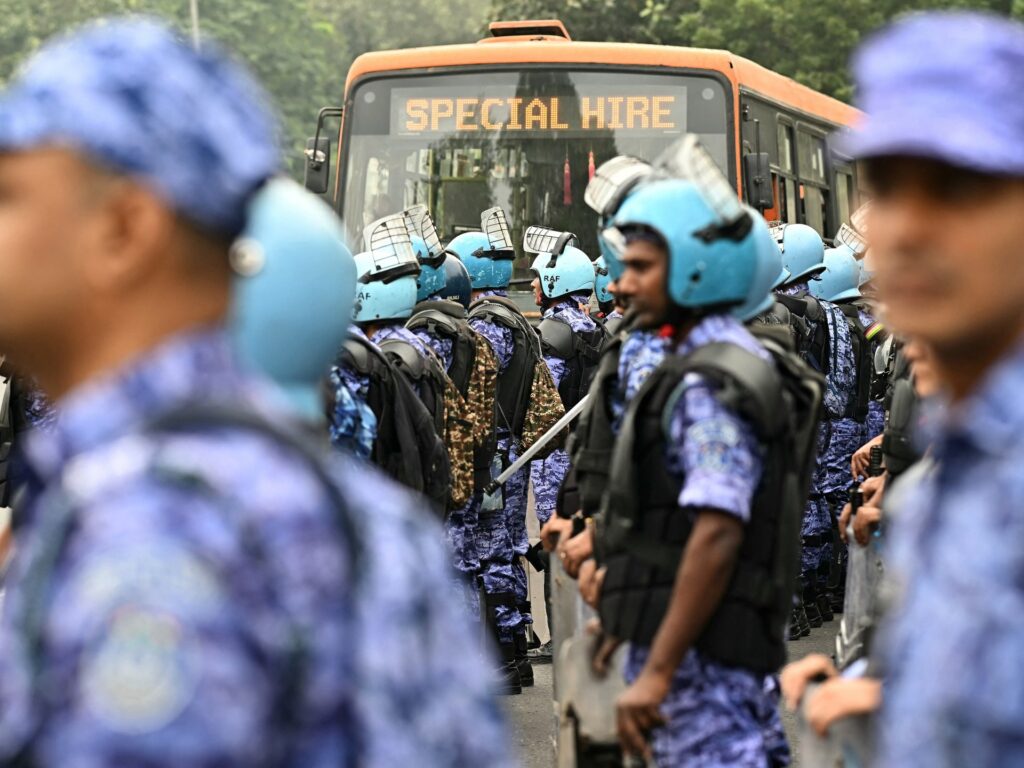
In a significant development in India’s ongoing political unrest, the police have detained leaders of the Cockroach Janta Party ahead of a planned protest in New Delhi. Among those held is the party’s founder, Abhijeet Dipke. The arrests come as tensions mount over demands for the resignation of the election chief, a move that has sparked widespread demonstrations.
The protest was organized by the Cockroach Janta Party along with allied groups to voice their grievances against the election commission’s conduct, which they allege was biased and compromised the integrity of recent electoral processes. Security forces acted proactively, detaining key figures to prevent the protest from escalating into large-scale unrest.
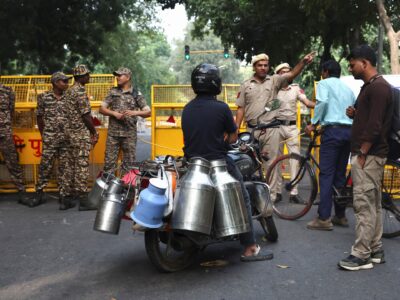
New Delhi, the nation’s capital, has been placed under a partial lockdown to maintain order and prevent disruptions. Authorities have deployed additional police forces and imposed restrictions on public gatherings, aiming to deter protesters from assembling in major areas.
The arrest of Dipke and other leaders has sparked mixed reactions across the political spectrum. Supporters of the Cockroach Janta Party have called for peaceful resistance and continue to vilify the election commission, while government officials emphasize the importance of law and order, warning against attempts to undermine democratic institutions.
This incident is part of a larger pattern of contentious political protests in India, reflecting growing dissatisfaction among certain segments of the population with the electoral system and governance. The government’s stringent measures to control protests highlight the delicate balance it seeks to maintain between ensuring security and respecting citizens’ right to dissent.
Analysts suggest the events indicate increasing polarization in India’s political landscape, with opposition parties seeking to capitalize on public discontent. The Cockroach Janta Party’s bold stance underscores a challenge to the status quo, signaling potential for further mobilizations if their demands are not addressed.
International observers have expressed concern over the use of preventive detentions and lockdowns, urging Indian authorities to uphold democratic freedoms while managing civil order. The coming days are expected to reveal how the situation evolves, with the possibility of negotiations or heightened confrontation.
In summary, the detention of Cockroach Janta Party leaders including Abhijeet Dipke and the lockdown in New Delhi mark a critical juncture in India’s political turmoil. The protest aimed at pressing for the election chief’s resignation highlights ongoing struggles over electoral legitimacy and governmental accountability within the world’s largest democracy.