In recent developments, former U.S. President Donald Trump has made a bold declaration regarding ongoing international conflicts. Trump stated his expectation to swiftly ‘settle or win’ the wars involving Iran and the Russia-Ukraine situation. His remarks come amid heightened global tensions and ongoing diplomatic challenges in both regions.
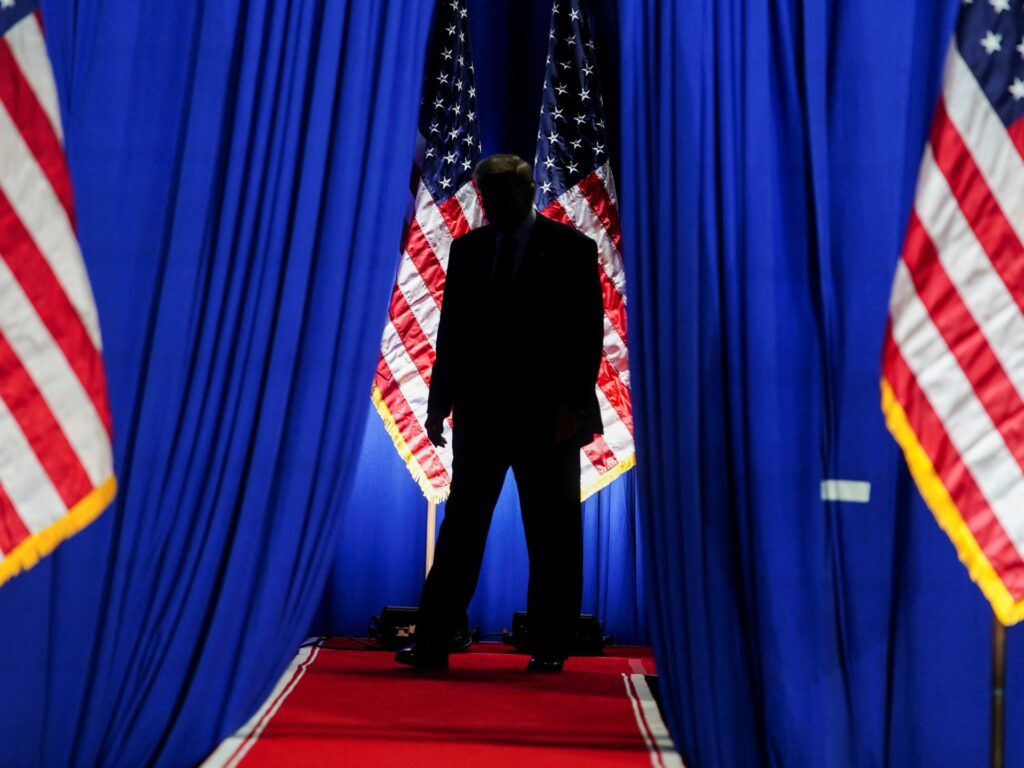
Trump’s comments were made during a public appearance where he addressed current geopolitical issues. He emphasized the need for decisive action and expressed confidence in achieving rapid resolutions to these complex conflicts.
The Iran conflict has been a long-standing issue involving political, military, and economic dimensions. Tensions between the United States and Iran have persisted for years, marked by disputes over nuclear programs, sanctions, and regional influence.
Simultaneously, the Russia-Ukraine war has escalated into a significant international crisis, drawing attention worldwide. The conflict began in 2014 with Russia’s annexation of Crimea and has expanded over time, leading to large-scale military engagements and diplomatic efforts to negotiate peace.
Trump’s assertion to ‘settle or win’ both conflicts suggests a more aggressive and results-oriented approach to foreign policy. This stance contrasts with the often protracted negotiations and international diplomacy currently in place.
Experts and analysts are examining the implications of Trump’s statements for U.S. foreign policy and global stability. Some view his comments as signaling a potential shift towards a more interventionist strategy, while others caution against oversimplifying the complexities of these conflicts.
The international community continues to watch closely as events unfold. Diplomatic channels remain active, and efforts to de-escalate tensions are ongoing. However, Trump’s remarks remind the world of the persistent challenges in achieving lasting peace in volatile regions.
Both Iran and Ukraine conflicts involve multiple stakeholders with entrenched positions, making resolutions difficult. The path to peace requires nuanced negotiation, understanding of historical grievances, and cooperation among international powers.
As Trump commits to a quick settlement or victory, many await clarification on his proposed strategies and policies. The effectiveness and consequences of such an approach will likely be debated among policymakers and global leaders.
In summary, Donald Trump’s vow to promptly ‘settle or win’ the Iran and Russia-Ukraine conflicts highlights the ongoing complexities and high stakes of international diplomacy. His comments underscore the desire for swift resolutions but also reflect the challenges inherent in managing longstanding geopolitical disputes.