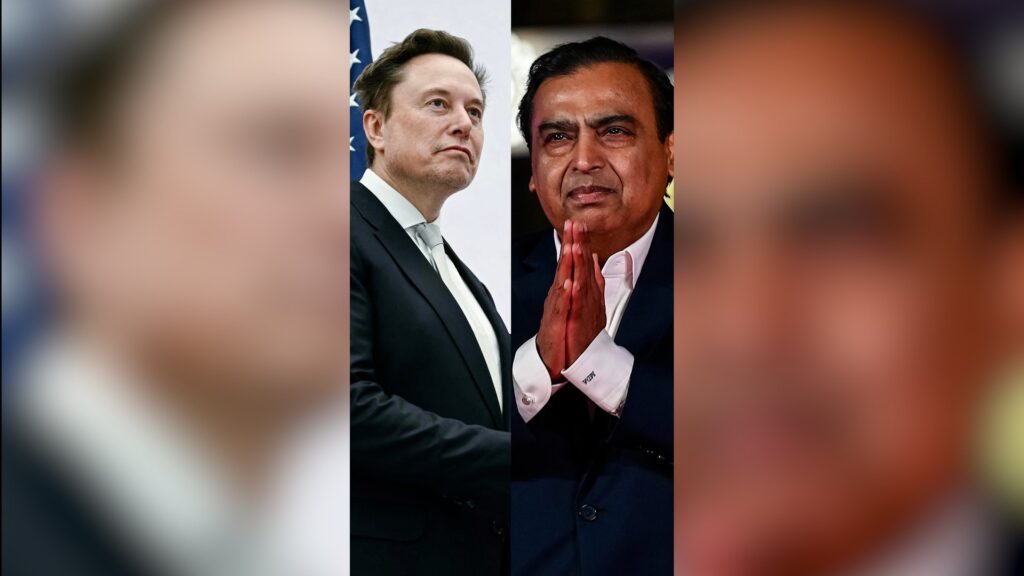
Elon Musk, the CEO of SpaceX and Tesla, recently voiced his frustration over the delays faced by Starlink, SpaceX’s satellite internet project, in entering the Indian market. The billionaire accused Mukesh Ambani, the chairman of Reliance Industries and one of India’s richest men, of acting as India’s “real boss” behind the scenes, implying his influential role in impeding Starlink’s launch in the country.
Starlink, which aims to provide high-speed satellite internet connectivity across the globe, has faced regulatory hurdles and delays in India. Despite the global rollout of Starlink services, the Indian government’s approval process has been notably slow, hindering the company’s plans to bring satellite internet to rural and underserved areas across the nation.
Musk’s direct criticism of Ambani highlights the significant influence large conglomerates like Reliance Industries have in India’s telecommunications sector. It suggests a potential conflict of interest, as Reliance Jio, a major player in the Indian telecom industry owned by Ambani, could face competition from Starlink’s satellite services.
The rivalry underscores the ongoing battle between traditional telecom providers and emerging satellite internet technologies. While Starlink promises broader coverage and faster connectivity, established companies may resist changes that threaten their market dominance.
India’s vast geography and millions of internet users present a substantial market opportunity for innovative internet solutions. However, regulatory complexities and powerful local business interests can complicate entry for new technologies.
Musk’s outburst may also reflect broader frustrations with India’s bureaucratic processes. International companies often must navigate complicated regulations, inconsistent policies, and influential business entities to operate effectively in the country.
Despite the setbacks, Starlink’s ambition to expand in India remains strong. The satellite internet service could transform internet access in rural and remote regions where terrestrial infrastructure is lacking.
Industry experts note that cooperation between government bodies, local companies, and new entrants like Starlink is essential to improve India’s digital infrastructure. Streamlining regulations and fostering a competitive environment may accelerate the introduction of advanced technologies.
Musk’s remarks have sparked considerable discussion on social media and among industry stakeholders. Critics argue that incumbent players may be using their clout to block innovation, while others emphasize the importance of balanced regulation.
In summary, Elon Musk’s public criticism of Mukesh Ambani brings to light the complex interplay of technology, business, and politics in India’s rapidly evolving telecom sector. As Starlink continues to push for entry into the market, the coming months will be critical in determining how satellite internet services integrate with India’s digital ecosystem.