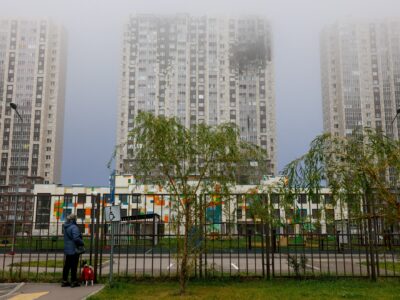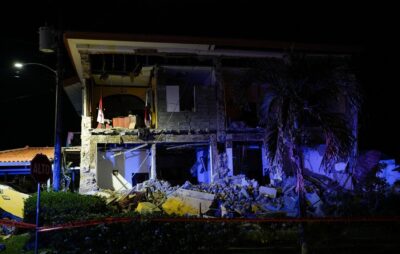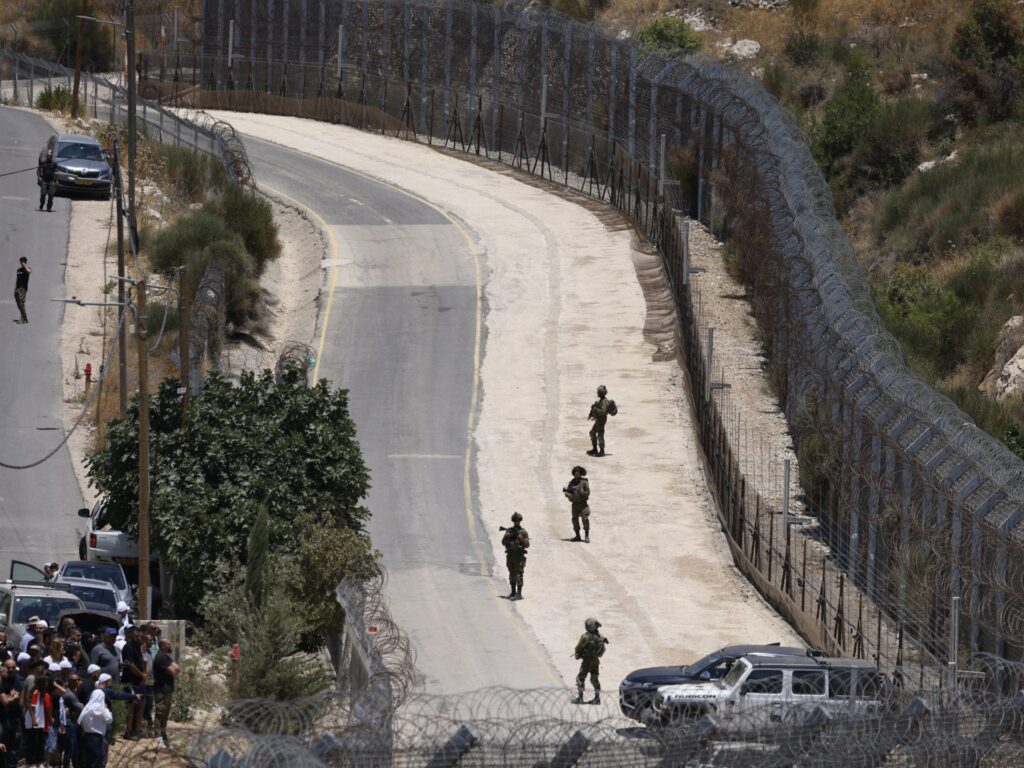
In a recent escalation of regional tensions, an Israeli drone attack targeted an area near the Lebanon-Syria border, resulting in six individuals wounded. According to Lebanon’s health authorities, the casualties include five Syrians and one Lebanese national. The attack represents the latest in a series of strikes reportedly carried out by Israeli forces in border areas, which have heightened instability and concern among local populations.
The targeted location lies close to the contentious border region where Israel, Lebanon, and Syria converge, a zone that has frequently witnessed military actions and clashes involving various armed groups and national forces. This particular attack has renewed international calls for restraint and a renewed focus on peace and diplomatic solutions in the often volatile region.
Israeli officials typically cite security concerns and the need to counter threats posed by militant factions in Lebanon and Syria, including Hezbollah and other groups seen as hostile to Israel. The recent strike is understood to be part of ongoing efforts to prevent militant buildups and attacks against Israeli territory.
The wounded individuals were promptly treated by local health services, but the incident has caused significant distress and raised fears of further escalation. The Lebanese government condemned the attack, emphasizing the need to respect Lebanon’s sovereignty and calling for international intervention to prevent further violations.
Human rights organizations have also expressed concern over the use of drones in the conflict, pointing to the risks posed to civilians and the potential for increased casualties. The drone attacks have been criticized for contributing to a cycle of violence that undermines prospects for peace in the region.
The international community has reiterated its support for Lebanon’s sovereignty and called on all parties to exercise maximum restraint. Diplomatic efforts continue as global powers push for a reduction in hostilities and renewed dialogue between the affected nations.
This incident adds to a complex and longstanding conflict dynamic in the Middle East, where overlapping political, religious, and territorial disputes create ongoing challenges for stability. The Lebanon-Syria border remains a hotspot for clashes and military activity, reflecting broader regional tensions that involve multiple state and non-state actors.
Efforts to address the root causes of the conflict continue to be a priority for international organizations and peace advocates, who stress the importance of political solutions and humanitarian support for affected civilians.
As the situation develops, close monitoring and engagement by regional and international stakeholders will be crucial to prevent further deterioration and to work towards a sustainable resolution that ensures security and peace for all communities involved.