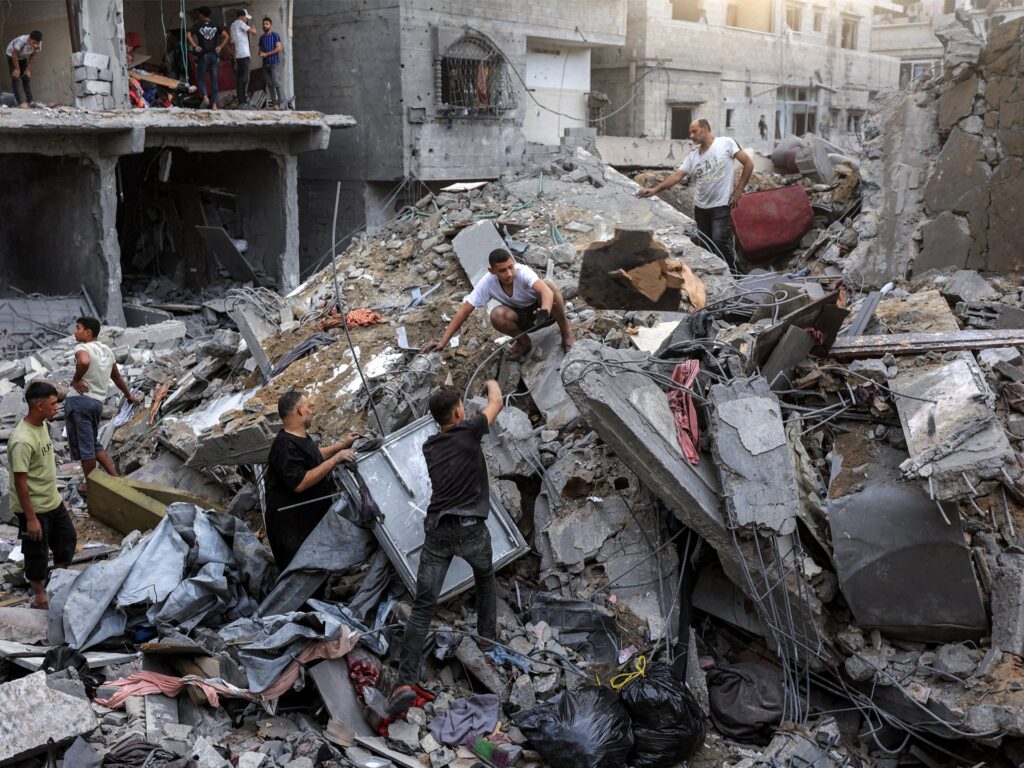
More than 100 humanitarian and human rights organizations have issued a joint statement asserting that the ceasefire in Gaza is nominal at best, as violence and restrictions continue unabated across the enclave. Despite the announcement of a ceasefire aimed at halting hostilities, these NGOs emphasize that the situation on the ground tells a different story, with ongoing killings and severe limitations on movement and aid access imposing a humanitarian crisis.
The joint statement highlights that the so-called ceasefire has failed to bring meaningful peace or security to Gaza’s residents. These organizations point out that Israeli military actions, including airstrikes and incursions, have persisted despite the ceasefire claims, resulting in civilian casualties. At the same time, stringent restrictions maintain a blockade that limits essential supplies such as food, medical equipment, and fuel from reaching vulnerable populations.
Humanitarian groups warn that the continued violence and blockade have grave consequences for Gaza’s population, exacerbating shortages in healthcare, food security, and basic services. They stress that the civilian population remains trapped in an environment where their fundamental rights are routinely overlooked and violated.
Further, the statement calls on the international community to intensify efforts to enforce a genuine ceasefire and to ensure safe and unrestricted humanitarian access in Gaza. It urges Israel to lift or ease the blockade to allow the flow of humanitarian aid and essential goods that the population desperately needs.
According to these NGOs, the current ceasefire agreement is more symbolic than effective, preventing real progress towards peace and stability. They argue that ongoing hostilities and restrictions undermine any prospect of durable resolution and risk deepening the cycle of violence.
The signatories include a broad coalition of more than 100 NGOs working in fields ranging from emergency relief and medical aid to human rights advocacy and conflict resolution. Their collective voice represents a significant concern from grassroots to global entities about the urgent need to address the deteriorating humanitarian conditions in Gaza.
This situation underscores the complex dynamics of the Israel-Gaza conflict, where political agreements frequently clash with realities on the ground. While ceasefires are often brokered to reduce immediate violence, the persistent challenges highlight the need for comprehensive approaches addressing underlying causes and ensuring accountability.
In conclusion, these humanitarian and human rights organizations stress that until substantive changes are made — including halting violence, lifting blockades, and restoring access to aid — Gaza’s ceasefire remains a fragile and largely ineffective truce, existing more in rhetoric than reality. They call for renewed international attention and action to protect civilian lives and uphold human dignity in the region.