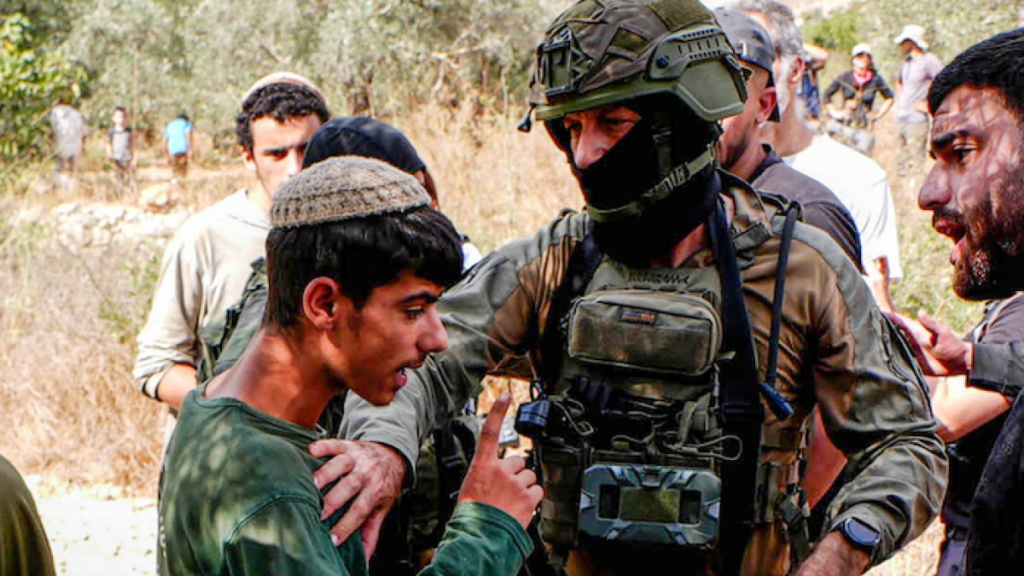
Olive harvesting season in the occupied West Bank has become a period marked by tension and insecurity for Palestinian farmers who face threats and violence from radical Israeli settlers. Year after year, these farmers, whose livelihoods depend heavily on the olive crop, endure harassment, vandalism of their groves, and sometimes physical assaults while trying to gather their olives.
The olive tree holds deep cultural and economic significance for Palestinians, symbolizing heritage, survival, and identity. The annual olive harvest is not merely an agricultural activity but a vital source of income for many families in the West Bank. However, the presence of Israeli settlers, often accompanied by aggressive behavior and attacks, has turned this season into a perilous time.
In response to the escalating incidents, Palestinian farmers are urgently calling on the international community to intervene by sending protective activist groups during the harvest. These international activists play a crucial role in deterring violence by acting as witnesses and providing a protective presence in the fields.
Over the past years, reports indicate a rise in attacks by settlers on Palestinian-owned olive groves. These attacks include uprooting or burning trees, theft of olives, and physical intimidation of farmers. Such actions have severe economic repercussions on Palestinian communities, as the olive harvest contributes substantially to their annual income.
The Palestinian Authority and local NGOs have condemned these acts and repeatedly requested increased international monitoring and intervention. Despite some efforts, farmers still often harvest under the threat of violence, requiring more robust measures to guarantee their safety and rights.
International law underscores the protection of civilians in occupied territories, and the repeated attacks during olive harvests represent a violation of these protections. The situation highlights the ongoing challenges Palestinians face under occupation, compounded by settler violence, and the urgent need for international solidarity and intervention.
The call for protection is not only about the physical security of the farmers but also about safeguarding a critical cultural and economic tradition that has been passed down through generations. The olive harvest season, with its risks and rituals, remains a testament to Palestinian resilience and their steadfast connection to their land.
As the harvest progresses, the eyes of the world are increasingly on the West Bank’s olive groves, shining a light on the struggles of Palestinian farmers and the importance of ensuring their safety and dignity during this crucial time. Without adequate protection and international support, the threats posed by violent settlers could further undermine the livelihoods and heritage of Palestinian communities in the region.