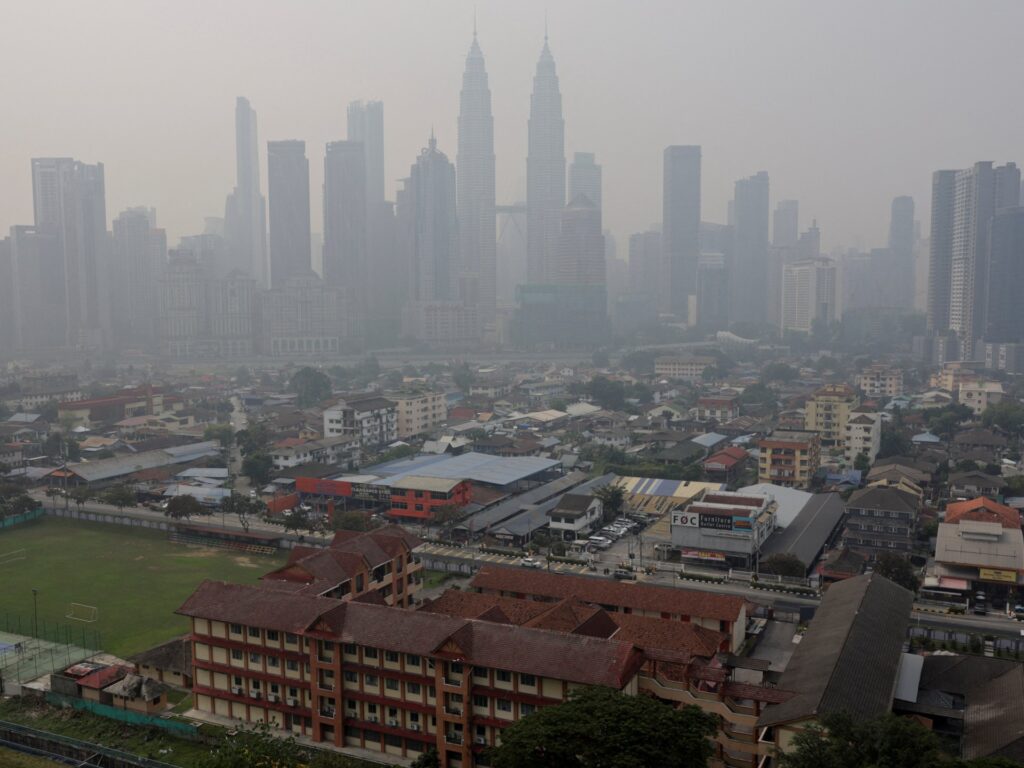
In a significant development affecting public health and daily life in Malaysia, authorities have decided to shut down schools amidst worsening air pollution caused by haze drifting from forest fires in Indonesia. Kuala Lumpur’s Air Pollutant Index (API) recently recorded air quality at unhealthy levels, prompting concern among officials and the public alike.
The haze is primarily attributed to extensive forest and peatland fires in Indonesia, a recurring environmental issue in Southeast Asia that typically worsens during the dry season. These fires produce thick smoke that can travel across borders, severely impacting air quality in neighboring countries, with Malaysia currently experiencing the brunt of this transboundary pollution.
Health experts warn that prolonged exposure to such poor air quality poses serious health risks, particularly to vulnerable groups such as children, the elderly, and those with respiratory conditions like asthma. Symptoms linked to haze exposure include coughing, throat irritation, difficulty breathing, and eye irritation. The unhealthy API readings in Kuala Lumpur have led authorities to take precautionary measures to protect population health.
As a direct response, Malaysian school authorities have ordered the temporary closure of schools in both urban and rural areas affected by the haze. The move aims to reduce outdoor exposure among students, teachers, and staff and mitigate the adverse health effects of the heavy smog.
Public health advisories now recommend residents to minimize outdoor activities, especially during peak haze episodes. Wearing protective masks such as N95 respirators, keeping windows closed, and using air purifiers indoors are strongly encouraged to help reduce inhalation of harmful pollutants.
Malaysian officials have also called on the Indonesian government to intensify efforts to extinguish the fires and prevent future outbreaks. Regional cooperation is essential to addressing the root cause of the haze and safeguarding the health and well-being of millions across Southeast Asia.
The haze crisis has also sparked conversations on sustainable land management practices, as many fires are started intentionally to clear land for agriculture, including palm oil plantations. Environmental groups urge reforms to agricultural practices and stronger enforcement of laws preventing illegal burning.
Economic sectors such as tourism and aviation are also affected by the persistent haze, with reduced visibility impacting flights and deterring tourists from visiting popular destinations. The government is monitoring the situation closely and is prepared to implement further measures should the air quality deteriorate further.
Meanwhile, communities and non-governmental organizations are banding together to raise awareness about the haze’s health impacts and advocate for cleaner air. Social media campaigns and public events aim to educate citizens on protection measures and the environmental importance of preventing forest fires.
In conclusion, the current haze crisis is a pressing environmental and public health challenge for Malaysia and the broader region. School closures reflect the severity of the situation and highlight the urgent need for coordinated action to mitigate haze impacts and prevent future occurrences. It remains critical for governments, industries, and communities to collaborate on long-term solutions to ensure clean air and safeguard public health for all Southeast Asians.