The prefectural assembly of Japan’s Okinawa has officially called for a review of the security agreement with the United States following a recent incident where a US Marine was arrested in connection with a killing. Okinawa, home to tens of thousands of US military personnel, has long been a focal point of tension regarding the American military presence. The recent event has reignited calls for changes to the bilateral agreement that governs the US military’s operations and jurisdiction on the island.
Okinawa hosts a significant portion of the US forces stationed in Japan, making it strategically important yet frequently contested by local communities. Residents have often expressed concerns about the impact of the military bases on their safety, environment, and daily lives. The latest incident, involving a violent act allegedly committed by a US Marine, has intensified unrest and dissatisfaction among Okinawans.
The prefectural assembly’s resolution urges both the Japanese central government and the United States to reexamine the Status of Forces Agreement (SOFA), which outlines legal protections and responsibilities for US military personnel in Japan. Locals argue that the current terms disadvantage Okinawan citizens, especially in cases involving criminal acts by service members.
Historically, Okinawa’s unique experiences under US military presence have fueled longstanding debates on sovereignty, justice, and community welfare. The assembly’s call comes amid growing national and international scrutiny of military conduct and the geopolitical implications of the US-Japan security alliance.
Supporters of maintaining the status quo emphasize the strategic importance of the US bases for regional security and deterrence, especially given rising tensions in East Asia. However, opponents insist that reforms must prioritize residents’ rights and safety, ensuring accountability and equitable treatment under law.
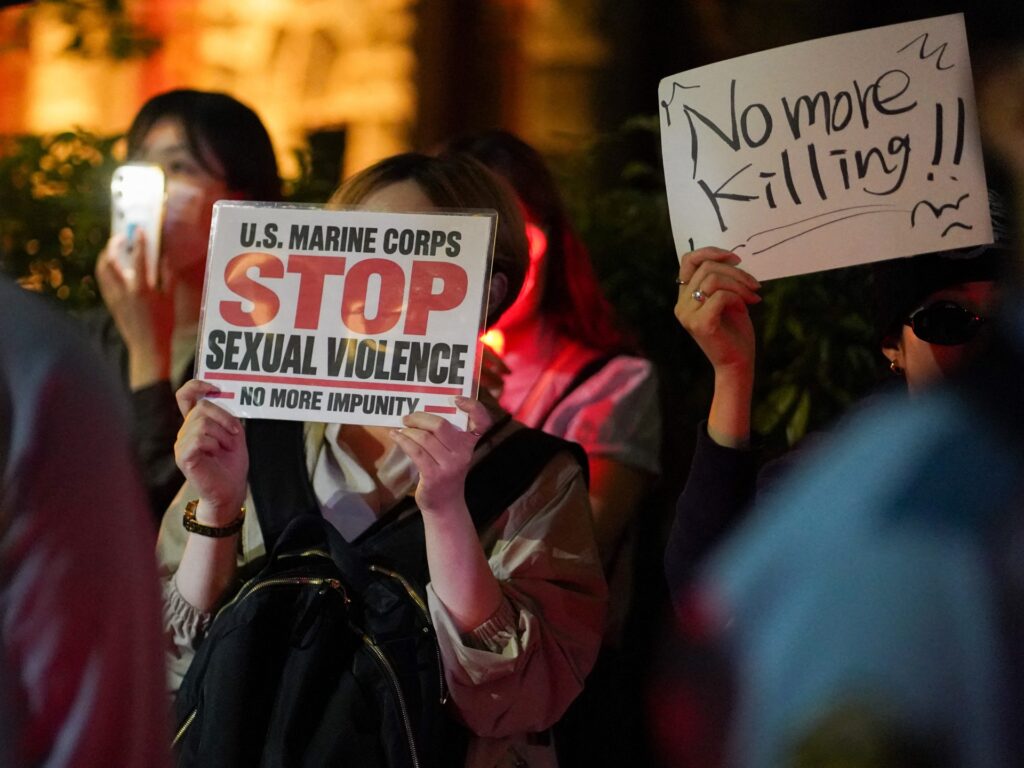
The arrested Marine’s case has become a catalyst highlighting broader systemic issues within the US military presence on Okinawa, sparking demonstrations and public discourse about future policies. The prefectural assembly’s insistence on reviewing the pact represents a pivotal moment in Japan-US relations, particularly around military cooperation and local community impact.
As discussions proceed, both governments face pressure to balance security imperatives with respect for Okinawan sovereignty and human rights. The outcome of this review could set a precedent for how US forces operate abroad and interact with host nations in the future.
In conclusion, the Okinawa assembly’s demand for revisiting the pact after the Marine’s arrest underscores the complex challenges embedded in host-nation agreements. It reflects a persistent need to reconcile strategic military interests with the well-being and justice for local populations living alongside foreign troops. The developments in Okinawa will likely influence ongoing debates about military base arrangements in Japan and globally.