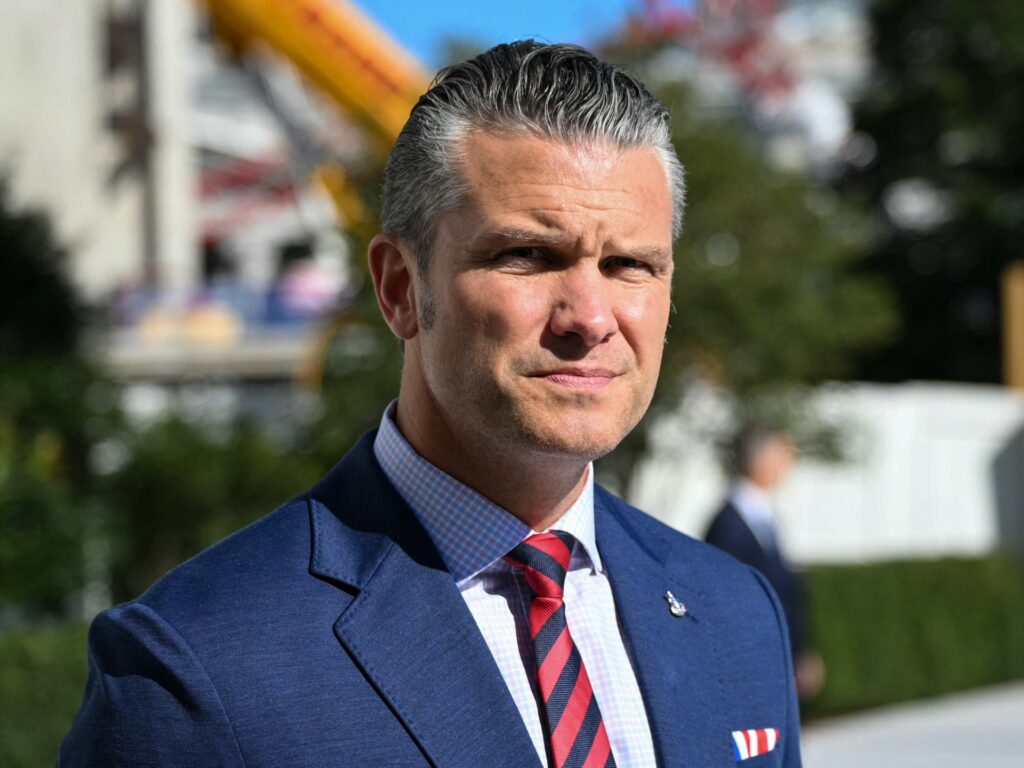
In a controversial development, Hegseth has stated that the execution of former US Army Major Nidal Hasan, the Fort Hood shooter, should be conducted by firing squad and be made public. An official at the Pentagon has reportedly informed Al Jazeera that Hasan’s execution would be livestreamed. This proposal has sparked significant debate on the ethics and legality of public executions and the use of the firing squad as a method of capital punishment. Hasan, convicted for the deadly shooting at Fort Hood, has been on death row, with his execution drawing high public and media attention. The suggestion to livestream the execution aims to provide transparency and allow public witnessing of justice being served. However, opponents argue that public executions can be inhumane and sensationalize violence, potentially causing psychological harm to viewers and disrespecting human dignity. The discussion also touches on broader issues of military justice, capital punishment methods, and the balance between justice and human rights. The Pentagon’s confirmation of the livestream underscores the government’s intent to carry out the sentence in a manner accessible to the public, a move that is seen by some as a deterrent to similar acts of violence. This decision is expected to reignite debates on the death penalty, its implementation, and the evolving standards of punishment in the United States. As the date of the execution approaches, public opinion remains deeply divided, with supporters emphasizing justice for victims and critics highlighting ethical concerns. The case of Nidal Hasan continues to be a focal point for discussions on justice, security, and the role of media in high-profile legal proceedings.