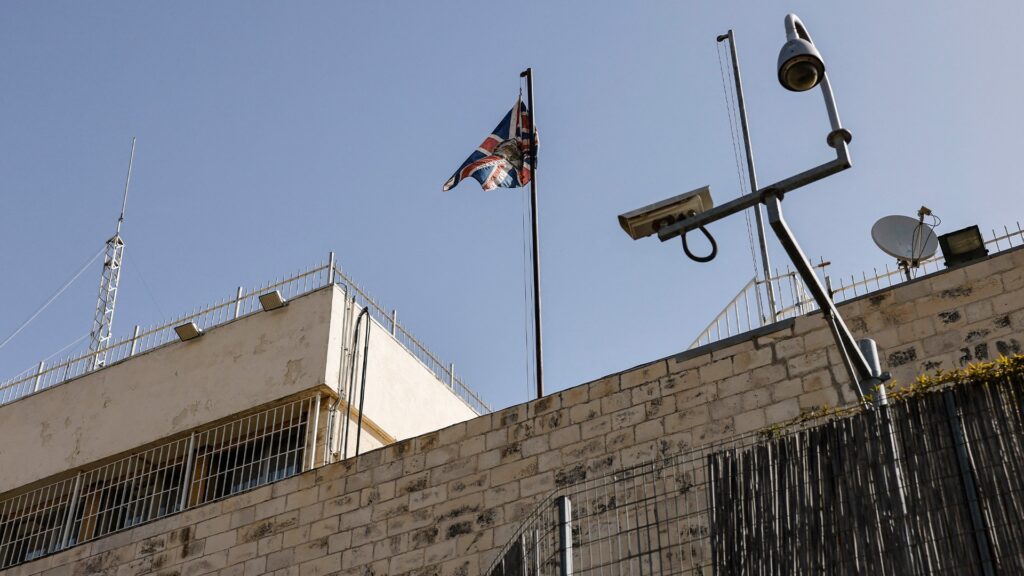
In a significant diplomatic move, Israel has shut down the British consulate located in the occupied East Jerusalem, prompting a strong response from the British government. The consulate had operated for years serving as the United Kingdom’s diplomatic mission to Palestinians in East Jerusalem and the West Bank. The closure highlights ongoing tensions surrounding the status of East Jerusalem, which remains a focal point of dispute in the Israeli-Palestinian conflict.
The British government has expressed firm opposition to Israel’s decision. Despite the removal of the physical consulate, the UK has committed to maintaining its diplomatic presence in the area and continuing its support to the Palestinian people. This includes continuing to engage in diplomatic efforts and providing assistance where possible.
East Jerusalem has been under Israeli control since the 1967 Six-Day War, but its status remains internationally contested, with most countries considering it occupied territory. The closure of the consulate is viewed by many as part of Israel’s broader efforts to assert sovereignty over East Jerusalem, which Palestinians claim as the capital of a future state.
The British consulate in East Jerusalem was unique in its role, distinctly separate from the British Embassy in Tel Aviv, emphasizing the UK’s recognition of the complex political realities on the ground. By shutting down the consulate, Israel is seen as minimizing the diplomatic distinction it provided, a move that has drawn criticism from diplomats and international observers alike.
British officials have reiterated their position that any unilateral actions affecting East Jerusalem risk undermining prospects for peace and violate international law. The UK continues to advocate for a negotiated two-state solution, with East Jerusalem serving as the capital of a Palestinian state.
The closure has sparked strong reactions from Palestinian leaders, who condemned Israel’s actions as an infringement on diplomatic rights and a setback for peace efforts. Local residents expressed concern that the shutdown might lead to reduced international oversight and aid in the area.
United Nations officials also voiced worry, emphasizing the importance of maintaining international diplomatic presences in conflict zones to promote stability and dialogue. The shutdown is seen as a potential escalatory act, risking increased tensions in an already volatile region.
The move could impact not only British-Palestinian relations but also the broader diplomatic landscape in the Middle East. Analysts suggest that it may signal a shift in Israeli policy aimed at consolidating control over disputed territories.
Despite the consulate’s closure, the British government has assured that its commitment to human rights and international law remains unwavering. The UK will continue to work with international partners to address the humanitarian and political challenges arising from the conflict.
This development comes at a crucial time when renewed diplomatic efforts are essential to revive peace talks. As such, the international community is closely monitoring the situation, urging restraint and dialogue among all parties involved.
In conclusion, the closure of the British consulate in East Jerusalem by Israel marks a significant and controversial episode in the ongoing Israeli-Palestinian conflict. While it showcases Israel’s intention to exercise its control over East Jerusalem, it simultaneously underscores the persistent international disagreements regarding the status of the city. The United Kingdom remains determined to uphold its diplomatic mission and advocate for a peaceful resolution that respects the rights and aspirations of both Israelis and Palestinians.