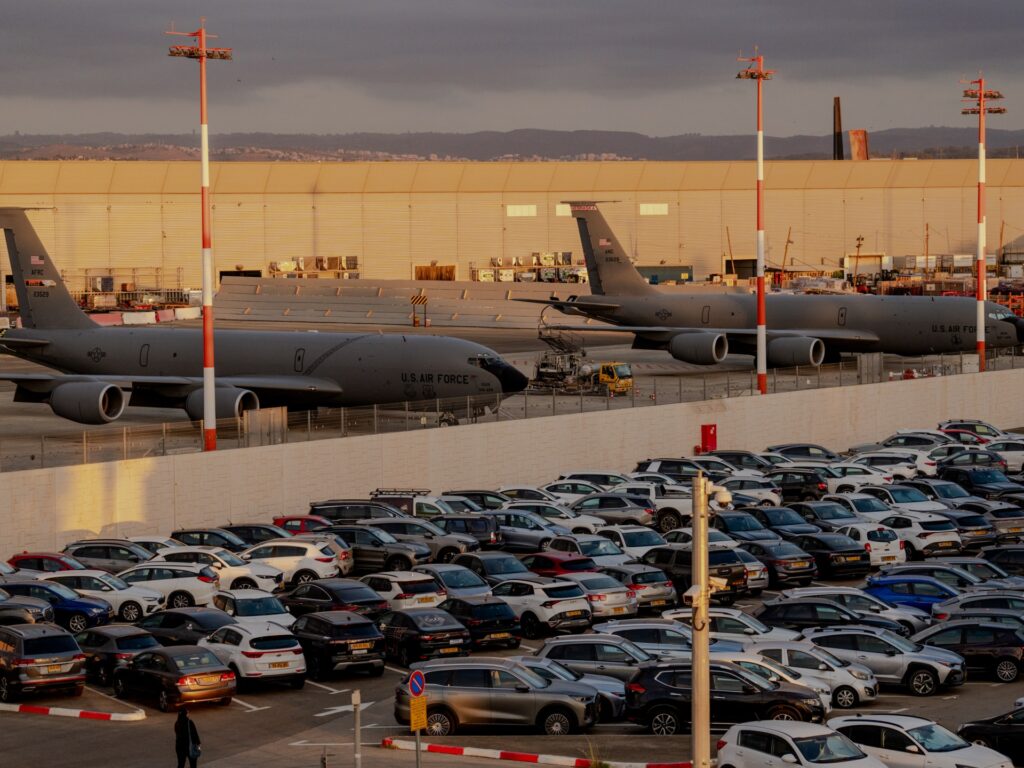
A recent report from the Congressional Budget Office (CBO) has revealed that at least 81 US aircraft, valued at up to $3.3 billion, have been either lost or damaged during the ongoing conflict involving Iran. This substantial loss highlights the severe material costs of the war, adding to growing criticism of former President Trump’s handling of the conflict and its expenses.
The report details that these losses encompass various types of aircraft, reflecting the intense and sustained nature of the military engagements in the region. The damage to assets represents not only a significant financial burden but also strategic setbacks for US military operations.
Critics argue that the high cost in both equipment and lives necessitates a reassessment of US military involvement and strategy in the Middle East. The financial toll exemplified by these aircraft losses raises questions about the sustainability and overall effectiveness of prolonged military engagement in Iran.
The conflict’s impact stretches beyond just equipment losses, affecting diplomatic relations, regional stability, and global perceptions of US foreign policy. Military analysts caution that the continuing attrition of vital assets could hamper operational capabilities and lead to broader consequences for US interests abroad.
Former President Trump’s administration has faced scrutiny over the war’s management, with calls from both political opponents and independent experts for greater transparency and accountability regarding expenditures and strategic decisions.
In the context of the Congressional Budget Office’s findings, lawmakers may push for increased oversight and possibly a reevaluation of the US military’s role in the region. The report serves as a stark reminder of the tangible costs of war, underscoring the need for informed policy decisions moving forward.
As the situation develops, the US government is likely to face intensified pressure to address the financial and human costs associated with the conflict. The long-term implications of these losses will play a critical role in shaping future US defense strategies and diplomatic efforts in the Middle East.
This latest revelation about aircraft losses and damage not only highlights the immediate consequences of the war but also prompts a broader discussion on the effectiveness and desirability of ongoing military actions in Iran. The debate over resource allocation, military priorities, and strategic objectives remains as urgent as ever.
In summary, the Congressional Budget Office’s report casts a spotlight on the significant material costs of the Iran conflict, emphasizing the need for a careful reconsideration of US military engagement in the region amid increasing domestic and international criticism.