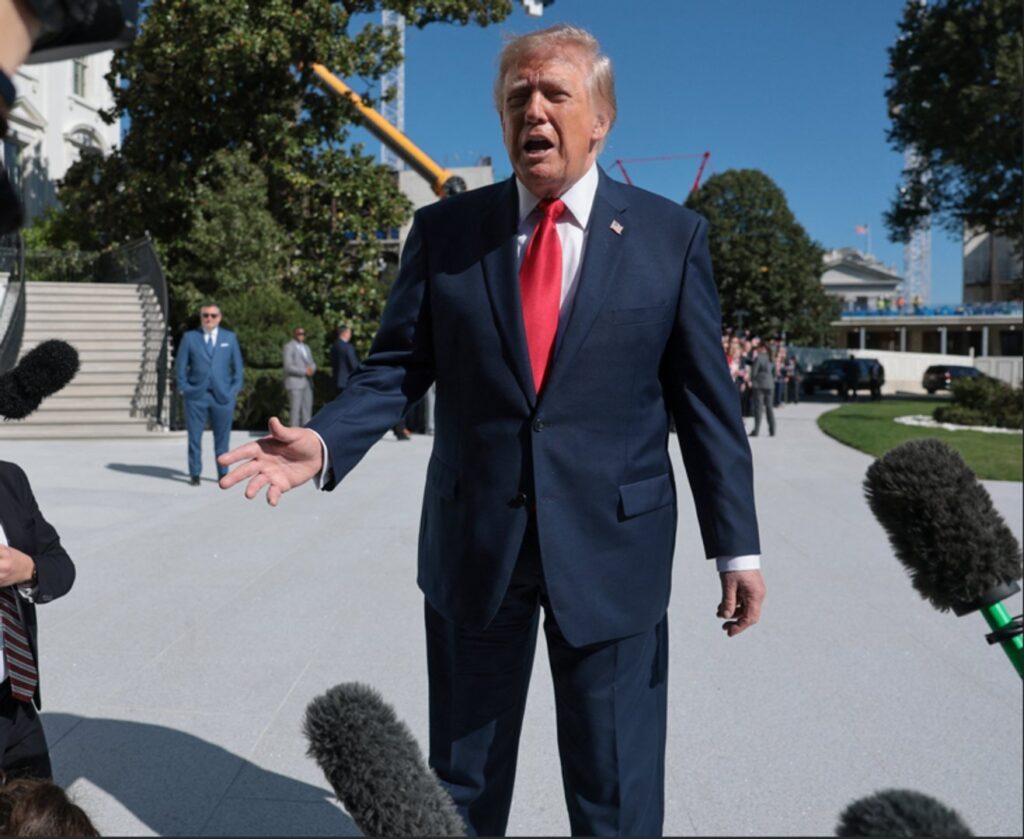
US President Donald Trump recently voiced his opinion on why he believes he deserves the Nobel Peace Prize. Trump stated that it would be a ‘great discredit’ to the Nobel Peace Prize committee if they did not award him the prize, implying his significant achievements in fostering peace. This bold assertion comes amid ongoing debates about his administration’s foreign policies and efforts to negotiate peace deals, such as those in the Middle East. Trump’s claim reflects his confidence in his diplomatic efforts, particularly the Abraham Accords, which normalized relations between Israel and several Arab nations. Additionally, Trump’s engagement with North Korea, including historic summits with Kim Jong-un, has been touted by his supporters as groundbreaking steps toward denuclearization and peace on the Korean Peninsula. Critics, however, have expressed skepticism about the long-term impacts of these deals and questioned the timing and intent behind his Nobel Peace Prize candidacy. Nonetheless, Trump maintains that his accomplishments in international diplomacy merit recognition by the esteemed Nobel committee. The President’s comments highlight the political dimension often inherent in discussions surrounding the Nobel Peace Prize, which has historically sparked controversy depending on recipients and context. As Trump’s term continues, opinions remain divided on whether his peace initiatives will ultimately reshape global diplomacy or be seen as transient political maneuvers. The Nobel Peace Prize committee has not yet responded to Trump’s assertions, leaving the public and political analysts to await their decision. Trump’s remarks have added a new layer to the ongoing narrative about his foreign policy legacy and the complex criteria behind one of the world’s most prestigious awards.