In a significant development amidst political turmoil, Justina Shiroka Pula has been elected as the new president of Kosovo. Her ascension to the presidency comes during a period marked by widespread protests and a deep-seated crisis within the country’s political landscape.
Justina Shiroka Pula is an academic and former minister, known for her expertise and moderate stance, qualities that contributed to her being a compromise candidate acceptable to various factions within Kosovo’s parliament. Her background in academia and previous ministerial role have equipped her with a comprehensive understanding of Kosovo’s socio-political challenges.
The election of Pula was not a straightforward process. It occurred amidst intense debates and disagreements among political parties, reflecting the polarized state of Kosovo’s political environment. Parliament’s decision to vote her in signifies a strategic move aimed at stabilizing governance and bridging divides in the country.
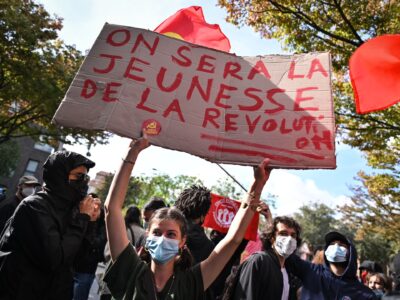
Pula’s presidency is expected to focus on addressing the crises that have sparked public unrest and protests across Kosovo. The nature of these protests highlights citizens’ concerns about governance, transparency, economic conditions, and national unity.
As a compromise choice, Pula represents an effort to reconcile opposing views and foster cooperation among different political groups. Her leadership style, shaped by years in education and public service, suggests a pragmatic approach to governance, prioritizing dialogue and consensus-building.
This transition in leadership comes at a critical juncture for Kosovo, which has faced challenges in its quest for international recognition and political stability. Pula’s role as president carries the weight of expectations from both domestic and international observers eager to see progress and reform.
Moreover, the political crisis that framed her election underscores the fragility of Kosovo’s democratic institutions and the urgent need for reforms. Pula’s administration will need to address not only immediate political tensions but also the underlying issues that have caused division and unrest.
The election process and its aftermath have been closely watched, as the political dynamics within Kosovo have wider implications for the Balkan region. Stability in Kosovo is crucial for regional peace and cooperation, making Pula’s presidency a focal point for future diplomatic engagements.
In conclusion, Justina Shiroka Pula’s election as president during a crisis symbolizes a pivotal moment for Kosovo. It embodies hopes for stabilization and a more unified political path forward. As Kosovo navigates its complex political environment, the new president’s leadership will be a key factor in shaping the country’s future trajectory.