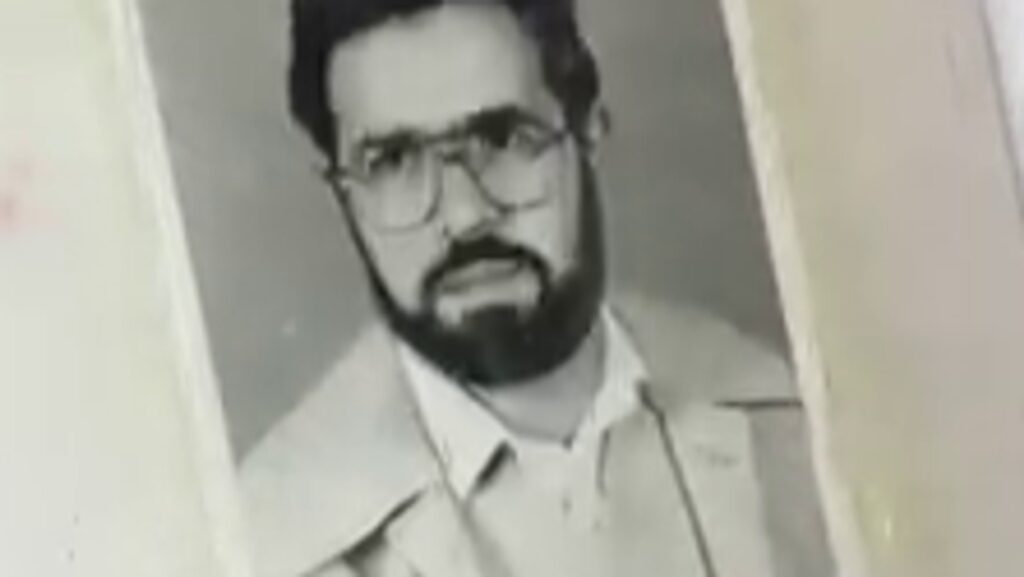
In a remarkable gesture symbolizing reconciliation and historical reflection, the Syrian embassy in Berlin has returned a passport that was seized 43 years ago by the former Assad government. This unique event sheds light on a long-forgotten chapter of Syrian history and the personal stories affected by the political regime.
The passport belonged to a Syrian citizen whose travel documents were confiscated during a turbulent period in Syria’s history under the rule of the Assad government. At that time, many individuals faced strict controls, and passports were often taken as a means of restricting freedom of movement and suppressing dissent.
Returning the passport after more than four decades highlights the ongoing changes and attempts at addressing historical grievances on the part of the Syrian government. The act took place at the Syrian embassy in Berlin, where officials formally handed back the document to the rightful owner or their descendants.
Embassies often play crucial roles in maintaining connections with nationals abroad, and in this instance, the Berlin embassy’s action serves as a meaningful step in restoring trust and acknowledging past hardships. The return of the passport is more than a bureaucratic procedure; it represents a symbolic gesture toward healing wounds inflicted by decades-old political repression.
This event has resonated profoundly with the Syrian diaspora and human rights advocates, who see it as a sign of potential progress in Syria’s complex political landscape. It’s also a reminder of the personal impact of political decisions and the ways history continues to influence present-day lives.
Experts note that the passport’s return might open doors to further conversations about reparations and justice for those affected during the Assad regime’s era. It encourages a dialogue about acknowledging past mistakes and promoting reconciliation in the broader Syrian society.
Moreover, for the individual whose passport was returned, this event likely holds significant emotional value, symbolizing a restoration of identity and recognition after decades of loss. It reflects the resilience of individuals who endured years of political turmoil and personal sacrifices.
In the international context, the embassy’s act may contribute positively to Syria’s diplomatic relations and its image abroad. It demonstrates a willingness to confront uncomfortable historical realities and take steps toward building a future where citizens’ rights are respected.
While this single event cannot erase the complex and often painful history of Syria under the former Assad government, it stands as a beacon of hope for change. It emphasizes the importance of remembering history, addressing past injustices, and working toward a peaceful and just society.
The story of the passport’s seizure and return also offers a powerful narrative about the enduring human spirit and the quest for dignity and justice. It reminds us that even small acts can have significant symbolic power in times of political transition and healing.
In conclusion, the Syrian embassy’s return of a seized passport after 43 years is a noteworthy development that resonates deeply with historical, political, and humanitarian dimensions. It highlights the potential for progress, reconciliation, and the ongoing struggle for human rights in Syria and beyond.