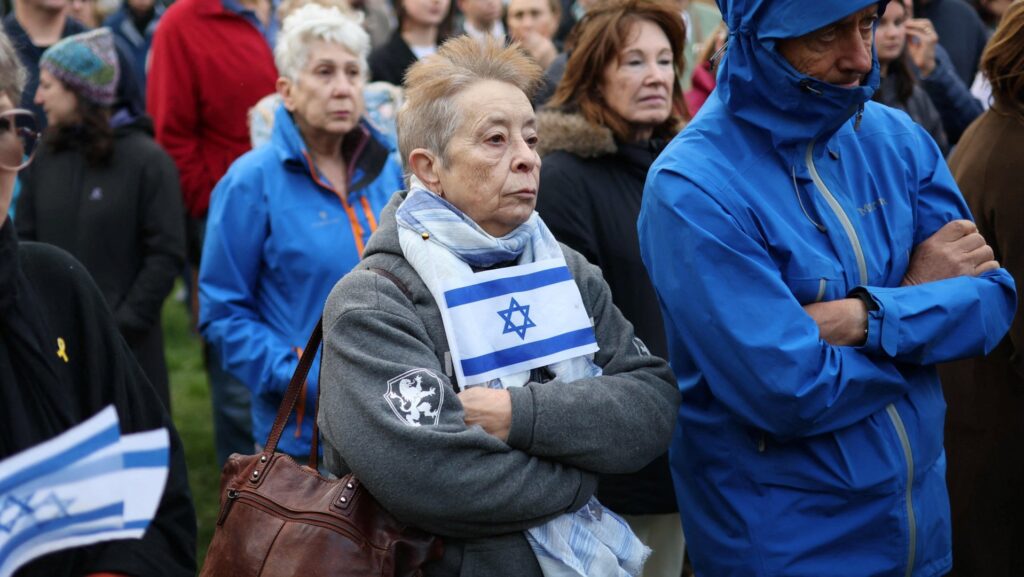
Three years after the October 7 attacks, Israeli society has experienced a significant political shift further towards the right. This transformation is rooted in multiple factors that have shaped public sentiments, electoral outcomes, and policy directions.
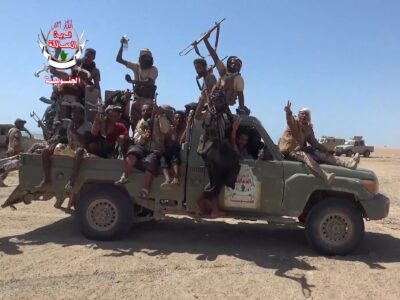
Firstly, security concerns remain paramount among Israelis. The traumatic experiences of the October 7 terrorist attacks deeply affected the collective consciousness, reinforcing a demand for stronger and more assertive leadership that prioritizes national defense and security measures. Many citizens perceive right-wing parties as better equipped to deal with ongoing threats from hostile groups and neighboring states.
Secondly, demographic changes and settlement expansion in contested areas have bolstered nationalist and right-wing ideologies. Growing communities in the West Bank and other territories argue for a more assertive stance on territorial issues, supporting policies that promote sovereignty and discourage compromises perceived as undermining Israeli security or identity.
The political leadership also plays a pivotal role. The right-wing bloc has effectively mobilized its base through nationalist rhetoric and promises to protect traditional values, counter what they see as external and internal threats, and advance policies that reinforce Israel’s Jewish character. This has resulted in electoral successes and consolidation of power in the Knesset, Israel’s parliament.
Additionally, weaknesses and fragmentation within centrist and left-wing factions have contributed to the ascendancy of right-wing politics. Internal disagreements, failure to present cohesive alternatives, and perceived disconnect from voter concerns have diminished the appeal of liberal platforms.
Moreover, international dynamics influence Israeli politics. Perceived or real shifts in global alliances, pressures from international bodies, and changes in U.S. foreign policy, which historically supports Israel, have caused segments of the population to seek stronger nationalist responses in governance.
Economic and social issues also intersect with political shifts. Some Israelis feel economic disparities and social changes are better addressed by right-wing parties emphasizing traditional social structures and values.
The media landscape and social media have amplified right-wing narratives, enabling mobilization and dissemination of political messages that resonate with nationalistic and security-focused themes.
In summary, Israel’s growing rightward political shift is the result of intensified security concerns following the October 7 attacks, demographic and settlement factors, effective right-wing leadership, weaknesses in opposition parties, international geopolitical influences, and socio-economic dynamics. This multifaceted change reflects evolving public attitudes and priorities, shaping Israel’s current political landscape and likely influencing its future direction.